• Following Us

  • Categories

  • Check out the Archives


  • Awards & Nominations

425. Kill Bill, Vol. 1 (#151)

Hosted by Andrew Quinn and Darren Mooney, this week with special guest Darcie Faccio, The 250 is a (mostly) weekly trip through some of the best (and worst) movies ever made, as voted for by Internet Movie Database Users. New episodes are released every second Saturday at 6pm GMT, with the occasional bonus episode between them.

This week, Quentin Tarantino’s Kill Bill, Vol. 1.

A brutal mass murder at a wedding in El Paso, Texas, leaves a sole survivor: an anonymous pregnant woman, a former assassin who tried to escape her life of murder and mayhem for something more tranquil and serene. However, her old life was not finished with her. Four years later, the would-be bride wakes up and embarks on a roaring rampage of revenge driven by a single objective. She is going to Kill Bill.

At time of recording, it was ranked 151st on the list of the best movies of all time on the Internet Movie Database.

Continue reading

New Escapist Column! On the Superhero Genre’s Existential Crisis…

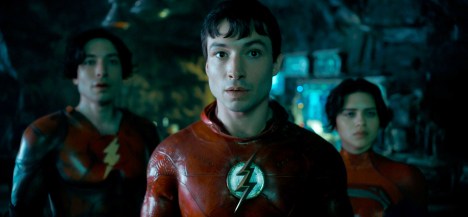
I published a new In the Frame piece at The Escapist this evening. With no major new releases this week, and with the recent release of both Secret Invasion and The Flash, it seemed like a good opportunity to take a look at the state of the modern superhero genre.

While there are ongoing debates about whether “superhero fatigue” has set in, these are largely besides the point. Watching contemporary superhero films, there is a palpable anxiety underpinning these blockbusters. Increasingly, these superhero films are about superhero films. In particular, they are movies and television shows that make an existential argument for their continued importance and necessity.

You can read the piece here, or click the picture below.

New Escapist Column! On the Unfulfilled Promise of “Into the Spider-Verse”…

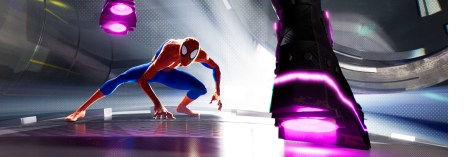
I published a new piece at The Escapist this evening. With the premiere of Spider-Man: Across the Spider-Verse, it seemed like a good opportunity to consider the legacy of Spider-Man: Into the Spider-Verse five years after it was originally released.

The influence of Into the Spider-Verse can be keenly felt on animated films like The Bad Guys and Puss in Boots: The Last Wish. However, it’s strange that the movie has had no real impact on comic book adaptations. Despite early adventurous comic book adaptations like Hulk, Sin City or Scott Pilgrim vs. the World, the modern comic book blockbuster has demonstrated a lack of visual experimentation that feels very much like a betrayal of the source material. What’s the point in making a comic book movie if it can’t be as visually inventive?

You can read the piece here, or click the picture below.

New Escapist Video! On Phase 4 as Marvel’s Midlife Crisis…

We’re thrilled to be launching a fortnightly video companion piece to In the Frame at The Escapist. The video will typically launch every second Monday, and be released on the magazine’s YouTube channel. And the video will typically be separate from the written content. This is kinda cool, because we’re helping relaunch the magazine’s film content – so if you can throw a subscription our way, it would mean a lot.

This week, with the recent launch of Ant-Man and the Wasp: Quantumania, we took a look back at Marvel’s Phase 4, trying to make sense of one of the shared universe’s most disjointed and uneven phases.

New Escapist Column! On Netflix’s Password-Sharing Clampdown…

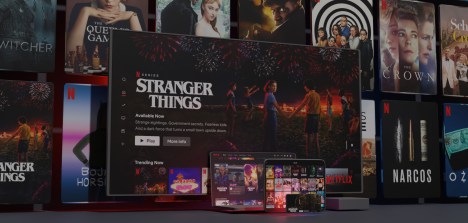
I published a new In the Frame piece at The Escapist this week. This week saw some controversy with Netflix announcing – and then swiftly walking back – plans to cut down on password-sharing among users.

This gets at something fascinating about the challenges facing the company going forward in an attempt to maximise profitability. The urge to monetise shared accounts makes sense, but it also risks alienating users at a time when the company is trying to transition into a more traditional ad-supported model. Cutting off access to Netflix for users – especially the younger users disporportionate affected by such a clampdown – would be a very risky move for the company.

You can read the piece here, or click the picture below.

New Escapist Video! On Why Television is Perhaps the Perfect Mode of Adaptation for Video Games…

We’re thrilled to be launching a fortnightly video companion piece to In the Frame at The Escapist. The video will typically launch every second Monday, and be released on the magazine’s YouTube channel. And the video will typically be separate from the written content. This is kinda cool, because we’re helping relaunch the magazine’s film content – so if you can throw a subscription our way, it would mean a lot.

This week, with The Last of Us continuing on television, we took a look at the show as one of the most successful video game adaptations to date. In particular, after decades of trying and failing to translate video games to the big screen, does The Last of Us suggest that the smaller screen is the perfect place for them?

319. Whiplash (#42)

Hosted by Andrew Quinn and Darren Mooney, this week joined by special guest Richard Drumm, The 250 is a (mostly) weekly trip through some of the best (and worst) movies ever made, as voted for by Internet Movie Database Users. New episodes are released every second Saturday at 6pm GMT, with the occasional bonus episode between them.

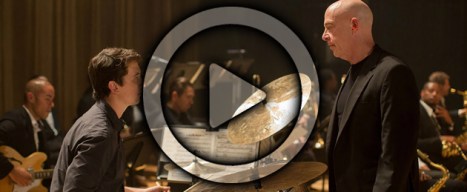
This time, Damian Chazelle’s Whiplash.

Andrew Neiman is a young music student at the prestigious Shaffer Conservatory in New York City. A jazz drummer, Andrew dreams of great things, of becoming a legend like Miles Davis or John Coltrane. However, he falls under the influence of band leader Terence Fletcher. Fletcher sees potential in Andrew, and draws the young musician into his orbit. The two find themselves trapped in a toxic push-and-pull relationship, with the stakes escalating quickly.

At time of recording, it was ranked 42nd on the list of the best movies of all time on the Internet Movie Database.

Continue reading

New Escapist Column! On “The Witcher: Blood Origin”, and What Happens When Television Becomes a Six-Hour Movie…

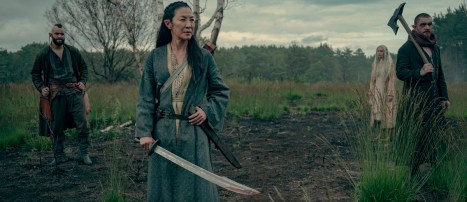
I published a new piece at The Escapist this week. With the release of The Witcher: Blood Origin on Netflix, it seemed like a good time to discuss an unsettling trend in modern television: the idea that modern shows are really just super-extended movies, and the consequences of that.

Blood Origin demonstrates what happens when a studio treats a television show like a movie. The series was written and filmed as six episodes, but was horrible cut down in the editting bay. Two whole episodes were stripped out of the show, leaving it incoherent and nonsensical. In many ways, this was exactly what happened with Joss Whedon’s cut of Justice League, which was similarly cut down to have a runtime of under two hours. If television shows are just films now, they are subject to the same sort of meddling.

You can read the piece here, or click the picture below.

New Irish Independent Column! On “Willow” and Disney’s Fantasy Pitch…

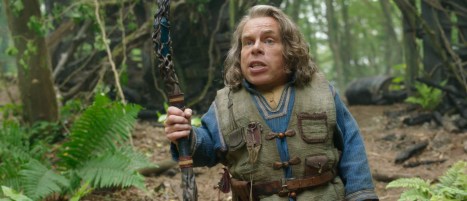
I published a new piece at The Irish Independent this evening. With the release of Willow on Disney+ this week, it seemed like a good opportunity to take a look at what the show means for the Disney brand, and why it is so important to the company going forward.

The past couple of decades have seen an explosion in fantasy film and television: Harry Potter, Lord of the Rings, Game of Thrones. However, studios have quickly discovered that audiences aren’t necessarily enthusiastically engaged with fantasy, struggling to connect with the genres. Studios like Disney have invested millions trying to tap into that audience, with numerous high-profile failures. Willow represents the latest attempt by Disney to craft a live action fantasy universe with a built-in fanbase, and the company is using the same playbook that it did with Star Wars.

You can read the piece here, or click the picture below.

New Escapist Column! On “Better Call Saul”, “Andor” and Slow-Burn Classics…

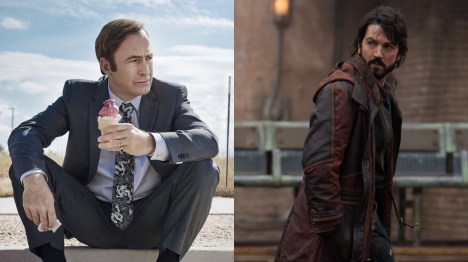
I published a new piece at The Escapist earlier this week. As Andor winds down its first season, garnering rave reviews but not attracting as strong an audience as its predecessors, comparisons come to mind concerning Better Call Saul, which has quietly become one of the best television shows of the decade despite never reaching the same level of popularity as its predecessor.

What do Better Call Saul and Andor have in common? What is it that makes both shows so compelling, but which also makes them a tougher sell to audiences than what came before? Are they both just out of step with the zeitgeist, reflecting a mode of television production that doesn’t have the same cultural cachet that it once did? And, most importantly, does any of that matter if they are both creative triumphs? It’s interesting to explore and unpack.

You can read the piece here, or click the picture below.