












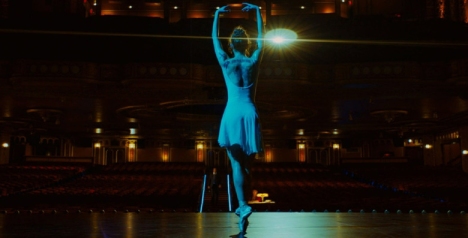
I published a new In the Frame piece at The Escapist this evening. With the upcoming release of John Wick: Chapter 4, it seemed like a good opportunity to take a look back at the action franchise.
In modern Hollywood, the John Wick movies stand out from a lot of their competitors by embracing a very practical and material philosophy, leaning heavily on in-camera effects for maximum impact. However, the films are more than just a showcase for stuntwork as one of the industry’s most undervalued artforms. They are also an argument for stunt work as an artform unto itself, particularly in the way that they emphasis the importance of action as a means of storytelling and the way in which they frequently place their stunts in the context of more broadly-accepted forms of artistic expression.
You can read the piece here, or click the picture below.
Filed under: Movies | Tagged: art, ballerina, ballet, buster keaton, charlie chaplin, history, hollywood, in the frame, john wick, Keanu Reeves, Performers, silent cinema, stunts, stuntwork, the escapist | Leave a comment »




 the m0vie blog
433. City Lights (#54)
Hosted by Andrew Quinn and Darren Mooney, with week with special guest Síomha McQuinn, The 250 is a weekly trip through some of the best (and worst) movies ever made, as voted for by Internet Movie Database Users.
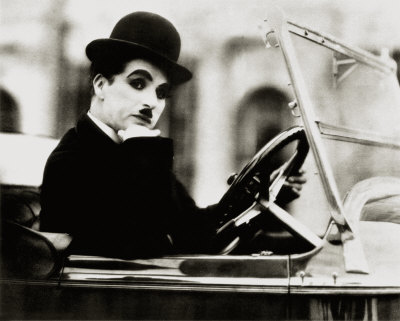
This week, Charlie Chaplin’s City Lights.
In a city, a tramp has a series of unlikely encounters with an eccentric millionaire and a blind flower girl that set in motion a series of bizarre and unlikely adventures.
At time of recording, it was ranked 54th on the list of the best movies of all time on the Internet Movie Database.
Continue reading →
Filed under: The 250 | Tagged: blind flower girl, charlie chaplin, cinematic history, city, City Lights, early cinema, episodic structure, filmmaking influence, Great Depression, Humor, imdb, new york, podcast, production, síomha mcquinn, silent cinema, silent film, social commentary, Tramp | Leave a comment »