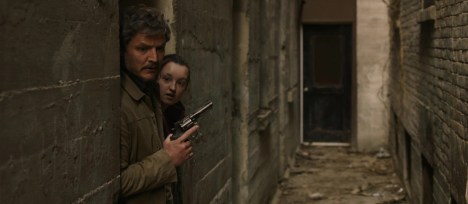
I am doing weekly reviews of The Last of Us at The Escapist. They’ll be dropping every Sunday evening while the show is on, looking at the video game adaptation as the show progresses. This week, the show’s fourth episode.
The third episode of The Last of Us was a highlight of contemporary television, one of the best episodes of television produced in recent memory. The fourth episode is nowhere near as transcendent, but suggests that the show has found something resembling a groove. The fourth episode is a lot of what might be described as “shoe leather.” It’s largely dedicated to set-up and world-building. However, it also feels much more assured and comfortable in its own skin.
You can read the piece here, or click the picture below.
We’re thrilled to be launching a fortnightly video companion piece to In the Frame at The Escapist. The video will typically launch every second Monday, and be released on the magazine’s YouTube channel. And the video will typically be separate from the written content. This is kinda cool, because we’re helping relaunch the magazine’s film content – so if you can throw a subscription our way, it would mean a lot.
This week, with The Last of Us continuing on television, we took a look at the show as one of the most successful video game adaptations to date. In particular, after decades of trying and failing to translate video games to the big screen, does The Last of Us suggest that the smaller screen is the perfect place for them?
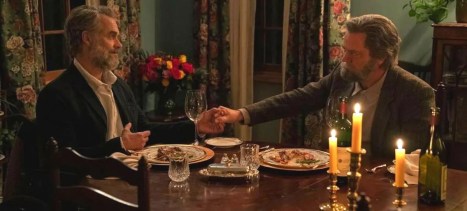
I published a new In the Frame piece at The Escapist this evening. This week saw the broadcast of Long Long Time, a spectacular episode of The Last of Us. While the episode was almost universally praise, there was some criticism that it was “filler.”
This is an interesting argument, in what it reveals about modern pop culture and what it misses about the art of storytelling. Long Long Time is thematically essential to The Last of Us. It’s an episode that establishes the actual meaningful stakes of the story, beyond the plot mechanics that spur the narrative forward. It’s easy to miss in an era where spoilers are considered a huge issue, where media is designed to be consumed at multiples of its intended speed, and where recap culture has reduced storytelling to lists of plot points. Nevertheless, it’s important.
You can read the piece here, or click the picture below.
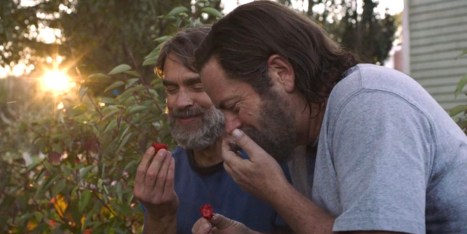
I am doing weekly reviews of The Last of Us at The Escapist. They’ll be dropping every Sunday evening while the show is on, looking at the video game adaptation as the show progresses. This week, the show’s third episode.
The first two episodes of The Last of Us were pretty good, doing a lot of worldbuilding and rule-setting for the series, while also working hard to court fans of the games with very knowing and loving recreations of key sequences and dynamics. However, the show really came into its own in its third episode, Long Long Time. Taking a break away from its central characters, The Last of Us played out a beautiful love story that effectively sets up the show’s emotional stakes.
You can read the piece here, or click the picture below.
I published a new piece at The Escapist during the week. With the recent release of the first four episodes of Poker Face on Peacock, it seemed like a good opportunity to discuss the show’s central thematic and narrative preoccupations: the importance of both empathy and action in response to injustice.
Poker Face exists as part of Rian Johnson’s filmography, and is an obvious companion piece to Knives Out and Glass Onion. However, it fits alongside those stories in more than just its genre. Johnson is a filmmaker fascinated by the power of empathy, and the importance of understanding other human beings on a personal level. Poker Face is the story of a character so good at listening that she can instinctively spot a lie. However, in this world, empathy is not enough of itself. Poker Face is a show about the need for action in support of empathy.
You can read the piece here, or click the picture below.
I published a new piece at The Escapist during the week. With the recent release of the first four episodes of Poker Face on Peacock, it seemed like a good opportunity to consider the show as a rare example of high-profile and prestigious episodic television.
For decades, episodic storytelling was the default model for American television. Around the millennium, mainstream shows started to shift toward serialisation, a trend accelerated by the arrival of streaming. Most modern prestige shows are heavily serialised, effectively telling a single narrative over the course of an entire season. Poker Face rejects this structure, embracing a “case of the week” format. However, the show is more than just an example of the potential of episodic storytelling. It’s very much an affirmative case for it.
You can read the piece here, or click the picture below.
I published a new piece at The Escapist this week. With the release of Poker Face on Peacock this week, I got to review the first six episodes of the show.
From director Rian Johnson and actor Natasha Lyonne, Poker Face is a love letter to seventies television. It’s obviously indebted to shows like Columbo or The Rockford Files, but it owes just as much to classic wandering hero narratives like Kung Fu and The Incredible Hulk. It’s a glorious and thrilling piece of television, that is both a love letter and an update to the medium’s rich history.
You can read the piece here, or click the picture below.
I am doing weekly reviews of The Last of Us at The Escapist. They’ll be dropping every Sunday evening while the show is on, looking at the video game adaptation as the show progresses. This week, the show’s second episode.
The Last of Us is an interesting piece of adaptation. It comes with a weight of expectation. There’s a sense in which the show needs to proves its adaptational bona fides to fans, by proving that it can faithfully adapt both the world and the internal logic of the source material. So the show’s second episode is an interesting fusion, a clear attempt to directly translate the experience of playing the source video game to a television series.
You can read the piece here, or click the picture below.
I published a new piece at The Escapist yesterday. With the recent release of That ’90s Show on streaming, it seemed like a good opportunity to delve into the show’s very interesting nostalgia.
Part of what is so fascinating about That ’90s Show is that layers of nostalgia that permeate it. It is not simply a show nostalgic for the nineties. It is a show that is itself nostalgic for the nostalgia of the nineties. It’s a conscious effort to resurrect the multi-camera sitcom, a classic institution of American television that has become something of a cultural artifact. It’s also a show that is less interested in its own nineties setting than it is in indirectly channelling the nostalgia that that show felt for the seventies. It’s a hall of mirrors.
You can read the piece here, or click the picture below.
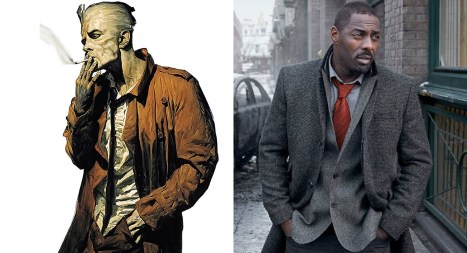
I published a new In the Frame piece at The Escapist this evening. With the looming release of Luther: The Fallen Sun, it seemed like a good opportunity to talk about the show. In particular, the interesting space that it occupies as a police procedural that arguably owes more to comic books than anything else.
Luther is a fascinating show. It is ostensibly something similiar to Law & Order or CSI, the story of a detective who works grim and sensationalist crimes to their conclusions. In practice, however, Luther is something altogether more heightened. It occasionally veers over into outright horror, and Luther himself often seems to face characters more like comic book supervillains than ordinary criminals. The result is fascinating, a show that arguably feels closer to a certain strand of comic book storytelling than any of the actual comic book shows out there.
You can read the piece here, or click the picture below.





















 the m0vie blog