• Following Us

  • Categories

  • Check out the Archives


  • Awards & Nominations

“No one trusts each other anymore.” Brian Michael Bendis’ “Avengers” and the War on Terror

One of the great things about long-running pop art, whether television shows, film franchises or comic books, is the sense in which they can serve as a reflection of shifting cultural concerns.

The Marvel Universe spans more than six decades of continuity. It is perhaps too much to call it a single story, even if comic book continuity is held together by that fiction. It is the work of countless writers and artists, working under different editorial regimes with different creative and commercial constraints. The visual language of the medium has shifted over decades, along with its target audience, not to mention its relationship with the mainstream culture.

Still, while monthly superhero comics are rarely considered high or important art, they are an interesting window into their particular cultural moment. These characters and archetypes are constantly changing and evolving, being reworked and recontextualised to fit the perpetual present. Rereading old comic books can feel like stepping inside a time machine, taking the reader back to not just a particular moment in comics continuity, but a funhouse mirror of the larger culture.

Brian Michael Bendis stewarded the Avengers titles for eight years, from 2004 to 2012. He managed the brand across multiple titles starting with Avengers Disassembled into New Avengers and Mighty Avengers, and through a host of epic status quo-altering events. Some of those events, like House of M, Secret Invasion and Siege, Bendis wrote himself. Other events, like Civil War, he simply tied into from the sidelines.

Still, that initial run of comics from Avengers Disassembled to Siege remains hugely important. Bendis restructured the Marvel Universe to place the Avengers franchise at its core, displacing the X-Men as the company’s flagship brand. Coinciding with the launch of Marvel Studios, that run is an obvious and ongoing touchstone for the Marvel Cinematic Universe, which has directly adapted segments of this run into films like Captain America: Civil War and shows like Secret Invasion.
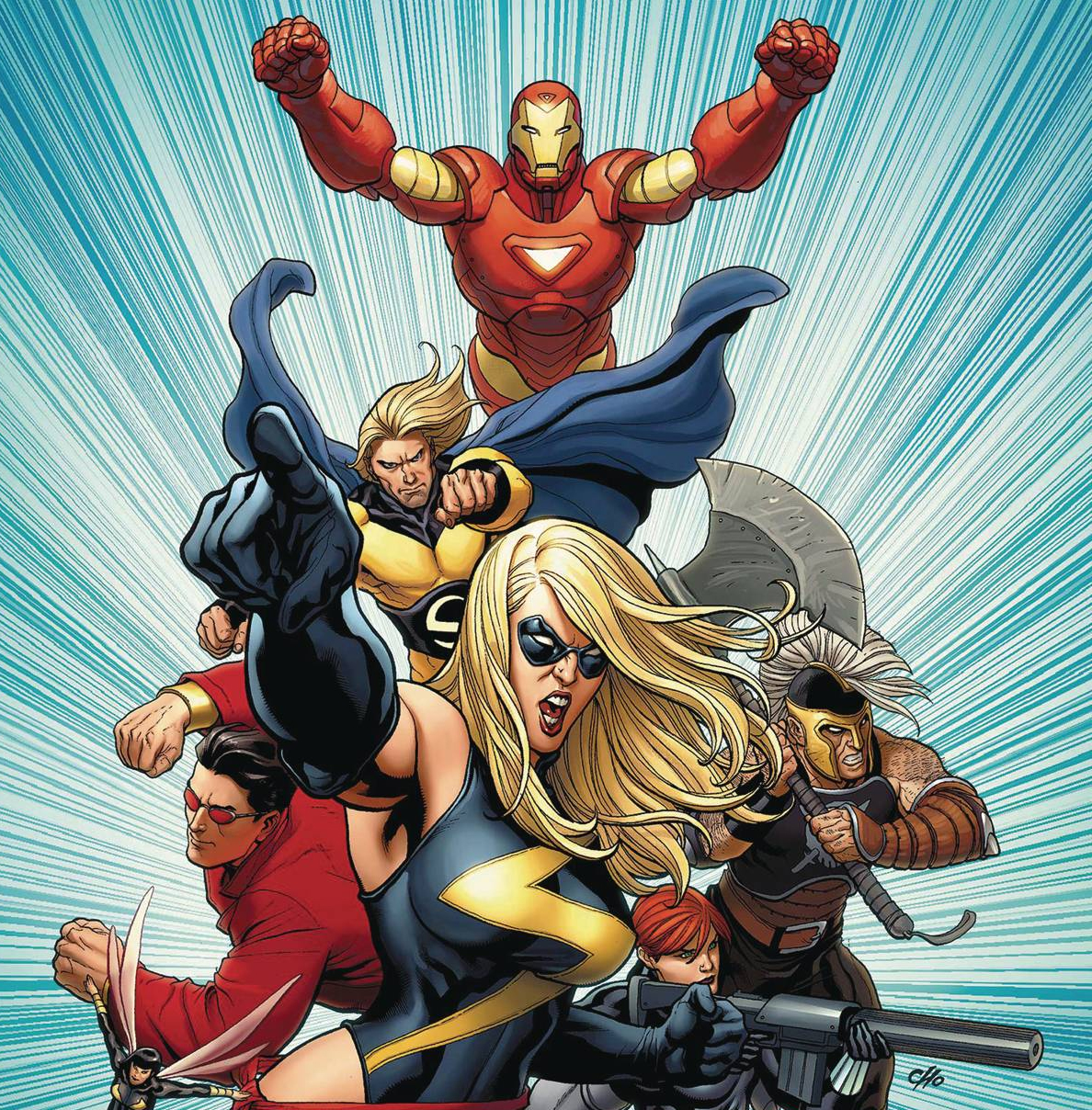
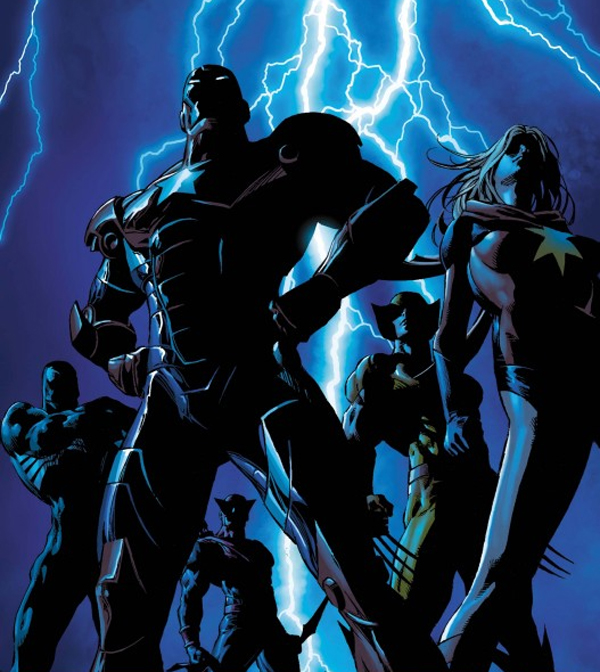
Even as the big crossover events like Avengers: Infinity War or Avengers: Secret Wars draw more heavily from the work of Bendis’ successor on the Avengers titles, Jonathan Hickman, Bendis’ Avengers remains a key influence. Thunderbolts*, for example, feels heavily indebted conceptually to Bendis’ Dark Avengers and even leans heavily on the character of Sentry, a continuity curiosity who became central to Bendis’ larger arcs.

However, even outside of its obvious cultural footprint, the remains one of the definitive explorations of the War on Terror in popular American culture, elevating the emotional and symbolic response to the 9/11 terrorist attacks into a sort of pop mythology, playing out the country’s psychodrama in costumes and capes. Bendis’ Avengers run is messy and uneven, occasionally downright clumsy in its execution. It is also a snapshot of a moment.
Continue reading

New Escapist Column! On “Transformers: Rise of the Beasts” and Boring Blockbuster Third Acts…

I published a new In the Frame piece at The Escapist this evening. With the release of Transformers: Rise of the Beasts, it seemed like as good a time as any to reflect on one of the blights on modern big-budget blockbusters: the bland computer-generated third act throwdown in a big empty space with no sense of geography or texture.

In recent years, it has become increasingly common for these sorts of spectacles to climax with a gigantic final battle in a vast computer-generated wasteland, with no defining features or landmarks, but instead just a big empty space with no sense of where objects are in relationship to one another. Rise of the Beasts is perhaps the most egregious example of the trend, but there are plenty of others: Shang-Chi and the Legend of the Ten Rings, Avengers: Endgame, Avengers: Infinity War, Black Panther. It’s a hollow, empty, cardboard world.

You can read the piece here, or click the picture below.

New Escapist Column! On “Ant-Man and the Wasp: Quantumania” as a Parable About the Legacies of Interventionism…

I published a new In the Frame piece at The Escapist this evening. With the release of Ant-Man and the Wasp: Quantumania, it seemed like a good opportunity to look at the movie’s thematic preoccupations.

Quantumania is something of a frustrating jumble of a movie. However, there are some interesting ideas nestled within it. Most engagingly, Quantumania feels like a movie that is about the legacy of foreign interventionism, dropping its characters into a strange realm that was forever altered by the pragmatic alliances made decades earlier. It’s a film about whether characters that call themselves heroes owe any obligation to help those less fortunate, particularly when that suffering is a direct consequence of earlier choices and actions. Quantumania doesn’t necessarily say any of this particularly well, but it tries.

You can read the piece here, or click the picture below.

305. Batman Begins – Batman Day 2022 (#126)

Hosted by Andrew Quinn and Darren Mooney, and this week with special guests Alex Towers and Phil Bagnall, The 250 is a weekly trip through some of the best (and worst) movies ever made, as voted for by Internet Movie Database Users. New episodes are released Saturdays at 6pm GMT.

So this week, Christopher Nolan’s Batman Begins.

Following the death of his parents, billionaire Bruce Wayne finds himself struggling for a way to make sense of the world. Studying under the mysterious Ra’s Al Ghul, Wayne vows to devote his life to a war on crime itself. However, on returning home to Gotham, Bruce very quickly discovers that something very sinister has taken root in his home city.

At time of recording, it was ranked 126th on the list of the best movies of all time on the Internet Movie Database.

Continue reading

268. Incendies (#110)

Hosted by Andrew Quinn and Darren Mooney, The 250 is a (mostly) weekly trip through some of the best (and worst) movies ever made, as voted for by Internet Movie Database Users. New episodes are released every Saturday at 6pm GMT.

This time, Denis Villeneuve’s Incendies.

Following the death of their mother Nawal, twins Jeanne and Simon find themselves dealing with dark family secrets bubbling to the surface. Nawal’s will includes two instructions for her children, to find both their father and their long-lost sibling. While Simon dismisses this last request as another manipulation from an emotionally-distant mother, Jeanne embarks on an epic journey to trace her family’s history and perhaps change its future.

At time of recording, it was ranked 110th on the list of the best movies of all time on the Internet Movie Database.

Continue reading

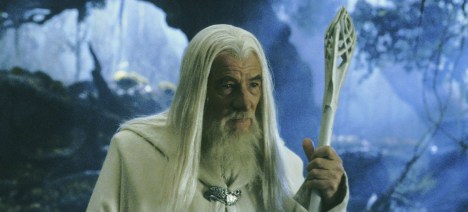
New Escapist Column! On “The Lord of the Rings” as a Blockbuster for the Post-Ironic Age…

I published a new In the Frame piece at The Escapist this evening. With the twentieth anniversary of Peter Jackson’s The Lord of the Rings fast approaching, it seemed like a good opportunity to place the films in the context of their times.

Obviously, every work reflects the time in which it is produced – it speaks to a variety of factors (consciously or unconsciously) acting on the creative talent as it evolves into its final form. However, audiences also can’t help but engage with a work in the context of the time in which it is released. Peter Jackson shot most of his Lord of the Rings trilogy before 9/11, even if The Lord of the Rings: The Fellowship of the Rings was released in theatres three months after the attack. Still, it’s not to feel like the films’ earnestness and sincerity resonated with an audience looking for meaning in seemingly chaotic and arbitrary time.

You can read the piece here, or click the picture below.

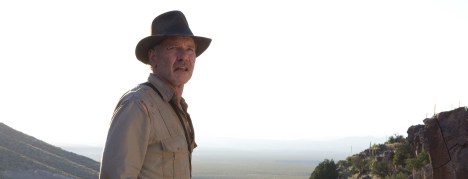
“We Will Change You, Doctor Jones”: “Indiana Jones and the Kingdom of the Crystal Skull” and a Unified Theory of Indiana Jones…

Indiana Jones and the Kingdom of the Crystal Skull is a movie with very real and very tangible problems.

Part of the problem is one of simple aesthetics. The original trilogy were products of a very particular moment in the history of American cinema, spanning the eighties. Raiders of the Lost Ark was very much a rollercoaster of a movie, a showcase for practical effects and impressive stunt work. Indiana Jones and the Temple of Doom was built around impressive physical sets, model work and location work. Even Indiana Jones and the Last Crusade took a great deal of pride in how tactile this world felt.

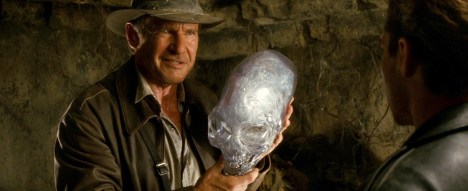
Crystal clear.

In contrast, Indiana Jones and the Kingdom of the Crystal Skull was a product of a transitional decade for Hollywood. It is no coincidence that the film opened in the same summer as blockbusters like Iron Man and The Dark Knight, which heralded a new future for crowdpleasing spectacle. While The Dark Knight made a conscious effort to ground its storytelling in practical effects, Iron Man signaled that the digital effects revolution was going to be the cornerstone of the superhero genre.

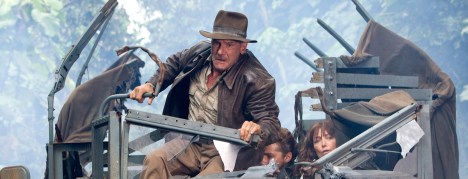
As such, Indiana Jones and the Kingdom of the Crystal Skull feels like a deliberate and conscious step into the uncanny valley. Many of the movie’s most decried action sequences are driven by green screen and computer-generated special effects, standing in start contrast to the weight and mass that defined the earlier set pieces. It’s unsettling and uncomfortable. The chase sequence in the Amazon is perhaps the most egregious example, but this detachment from reality is obvious from the early scenes inside the warehouse, as pixels guide our hero and his captors to their destination.

Blowing the roof off.

Indiana Jones and the Kingdom of the Crystal Skull exists in another uncanny space, most obviously through the introduction of the character of Mutt Williams. Part of this problem is undoubtedly Shia LeBeouf himself, who has been candid about his work on the film to the point of alienating director Steven Spielberg. Much like it’s easier to recognise the “pre-sequel” of Indiana Jones and the Temple of Doom as a prequel with the benefit of hindsight, it’s easier now to see Indiana Jones and the Kingdom of the Crystal Skull as a rough draft of a “legacyquel”, like Creed or Star Wars: Episode VII – The Force Awakens.

Of course, Indiana Jones and the Kingdom of the Crystal Skull is too clumsy to really work in that way. The film’s closing moments dare to tease the idea of Mutt Williams succeeding Indiana Jones, the wind blowing Jones’ iconic hat into Williams’ clutches. However, Indiana Jones and the Kingdom of the Crystal Skull lacks the courage of its commitment. Jones snatches the hat away at the last minute, prefiguring the way in which Star Wars: Episode IX – The Rise of Skywalker would retreat from the idea of passing Star Wars to a new generation.

It’s not the years, it’s the mileage.

There are other ways in which Indiana Jones and the Kingdom of the Crystal Skull feels like it is caught between two eras. The film’s structure arguably suffers from the production team’s famed attempts to preserve the secrecy of the plot, which even extended to a sting operation and a high-profile lawsuit. The publicity around the film reportedly considered keeping Karen Allen’s return a secret, and the film’s structure conceals the presence of Marion Ravenwood for an hour. It’s a choice that muddies the film’s handling of its themes, denying it the clarity of how Indiana Jones and the Last Crusade handled Henry Jones.

Still, accepting these issues as problems, there is a lot of interesting stuff happening beneath the surface of Indiana Jones and the Kingdom of the Crystal Skull. In particular, Indiana Jones and the Kingdom of the Crystal Skull feels like a very sincere and genuine effort on the part of everybody involved to figure out some grand unified theory of Indiana Jones, separated from the original three films by decades. What does it mean to look back on the trilogy? How has the world changed? How would the character wrap it all up?

It was admittedly a bit of a wash…

Continue reading

249. Indiana Jones and the Kingdom of the Crystal Skull – Indiana Summer 2021 (#—)

Hosted by Andrew Quinn, Tony Black and Darren Mooney, The 250 is a (mostly) weekly trip through some of the best (and worst) movies ever made, as voted for by Internet Movie Database Users. New episodes are released every Saturday at 6pm GMT.

This time, wrapping up our Indiana Summer, Steven Spielberg’s Indiana Jones and the Kingdom of the Crystal Skull.

In the midst of the Red Scare, veteran archeologist Indiana Jones finds himself embroiled in a Communist plot involving Area 51. The mystery inevitably spirals outwards, the explorer finds himself roped into another adventure that reunites him with his lost love Marion Ravenwood and offers surprising revelations about the adventurer’s family.

At time of recording, it was not ranked on the list of the best movies of all time on the Internet Movie Database.

Continue reading

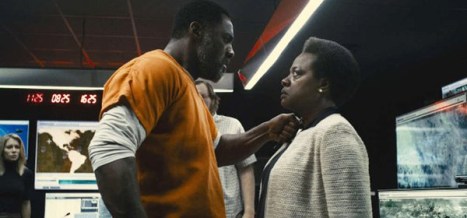
New Escapist Column! On How “The Suicide Squad” Deconstructs Amanda Waller…

I published a new In the Frame piece at The Escapist this evening. With the release of The Suicide Squad, it seemed like a good opportunity to take a look at one small-but-clever aspect of James Gunn’s superhero sequel.

The character of Amanda Waller is a pop culture archetype. She is an example of the ruthless intelligence operative who will cross whatever line it takes in pursuit of what she believes to be the greater good. Outside of comic books, one need only look at the character of Jack Bauer. Within the modern superhero landscape, the archetype is embodied by Nick Fury. These characters might be edgy or ambiguous, but they are also undeniably cool. Gunn’s approach to Waller in The Suicide Squad is interesting in large part because it rejects that idea of effortless cool in favour of something a lot blunter and more horrific.

You can read the piece here, or click the picture below.

Non-Review Review: The Mauritanian

The Mauritanian is an odd film in a number of ways.

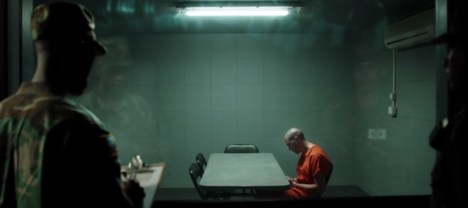
In some ways, The Mauritanian feels like it has arrived late to the party. Obviously, the War on Terror is still a major defining event of the twenty-first century. Guantánamo Bay is still open and housing forty inmates. It’s possible to trace the xenophobia that defines so much of contemporary American politics back to the War on Terror, most obviously by looking at the countries affected by President Donald Trump’s infamous “travel ban.” So the War on Terror is very much an ongoing concern that merits discussion and exploration.

Maur, Maur, Maur…

However, it is also a period of American history that has been very thoroughly explored in film and television, particularly in the context of prestige awards-season releases. The Hurt Locker won Best Picture a decade ago. Zero Dark Thirty was a major awards contender a few years after that. The War on Terror has been dissected through the lens of forensic introspection in movies like The Report and through broad satire in movies like Vice. As such, any movie hoping to explore the War on Terror exists in the shadow of larger culture.

This is perhaps the biggest issue with The Mauritanian. Director Kevin Macdonald’s earnest exploration of the incarceration and torture of Mohamedou Ould Salahi feels like a movie that should have been released during the early wave of this cinematic excavation. Even allowing for the fact that Salahi was only released five years ago, those five years feel like a very long time. The result of all this is that The Mauritanian feels like a movie displaced in time, feeling like a retread of the earliest films grappling with the topic, like Lions for Lambs.

Interrogating the War on Terror.

Continue reading