• Following Us

  • Categories

  • Check out the Archives


  • Awards & Nominations

“No one trusts each other anymore.” Brian Michael Bendis’ “Avengers” and the War on Terror

One of the great things about long-running pop art, whether television shows, film franchises or comic books, is the sense in which they can serve as a reflection of shifting cultural concerns.

The Marvel Universe spans more than six decades of continuity. It is perhaps too much to call it a single story, even if comic book continuity is held together by that fiction. It is the work of countless writers and artists, working under different editorial regimes with different creative and commercial constraints. The visual language of the medium has shifted over decades, along with its target audience, not to mention its relationship with the mainstream culture.

Still, while monthly superhero comics are rarely considered high or important art, they are an interesting window into their particular cultural moment. These characters and archetypes are constantly changing and evolving, being reworked and recontextualised to fit the perpetual present. Rereading old comic books can feel like stepping inside a time machine, taking the reader back to not just a particular moment in comics continuity, but a funhouse mirror of the larger culture.

Brian Michael Bendis stewarded the Avengers titles for eight years, from 2004 to 2012. He managed the brand across multiple titles starting with Avengers Disassembled into New Avengers and Mighty Avengers, and through a host of epic status quo-altering events. Some of those events, like House of M, Secret Invasion and Siege, Bendis wrote himself. Other events, like Civil War, he simply tied into from the sidelines.

Still, that initial run of comics from Avengers Disassembled to Siege remains hugely important. Bendis restructured the Marvel Universe to place the Avengers franchise at its core, displacing the X-Men as the company’s flagship brand. Coinciding with the launch of Marvel Studios, that run is an obvious and ongoing touchstone for the Marvel Cinematic Universe, which has directly adapted segments of this run into films like Captain America: Civil War and shows like Secret Invasion.
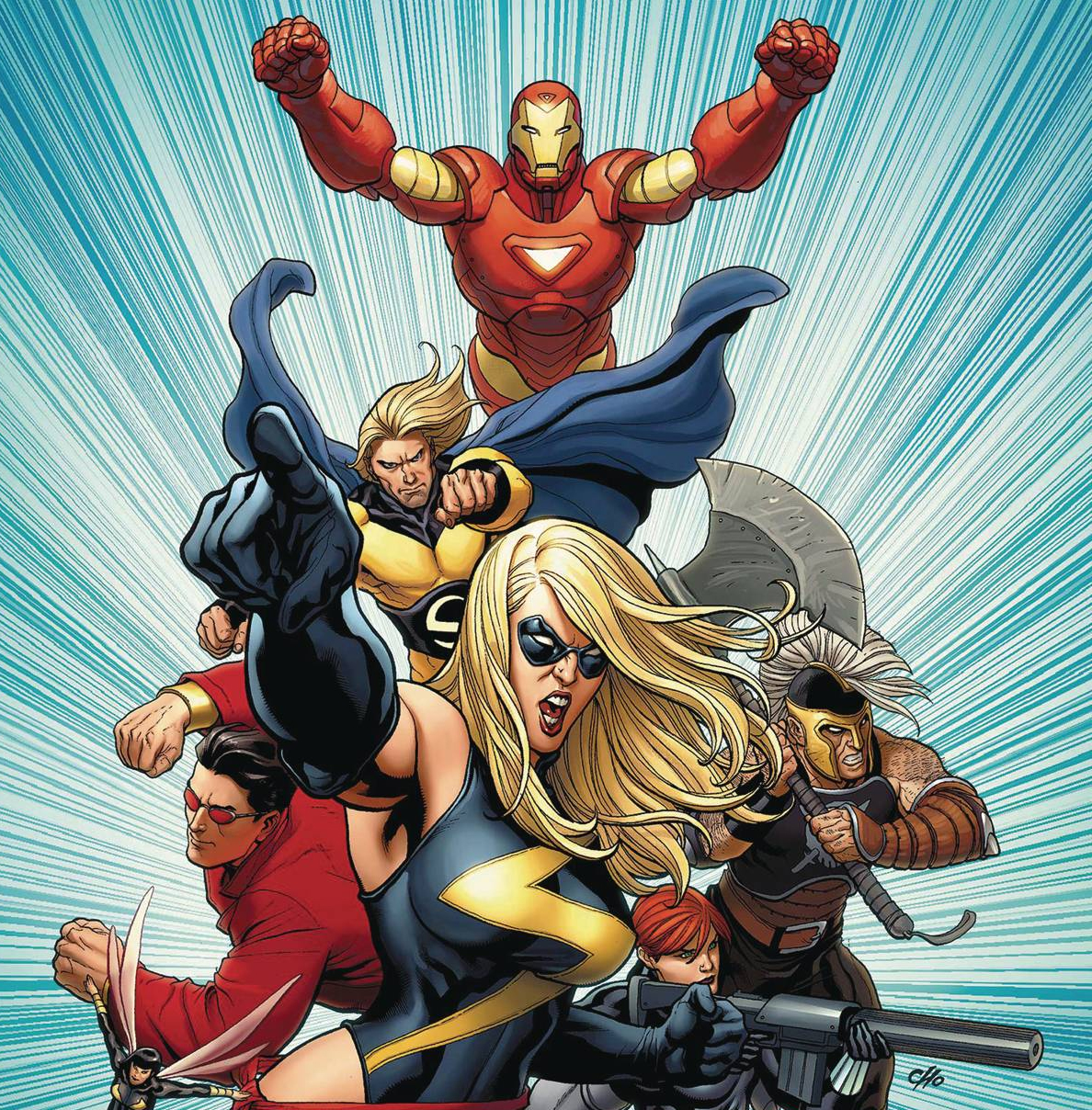
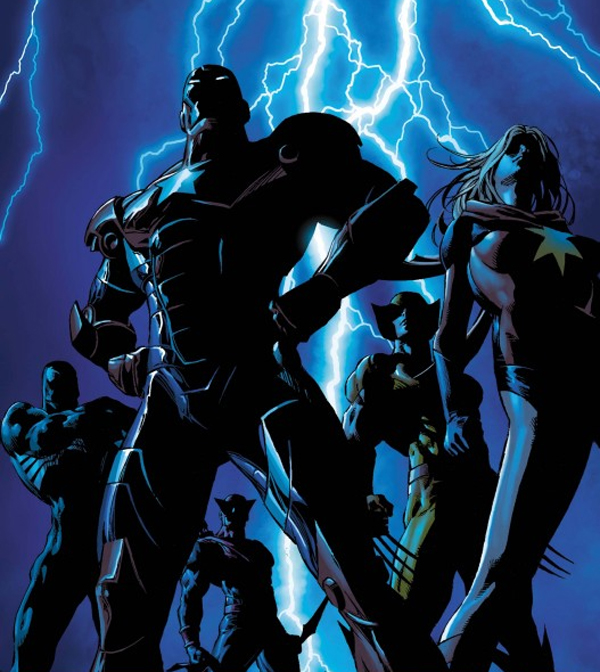
Even as the big crossover events like Avengers: Infinity War or Avengers: Secret Wars draw more heavily from the work of Bendis’ successor on the Avengers titles, Jonathan Hickman, Bendis’ Avengers remains a key influence. Thunderbolts*, for example, feels heavily indebted conceptually to Bendis’ Dark Avengers and even leans heavily on the character of Sentry, a continuity curiosity who became central to Bendis’ larger arcs.

However, even outside of its obvious cultural footprint, the remains one of the definitive explorations of the War on Terror in popular American culture, elevating the emotional and symbolic response to the 9/11 terrorist attacks into a sort of pop mythology, playing out the country’s psychodrama in costumes and capes. Bendis’ Avengers run is messy and uneven, occasionally downright clumsy in its execution. It is also a snapshot of a moment.
Continue reading

386. Deadpool and Wolverine (#—)

Hosted by Andrew Quinn and Darren Mooney, and this week with special guests Graham Day, Luke Dunne and Phil Bagnall, The 250 is a weekly trip through some of the best (and worst) movies ever made, as voted for by Internet Movie Database Users. New episodes are released Saturdays at 6pm GMT.

This week, Shawn Levy’s Deadpool and Wolverine.

Wade Wilson wants to “matter.” Rejected by the Avengers, he finds himself working as a car salesman. However, when agents of the Time Variance Authority show up promising to spirit the vigilante away to “the Sacred Timeline”, Wade finds himself forced to choose between fulfilling his dreams and protecting his family, with the aid of the most unlikely of heroes.

At time of recording, it was not ranked on the list of the best movies of all time on the Internet Movie Database.

Continue reading

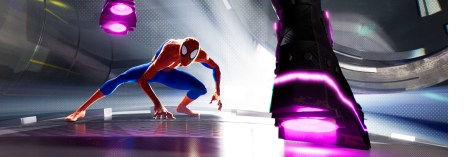
New Escapist Column! On the Unfulfilled Promise of “Into the Spider-Verse”…

I published a new piece at The Escapist this evening. With the premiere of Spider-Man: Across the Spider-Verse, it seemed like a good opportunity to consider the legacy of Spider-Man: Into the Spider-Verse five years after it was originally released.

The influence of Into the Spider-Verse can be keenly felt on animated films like The Bad Guys and Puss in Boots: The Last Wish. However, it’s strange that the movie has had no real impact on comic book adaptations. Despite early adventurous comic book adaptations like Hulk, Sin City or Scott Pilgrim vs. the World, the modern comic book blockbuster has demonstrated a lack of visual experimentation that feels very much like a betrayal of the source material. What’s the point in making a comic book movie if it can’t be as visually inventive?

You can read the piece here, or click the picture below.

New Escapist Video! “Shazam! Fury of the Gods Proves that Lightning Doesn’t Always Strike Twice”

I’m thrilled to be launching movie and television reviews on The Escapist. Over the coming weeks and months, I will be joining a set of contributors in adding these reviews to the channel. For the moment, I’m honoured to contribute a five-minute film review of Shazam! Fury of the Gods, which was released in cinemas this weekend.

New Escapist Video! On Phase 4 as Marvel’s Midlife Crisis…

We’re thrilled to be launching a fortnightly video companion piece to In the Frame at The Escapist. The video will typically launch every second Monday, and be released on the magazine’s YouTube channel. And the video will typically be separate from the written content. This is kinda cool, because we’re helping relaunch the magazine’s film content – so if you can throw a subscription our way, it would mean a lot.

This week, with the recent launch of Ant-Man and the Wasp: Quantumania, we took a look back at Marvel’s Phase 4, trying to make sense of one of the shared universe’s most disjointed and uneven phases.

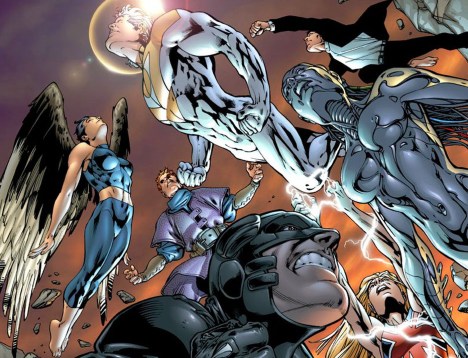
New Escapist Column! On The Sincere Nerdery of James Gunn and Peter Safran’s DC Slate…

I published a new piece at The Escapist last month. With new creative heads James Gunn and Peter Safran announcing their slate of upcoming DC films, it seemed worth taking account of a production schedule that includes oddities like The Creature Commandos, The Authority and Swamp Thing.

In modern pop culture, “fannishness” is worn as a badge of honour. Producers and writers will often give interviews stressing their sincere affection for the source material with which they are working. However, these adaptations are often superficial or shallow, drawing on surface level details from the rich tapestry of these very old properties. What makes Gunn and Safran’s slate so appealing, even if it may never actually materialise, is that it genuinely feels like the work of enthusiastic and hardcore fans with a deepset and long-standing appreciation for the source material, complete with deep cuts.

You can read the piece here, or click the picture below.

New Podcast! Craft Disservices – “Constantine”

I was delighted to join the wonderful Aaron Coker for an episode of his film podcast, Craft Disservices.

The premise of the podcast is built around the discussion of movies that were perhaps undervalued at the time, or that were greeted with critical hostility, and placing them in a broader context. Constantine is an interesting subject for such a reappraisal, and not just because there has recently been a sequel announced. Constantine represents one of the last of a certain breed of comic book adaptations, movies willing to play fast and loose with the lore in the process of translating them to screen. It is also a movie that exists among the last of a wave of truly diverse comic book adaptations before the superhero genre takes over.

You can listen directly to the episode below or by clicking here.

New Escapist Column! On “She-Hulk” and Unnecessary Origins…

I published a new piece at The Escapist this evening. We’re doing a series of recaps and reviews of She-Hulk, which is streaming weekly on Disney+. The first episode of the show released this week, and it seemed like a good opportunity to take a look at the series.

Like a lot of these streaming shows, She-Hulk suffers from an identity crisis. It is caught between the show that it clearly wants to be and its obligations to the familiar formula of the Marvel Cinematic Universe. In particular, She-Hulk begins with an extended and unnecessary origin story, which the show itself doesn’t seem particularly enthused about. It’s strictly formula. Giving the first thirty-odd minutes of the show over to this generic and paint-by-numbers exercise undermines a lot of the show’s potential appeal.

You can read the piece here, or click the picture below.

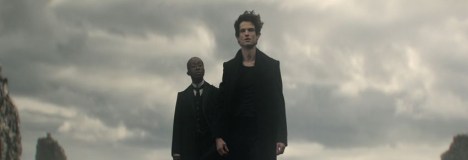
New Escapist Column! On “The Sandman” and the Art of Adaptation…

I published a new In the Frame piece at The Escapist yesterday. It’s a big weekend for media releases, and one of those new releases was The Sandman from Netflix, an adaptation of the comic book series from Neil Gaiman.

The Sandman is a remarkably faithful adaptation of the source material, often lifting images and dialogue directly from the comic. However, it’s also an interesting illustration of the art of adaptation as it purtains to ten-episode seasons of streaming television shows. It’s interesting to see how the source material is tweaked and altered to make it fit that familiar template, and what the adaptational choices say about what the streaming service and the production studio want from the show.

You can read the piece here, or click the picture below.

New Podcast! The Spookies Podcast – “The Dark Knight And The Joker “

I was thrilled to be invited to join the wonderful Michael and Stephanie Little for an episode of their new podcast, The Spookies Podcast.

It was a fun conversation, in which I got to chat a little bit about The Dark Knight, one of my favourite blockbusters ever. The nominal topic of the conversation was the Joker himself, but it was a broad and wide-ranging discussion that ended up touching on everything from modern fandom to Christopher Nolan to the state of modern auteurism. I hope you enjoy.

You can listen directly to the episode below or by clicking here.