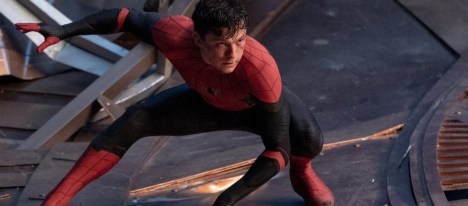
I published a new In the Frame piece at The Escapist this evening. This weekend marks the release of Spider-Man: No Way Home, so it seemed like a good idea to take a look at the movie. In particular, its best and most interesting performance.
No Way Home marks the return of several classic villains from early franchise iterations. Among them is Willem Dafoe, returning as Norman Osborn from Spider-Man and Spider-Man II. It’s a wonderful reminder of how Dafoe codified a lot of the modern comic book movie supervillain, establishing a template that has rarely been equalled in terms of quality across the ensuing decades. However, it’s to the credit of No Way Home that the film manages to use the character of Norman Osborn in a way that enriches and explores the villain.
You can read the piece here, or click the picture below.
I published a new In the Frame piece at The Escapist this evening. This weekend marks the release of Spider-Man: No Way Home, so it seemed like a good idea to take a look at the movie’s big themes and ideas.
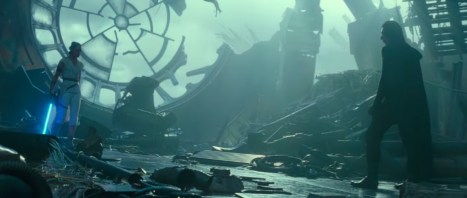
On the surface, No Way Home feels a lot like recent nostalgia plays like Star Wars: Episode IX – The Rise of Skywalker and Ghostbusters: Afterlife, in that it’s very much an appeal to the memory of a pop culture object. However, No Way Home has certain advantages over these movies, in that it’s a film that seems to be trying to be about more than just recycled imagery. However, it never seems like No Way Home is entirely sure what exactly it is about and what exactly it is trying to say about that.
You can read the piece here, or click the picture below.
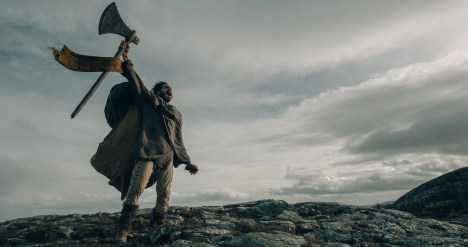
I published a new In the Frame piece at The Escapist this evening. With Christmas fast approaching, it seemed as good a time as any to take a look at the year’s best new Christmas movie.
The Green Knight can make a claim to being a Christmas movie just in terms of setting. It is a movie that unfolds primarily across two consecutive Christmases. However, its festive themes run deeper than that. I n many ways, The Green Knight is an exploration of the clash between pagan belief systems and Christian theologies that speaks to the central tension of the holiday. This isn’t just a Christmas movie, it is in some ways, a movie about Christmas.
You can read the piece here, or click the picture below.
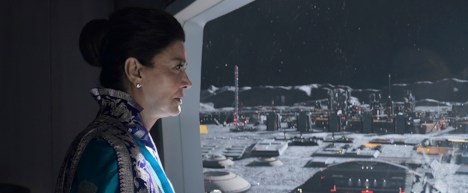
I published a new In the Frame piece at The Escapist this evening. With the final season of The Expanse beginning this week, it seemed like an opportunity to take a look at the final six episodes of the season.
For most of its run, The Expanse has been impressive in terms of scale and scope, often splitting its cast across multiple story threads and vast geographical distances. This makes the sixth season feel a little jarring, as the production team attempt to condense the longest book into the shortest season. As a result, The Expanse feels strangely insular and claustrophobic in its final stretch, almost like a cliff notes version of the show that it once was.
You can read the piece here, or click the picture below.
I published a new In the Frame piece at The Escapist this evening. With reports that Sony have plans for another trilogy of movies built around Tom Holland’s Peter Parker, it felt like a good time to reflect on what that might mean.
After all, most Marvel Cinematic Universe properties seem to be content with trilogies. Robert Downey Jr. and Chris Evans tapped out after three films. There is some suggestion that directors James Gunn and Peyton Reed may be done with their properties after completing their third films. So it’s interesting to imagine a world where Tom Holland has headlined six solo Spider-Man movies. What challenges might this pose for the Marvel Cinematic Universe? What opportunities?
You can read the piece here, or click the picture below.
I published a new In the Frame piece at The Escapist this evening. With the release of Encanto this weekend, it seemed like a good opportunity to talk about the animated “princess” movies being produced by Disney.
Disney has always been associated with these movies, dating back to the breakout success of Snow White and the Seven Dwarves. However, the company has also long had a complicated relationship to them, and in particular the way in which they are perceived as movies aimed at young girls. However, the past decade has seen the studio clever and consistently reinventing this archetypal “fairy tale” sort of story for the twenty-first century, to the point that it’s arguably that the run of movies from Tangled onwards has been the most consistent of the studio’s output.
You can read the piece here, or click the picture below.
I published a new In the Frame piece at The Escapist this evening. With the release of Ghostbusters: Afterlife this weekend, it seemed like a good opportunity to take a look at the larger trend of the modern nostalgia sequels, and the paradoxes at play within the genre.
By their very nature, belated sequels like Star Wars: Episode VII – The Force Awakens require the heroes to have left something unfinished or undone for years or even decades. Often, this involves forcing the heroes’ children to effectively grapple with the exact same problem that haunted their parents. There’s a recurring theme of generational failure running through these stories, a sense that the failure of these older heroes to wrap up their own stories exists at odds with the nostalgia that powers such stories.
You can read the piece here, or click the picture below.
I published a new In the Frame piece at The Escapist this evening. With the release of Wheel of Time this week, there’s been a lot of publicity describing the show as potentially “the next Game of Thrones.”
It’s interesting to ponder what people actually mean when they talk about “the next Game of Thrones.” After all, Game of Thrones existed in a category unto itself. If anything, it answered the question of what “the next Lost” or “the next Sopranos” might look like, with those perhaps answering the question of “what the next E.R.” or “the next Twin Peaks” might look like, and so on. Game of Thrones was a smashing success that nobody saw coming, and which looked utterly unlike anything on television. That means that “the next Game of Thrones” probably won’t look anything like Game of Thrones.
You can read the piece here, or click the picture below.
So, it’s been a fun road for the video companion series to In the Frame at The Escapist, but all good things must come to an end. It looks like this will be the last episode of the series, at least for a little while. It’s been a pleasure.
That said, it’s a hell of a topic to go out on, as we discuss the strange reverential cult that has developed around Ghostbusters, with the wry and ironic eighties comedy increasingly treated as something of a holy text for a certain generation of fans. It’s a very strange illustration of how nostalgia warps and distorts the very things that it claims to remember.
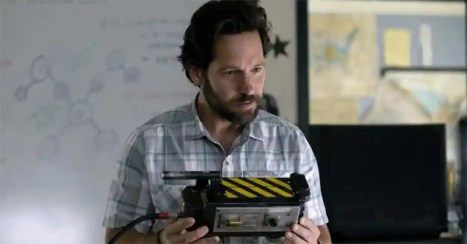
I published a new In the Frame piece at The Escapist this evening. With the release of Ghostbusters: Afterlife this weekend, it seemed like a good opportunity to take a look back at the original Ghostbusters.
The original Ghostbusters was a wry and cynical movie about three academics who find themselves forced to work in the public sector, and so start a business busting ghosts in a run-down and decaying New York City. The film was very self-aware and very glib, essentially built around the idea that three men who would be con artists in any other situation were able to come out on top in eighties America. However, in the years since, Ghostbusters has become an institution. What was once irreverent is now venerated, without any of the self-awareness that made the first film so compelling.
You can read the piece here, or click the picture below.




















 the m0vie blog