I published a new In the Frame piece at The Escapist this evening. With the reports that Disney+ will only be streaming two Marvel shows this year and the decision to move The Marvels out of summer and into November, it’s interesting to contemplate whether we’re already past “Peak Marvel.”
“Peak Marvel” is a reference to “peak oil”, referring to the point at which production reaches its apotheosis, where there is so much content being produced that it is unsustainable for any number of reasons. The Marvel Cinematic Universe remains one of the most successful multimedia franchises ever, but it has been flooding the market for the better part of two years. There are signs, both in the wider industry and within the brand itself, that this model is not sustainable. The question is what comes next.
You can read the piece here, or click the picture below.
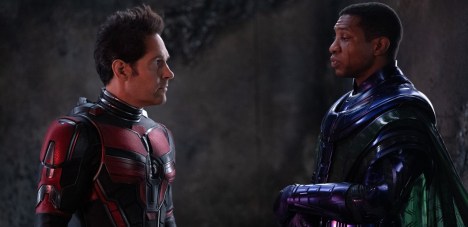
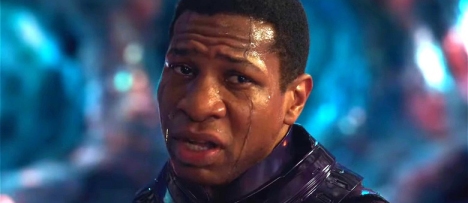
I published a new In the Frame piece at The Escapist this evening. With the release of Ant-Man and the Wasp: Quantumania this weekend, and how much of that movie is predicated on the introduction of Kang the Conqueror as the new “big bad” of the shared universe, it seemed like a good opportunity to take a look at whether the film accomplished this.
Quantumania fails to establish Kang as a credible threat, in large part because the movie is afraid of upsetting its audience. There are no stakes in Quantumania, no losses and no sense of ambiguity or compromise. The heroes survive their confrontation with Kang handily, easily overwhelming the villainous invader and even laughing at the idea of there being long-term consequences for their actions. Quantumania is so worried about potentially alienating fans of Ant-Man that it undersells its supposed big bad.
You can read the piece here, or click the picture below.
I published a new In the Frame piece at The Escapist this evening. With the release of Ant-Man and the Wasp: Quantumania, it seemed like a good opportunity to look at the movie’s thematic preoccupations.
Quantumania is something of a frustrating jumble of a movie. However, there are some interesting ideas nestled within it. Most engagingly, Quantumania feels like a movie that is about the legacy of foreign interventionism, dropping its characters into a strange realm that was forever altered by the pragmatic alliances made decades earlier. It’s a film about whether characters that call themselves heroes owe any obligation to help those less fortunate, particularly when that suffering is a direct consequence of earlier choices and actions. Quantumania doesn’t necessarily say any of this particularly well, but it tries.
You can read the piece here, or click the picture below.
I published a new In the Frame piece at The Escapist this evening. With the upcoming release of Ant-Man and the Wasp: Quantumania, it seemed like a good opportunity to take a look back at Ant-Man and Ant-Man and the Wasp, and the way in which these films – for better and worse – feel like the statistical mean of the Marvel Cinematic Universe.
Part of what in interesting about the Ant-Man movies is how little they actually adapt from the source comics, largely marginalising characters like Hank Pym and Janet Van Dyne in favour of porting over out-of-continuity characters like Hope van Dyne. They deliberately structure themselves to avoid key character and plot beats from the comic book franchise, and so offer the purest distillation of the adaptation storytelling of the comic book film franchise. The Ant-Man franchise is the Marvel Studios franchise that feels most generic, most cribbed together using the studio’s narrative shorthand.
You can read the piece here, or click the picture below.
We’re thrilled to be launching a fortnightly video companion piece to In the Frame at The Escapist. The video will typically launch every second Monday, and be released on the magazine’s YouTube channel. And the video will typically be separate from the written content. This is kinda cool, because we’re helping relaunch the magazine’s film content – so if you can throw a subscription our way, it would mean a lot.
This week, with The Last of Us continuing on television, we took a look at the show as one of the most successful video game adaptations to date. In particular, after decades of trying and failing to translate video games to the big screen, does The Last of Us suggest that the smaller screen is the perfect place for them?
I published a new In the Frame piece at The Escapist this evening. This week saw the broadcast of Long Long Time, a spectacular episode of The Last of Us. While the episode was almost universally praise, there was some criticism that it was “filler.”
This is an interesting argument, in what it reveals about modern pop culture and what it misses about the art of storytelling. Long Long Time is thematically essential to The Last of Us. It’s an episode that establishes the actual meaningful stakes of the story, beyond the plot mechanics that spur the narrative forward. It’s easy to miss in an era where spoilers are considered a huge issue, where media is designed to be consumed at multiples of its intended speed, and where recap culture has reduced storytelling to lists of plot points. Nevertheless, it’s important.
You can read the piece here, or click the picture below.
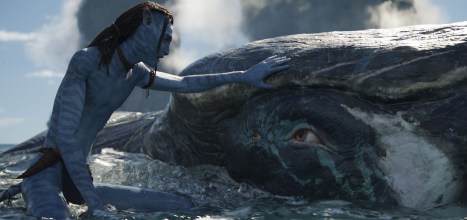
I published a new In the Frame piece at The Escapist this evening. With Avatar: The Way of Water continuing to push its way up the list of highest-grossing movies of all-time, it is interesting that James Cameron’s sequel hasn’t dominated the discourse to the same extent as comparable blockbusters like Avengers: Infinity War or Avengers: Endgame.
Truth be told, there is something innately charming about that. It’s fun to have a big and bombastic blockbuster that hasn’t become an online shouting match, a film that audiences have just turned out to see and then gone back to their lives without making the film’s performance or reception a key part of their identity. Whatever problems there may be with The Way of Water, there is something to be said for a film that manages to entertain that many people without causing too many ripples.
You can read the piece here, or click the picture below.
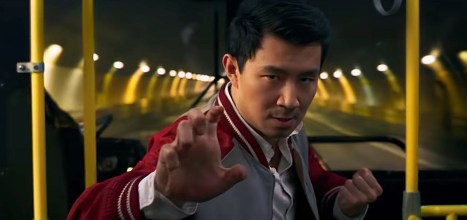
I published a new In the Frame piece at The Escapist this evening. Last week, Marvel Studios President Kevin Feige made an argument that he could never understand the idea of “superhero fatigue”, referencing the diversity of genres and stories in superhero comics.
Feige’s response was interesting for a number of reasons. Most obviously, it was technically correct. Comic books are incredibly flexible in the kind of stories they tell and the way that they tell them. However, Feige’s answer sidestepped the obvious problem. In recent years, the superhero movie has grown more conservative and more conventional, becoming less likely to embrace different tones and styles, or to tell different kinds of stories. In the past fifteen years, the entire comic book adaptation genre has been flattened down to “Marvel movies”, and that is a very real problem.
You can read the piece here, or click the picture below.
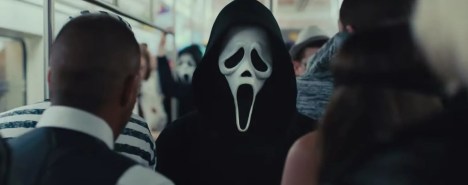
I published a new In the Frame piece at The Escapist this evening. With the looming release of Scream VI, it seemed like as good a time as any to consider the state of the modern horror franchise.
When Scream premiered, it was a radical deconstruction of classic slasher movie tropes that breathed new life into the genre. It even helped to resurrect troubled slasher franchises like Halloween or Child’s Play. So it’s interesting that, as the series has progressed, it has become more and more like the kinds of movies that it was originally a reaction against. It’s a fascinating illustration of how these franchises evolve over the decades since their original release.
You can read the piece here, or click the picture below.
I published a new In the Frame piece at The Escapist this evening. This week saw the release of the final trailer for the upcoming Ant-Man and the Wasp: Quantumania. What was most interesting about the trailer was the extent to which it contained no surprises or teases. It was a very matter-of-fact “this is what the movie is” trailer.
It’s an interesting approach, particularly for a studio that takes pride in keeping secrets and teasing the audience. The trailer for Quantumania looks very much like a blueprint for the movie, mapping a lot of its character and narrative arcs very clearly, including a third act twist. It’s an approach that feels a little desperate, very much in keeping with the general sense of how Marvel Studios has been packaging and selling Phase Five. The past two years have seen some small erosion in the studio’s cachet, and the trailer for Quantumania feels like the studio trying to convince audiences that it still adheres to the old template.
You can read the piece here, or click the picture below.



















 the m0vie blog