I published a new In the Frame piece at The Escapist this evening. Because it’s the fifth anniversary of 10 Cloverfield Lane, it seemed like a good opportunity to take a look back at the paranoid and claustrophobic thriller. In particular, 10 Cloverfield Lane arrived on the cusp of a wave of similar movies about characters trapped and suffocated in claustrophobic horror: films as diverse as Quentin Tarantino’s The Hateful Eight, Lenny Abrahamson’s Room, Jeremy Saulnier’s Green Room and even Todd Haynes’ Carol.
Looking at these wave of films in hindsight, they suggest something simmering beneath the surface of American consciousness, a nightmare about characters who find themselves in hostile and oppressive environments and forced to survive as best they can. 10 Cloverfield Lane was perhaps the culmination of this cinematic trend, and galvanises many of those themes into a potent allegory for abuse and survival, ending with the revelation that not all of this monstrosity is trapped behind locked doors.
You can read the piece here, or click the picture below.
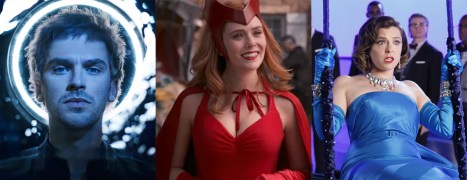
I published a new In the Frame piece at The Escapist this evening. Today marked the release of the WandaVision finale, so it seemed like a good opportunity to take a look at the season as a whole, and where it stands in terms of the modern television landscape.
One of the most striking aspects of the first half of WandaVision‘s first season was the skill and fidelity that the show demonstrated in recreating classic television sitcoms. The show’s basic conceit found the characters journeying through television’s history and hurdling towards the present. Unfortunately, WandaVision stumbled when it hit the present, particularly when compared to two relatively recent shows tackling similar themes and working in similar genres blending fantasy and reality as meditations on trauma and mental health problems: Legion and Crazy Ex-Girlfriend.
You can read the piece here, or click the picture below.
So, as I have mentioned before, I am launching a new video series as a companion piece to In the Frame at The Escapist. The video will typically launch with the Monday article, and be released on the magazine’s YouTube channel the following week. This is kinda cool, because we’re helping relaunch the magazine’s film channel – so if you can throw a subscription our way, it would mean a lot.
This week, we took a look at the emergence of the multiverse, which appears to be the future of various shared cinematic and television universe. Why is this idea suddenly so popular? What does it mean? What does it hold for the future?
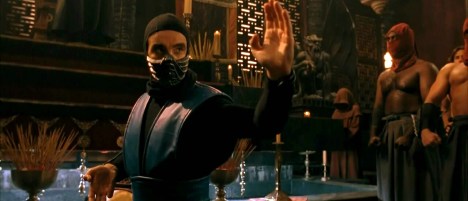
I published a new column at The Escapist yesterday. With the new trailer for the rebooted Mortal Kombat, it felt like the perfect opportunity to take a look back at Paul W.S. Anderson’s 1995 original.
Recent years have seen a reassessment of Anderson as a director, frequently celebrating his understanding of the field in which he operates. Anderson’s Mortal Kombat is unapologetic pulp, and pitches itself perfectly at that level. Anderson understands that the key to faithfully adapting Mortal Kombat is not fidelity to continuity, but instead an appreciation of what audience and players actually love about the series. It exists in marked contrast to the version that Mortal Kombat suggested by the new trailer.
You can read the piece here, or click the picture below.
So, as I have mentioned before, I am launching a new video series as a companion piece to In the Frame at The Escapist. The video will typically launch with the Monday article, and be released on the magazine’s YouTube channel the following week. This is kinda cool, because we’re helping relaunch the magazine’s film channel – so if you can throw a subscription our way, it would mean a lot.
This is a video that I’m particularly proud of, and intimidated by. Promising Young Woman was one of my favourite films of last year, so I was thrilled to get the chance to properly dig into it. I take a look at the way in which the film plays with audience expectations, and its understanding of the way in which it knows the audience will look at it.
I’m thrilled to be launching 3-Minute Reviews on Escapist Movies. Over the coming weeks and months, I will be joining a set of contributors in adding these reviews to the channel. For the moment, I’m honoured to contribute a three-minute feature film review to the channel, discussing Nomadland.
The Escapist have launched a movie podcast, and I was thrilled to join Jack Packard and Will Cruz for the fifth episode of the year. We talked a little bit about how disappointingly conventional this year’s awards season looks to be, but the real meat of the podcast was a discussion of Sam Raimi’s much (and perhaps deservedly) maligned Spider-Man 3.
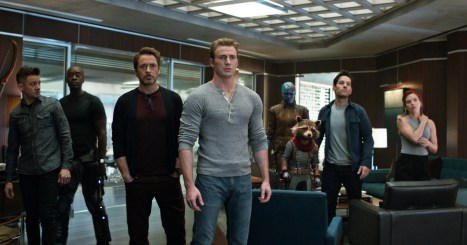
I published a new In the Frame piece at The Escapist this evening. Last week, there were rumours that Chris Evans might be returning to the Marvel Cinematic Universe, following his departure in Avengers: Endgame.
This is interesting, because it potentially undermines one of the more interesting facets of the Marvel Cinematic Universe going forward. Comic books are largely shaped and defined by nostalgia, with beloved characters filling familiar roles in perpetuity, with any major change to the status quo eventually rolling back to the default. In contrast, a cinematic universe operates by different constraints: actors move on, age out and even die. This would force a long-form shared universe to evolve in a way that comics haven’t had to. This is a good thing, as evolution is necessary.
You can read the piece here, or click the picture below.
With a slew of Marvel Studios productions coming to Disney+ over the next six months, The Escapist has launched a weekly show discussing these series. I’ll be joining the wonderful Jack Packard and the fantastic KC Nwosu to break down WandaVision, Falcon and the Winter Soldier and Loki as they come out.
The plan if for the weekly episodes to launch on Saturday, but our first episode is launching today looking at the first two episodes of WandaVision. We talk about expectations, about continuity, and about what it means for the Marvel Cinematic Universe to come to television.
I published a new In the Frame piece at The Escapist this evening. With WandaVision currently streaming on Disney+, it seemed like an interesting opportunity to look at the show’s use of the language of sitcoms.
In particular, sitcoms have long been a staple genre of American television. However, they don’t just reflect cultural norms, they also project an aspirational ideal. For generations of Americans, the domestic sitcom presented a vision of domestic life that shaped and informed popular consciousness. In WandaVision, those nostalgic fantasies become a trap and a waking nightmare, as characters build themselves a life of seeming domestic bliss dictated by decades of television. Wanda has built herself a cage, treating television as a mirror.
You can read the piece here, or click the picture below.


















 the m0vie blog