I published a new In the Frame piece at The Escapist this evening. With the season finale of Severance last week, it seemed like an opportunity to take a look at one of the most interesting new shows on television.
Severance is a science-fiction show build around the fictional concept of “severance”, a medical procedure that allows a person to completely separate their professional and personal selves. However, beneath this high concept, Severance plays as a metaphor for a lot of the current anxieties about the work/life balance, and the intrusion of private enterprise into personal lifestyles.
You can read the piece here, or click the picture below.
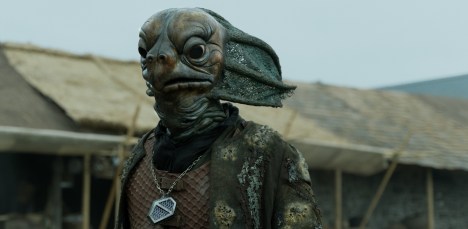
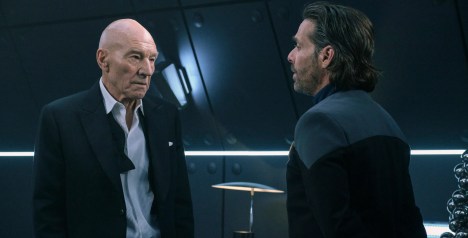
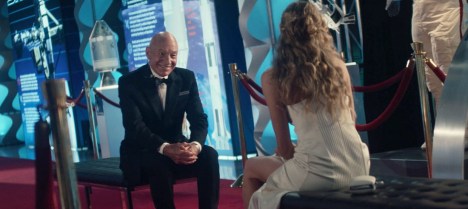
I published a new piece at The Escapist this evening. We’re doing a series of recaps and reviews of Star Trek: Picard, which is streaming weekly on Paramount+. The seventh episode of the second season released this week, and it seemed like a good opportunity to take a look at the series.
One of the big problems with modern Star Trek has been the extent to which the franchise finds itself caught between the past and the future, between a nostalgic impluse that pulls it back to the plotting that defined the franchise’s long history and something more ambitious that pushes it towards prestige television. The recent shows have never quite managed to square that particular circle, and this problem comes to the fore as Picard tries to delve inside the head of its protagonist.
You can read the piece here, or click the picture below.
I published a new piece at The Escapist this evening. We’re doing a series of recaps and reviews of Moon Knight, which is streaming weekly on Disney+. The third episode of the show released this week, and it seemed like a good opportunity to take a look at the series.
Moon Knight very obviously wants to evoke a particular sort of old-fashioned romantic globe-trotting adventure, like Raiders of the Lost Ark, Romancing the Stone or even The Mummy. It is arguably part of a recent attempted revival of the subgenre, including Jungle Cruise and Lost City of D. However, the show’s attempts to tap into this sort of classic odd couple romance demonstrates the limits of the weird insistent sexlessness that define so many modern blockbuster stories. Moon Knight manages the seemingly impossible, in that it makes Oscar Isaac seem sexless.
You can read the piece here, or click the picture below.
We’re thrilled to be launching a fortnightly companion piece to In the Frame at The Escapist. The video will typically launch every second Monday, and be released on the magazine’s YouTube channel. This is kinda cool, because we’re helping relaunch the magazine’s film content – so if you can throw a subscription our way, it would mean a lot.
With the release Moon Knight, it seemed like a good opportunity to talk about the show. In particular, how Moon Knight offers an interesting approach to the long-standing “villain problem” facing Marvel Studios.
I published a new piece at The Escapist this evening. With the looming release of Doctor Strange in the Multiverse of Madness, it seemed like a good opportunity to take a look at Sam Raimi’s first superhero movie: Darkman.
Darkman is notable because it belongs to a wave of early nineties superhero movies that were heavily influenced by the pulp heroes of the thirties and forties: Batman, Dick Tracy, The Rocketeer, The Shadow, The Mask, The Phantom. This is a fascinating and often overlooked trend in the history of what would become the biggest genre in Hollywood. It’s interesting to look at these movies collectively, to place in the wave of a broader cultural nostalgia for the pop culture of the era.
You can read the piece here, or click the picture below.
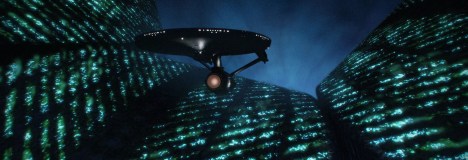
I published a new In the Frame piece at The Escapist this evening. With the release of the recently remastered Director’s Edition of Star Trek: The Motion Picture, it seemed like a good opportunity to take a look at the first feature film in the Star Trek franchise.
The Motion Picture is often derided by its critics as “the Motionless Picture”, reflecting the film’s slow pacing and simplistic plot in contrast to its more relaxed runtime. These criticisms are entirely valid, but they also ignore one of the central appeals of The Motion Picture. Just two years after George Lucas welcomed viewers to “a galaxy far, far away” with Star Wars, The Motion Picture made the Star Trek universe truly tactile and tangible. The film is perhaps best understood as an experience rather than a narrative, a window into the franchise’s fictional universe.
You can read the piece here, or click the picture below.
I published a new piece at The Escapist this evening. We’re doing a series of recaps and reviews of Star Trek: Picard, which is streaming weekly on Paramount+. The sixth episode of the second season released this week, and it seemed like a good opportunity to take a look at the series.
One of the interesting aspects of the second season of Star Trek: Picard has been the way in which it has been drawing more overtly from classic Star Trek tropes, with the season taking a number of cues from Star Trek: First Contact. However, the season has drawn most overtly from Star Trek IV: The Voyage Home. What is interesting about this is that the show understands that The Voyage Home isn’t just about time travelers from an imaginary future, but about fugitives from television.
You can read the piece here, or click the picture below.
I published a new piece at The Escapist this evening. We’re doing a series of recaps and reviews of Moon Knight, which is streaming weekly on Disney+. The second episode of the show released this week, and it seemed like a good opportunity to take a look at the series.
One of the more consistent criticisms of the Marvel Cinematic Universe is the idea that it suffers from a “villain problem.” While this is perhaps an over-simplification of the situation, there is some truth to the suggestion. Part of what makes Moon Knight so interesting is that the streaming series posits an interesting solution to this long-standing issue. It offers a superhero who can legitimately serve as his own worst enemy.
You can read the piece here, or click the picture below.
I published a new In the Frame piece at The Escapist this evening. With the looming release of Doctor Strange in the Multiverse of Madness, it seemed like a good time to reflect on how so much of the fate of the Marvel Cinematic Universe came to rely on he sequel to Doctor Strange.
Doctor Strange was a solid midtier entry in the Marvel Cinematic Universe. It was warmly, but not raptuously, received by both audiences and critics. However, there is something fascinating in how the studio has positioned Doctor Strange in the Multiverse of Madness as essentially the franchise’s first true “event” movie since Avengers: Endgame. Indeed, there’s a surprising amount riding on the film, following the performance of the previous three Marvel Studios films and the success of Spider-Man: No Way Home and The Batman.
You can read the piece here, or click the picture below.
I published a new piece at The Escapist yesterday. One of the big news stories of this week concerned the apparent (albeit accidental) censorship of an episode of The Falcon and the Winter Soldier on Disney+.
While the matter was eventually resolved following news coverage and outcry on social media, there is something unsettling about how easily that mistake happened and how readily it could have been missed or overlooked. It underscores the risks of trusting companies like Disney to serve as the digital curators of their own legacy, particularly in a landscape where so much of film and television has alreayd been lost. In some ways, it suggests that the transition to streaming has rendered film and television truly disposable in a way that they haven’t really been in almost half a century.
You can read the piece here, or click the picture below.