I am doing weekly reviews of Willow at The Escapist. They’ll be dropping every Wednesday evening while the show is on, looking at the legacy sequel as it progresses from one episode to the next.
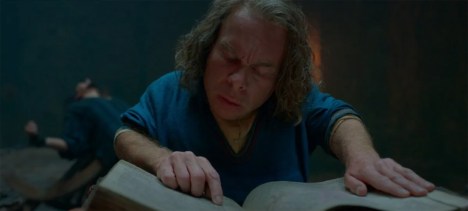
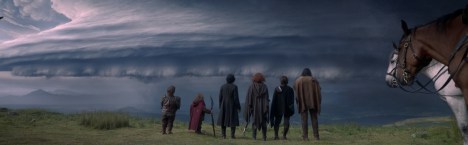
It is too much to call Willow a deconstruction or a subversion of classic fantasy tropes. Certainly, the show is often a celebration of the trappings of high fantasy, and a much more old-fashioned take on the genre than contemporary shows like The Lord of the Rings: The Rings of Power or House of the Dragon. At the same time, the series is written with an understanding of the tropes and conventions of the genre, and a willingness to play with those ideas in a way that deepens and explores its own themes. Given that this is a show about divorce, Willow eagerly dives into familiar fantasy tropes about blood and lineage.
You can read the piece here, or click the picture below.
I published a new In the Frame piece at The Escapist yesterday evening. With the release of The Fabelmans on streaming today, it seemed like a good opportunity to explore Steven Spielberg’s loosely autobiographical family drama.
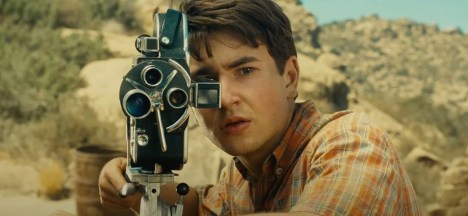
Spielberg’s recent films are preoccupied with his legacy, and the way in which his work has altered the cultural landscape. The Fabelmans is a much more personal movie, one that is more preoccupied with the art of filmmaking. The Fabelmans is a story about the power of the camera, and its ability to see things that are hidden from the human eye. The camera captures dreams, but it also reveals truths. The Fabelmans doesn’t romanticise this, but approaches with a palpable fear and dread.
You can read the piece here, or click the picture below.
We’re thrilled to be launching a fortnightly video companion piece to In the Frame at The Escapist. The video will typically launch every second Monday, and be released on the magazine’s YouTube channel. And the video will typically be separate from the written content. This is kinda cool, because we’re helping relaunch the magazine’s film content – so if you can throw a subscription our way, it would mean a lot.
This week, with cinemas in something of a fallow period between with releases of Black Panther: Wakanda Forever and Avatar: The Way of Water, it seemed like a good time to take a look at the complicated relationship within Hollywood, between streaming and theatrical releases. It has become increasing clear in recent years that streaming is not a viable replacement for the theatrical release model, but is instead largely dependent on it.
Hosted by Andrew Quinn and Darren Mooney, and this week with special guest Luke Dunne, The 250 is a weekly trip through some of the best (and worst) movies ever made, as voted for by Internet Movie Database Users. New episodes are released Saturdays at 6pm GMT.
This week, we’re continuing a seasonal tradition of talking about Star Wars movies: Ron Howard’s Solo: A Star Wars Story.
Growing up on the rough streets of Corellia, young and reckless orphan Han learned the hard way that he has to fend for himself. Escaping to a life in the Imperial Navy, Han stumbles into a daring heist. Joining a team of galactic outlaws, the young man finally finds his place in the universe. Crossing paths with new friends and old lovers, the dashing young rogue finds himself on course to become the man that he must be.
At time of recording, it was not ranked on the list of the best movies of all time on the Internet Movie Database.
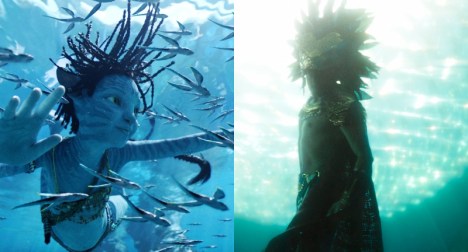
I published a new piece at The Irish Independent this evening. With the looming release of Avatar: The Way of Water, it seemed worth taking a look at James Cameron’s approach to the sequel.
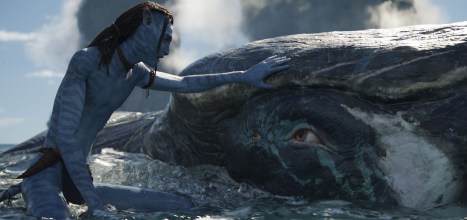
Over the past few years, it has become quite common for critics to argue that Avatar has no cultural footprint, that nobody can remember the names of its leads or it villains. This is interesting, because it offers a very modern conception of a “cultural footprint”, one that makes sense after decades of comic book movies have imprinted characters like Thanos and Doctor Strange on the public consciousness. Cameron isn’t releasing a blockbuster to compete with these films. Instead, he’s hoping that his sequel can make money by appealing to an older ideal of the cinematic experience.
You can read the piece here, or click the picture below.
I published a new In the Frame piece at The Escapist this evening. The year’s awards season has a whiff of decadence about it. Movies seem to be getting longer. Directors are making autobiographical movies about their own childhoods. There’s a fascination with tearing down old Hollywood myths.
Perhaps the most obvious example of this is the re-emergence of water tank movies, of expensive blockbusters set in and around water. After all, water is expensive and dangerous. More than that, there’s no real evidence that audiences are particularly enthused or excited by water, it’s simply something that costs a lot of money to do. Throughout Hollywood’s history, whenever the blockbuster industry drives itself into a heated frenzy, movies embrace the water. James Cameron has always been riding te crest of that particular wave.
You can read the piece here, or click the picture below.
I was thrilled to be invited to join the wonderful Michael and Stephanie Little for an episode of their new podcast, The Spookies Podcast.
It was a fun conversation, if a little bit chaotic. We got to talk about everything from Aquaman, Black Panther: Wakanda Forever and Avatar: Way of Water, through to the state of the Star Wars brand, and even to the differences between Breaking Bad and Better Call Saul.
You can listen directly to the episode below or by clicking here.
I am doing weekly reviews of Willow at The Escapist. They’ll be dropping every Wednesday evening while the show is on, looking at the legacy sequel as it progresses from one episode to the next.
Willow is very obviously a show steeped in the fantasy and the blockbusters of the eighties, reflecting the originl film on which it is based. However, the show is rooted much more film in that era than it might appear. As the show approaches its middle point, it becomes clear that showrunner Jonathan Kasdan has built Willow as an extended metaphor for familial dissolution, tapping into the themes of divorce and separation that permeated so much pop culture during the decade.
You can read the piece here, or click the picture below.
We’re thrilled to be launching a fortnightly video companion piece to In the Frame at The Escapist. The video will typically launch every second Monday, and be released on the magazine’s YouTube channel. And the video will typically be separate from the written content. This is kinda cool, because we’re helping relaunch the magazine’s film content – so if you can throw a subscription our way, it would mean a lot.
This week, with Christmas just around the corner, it seemed like a good opportunity to revist an older video, exploring how Die Hard isn’t just a Christmas movie, but is a truly great Christmas movie.
I published a new In the Frame piece at The Escapist this evening. With the publication of the once-in-a-decade Sight & Sound poll last week, it seemed like a good opportunity to dig into the results and consider what they say about modern film culture.
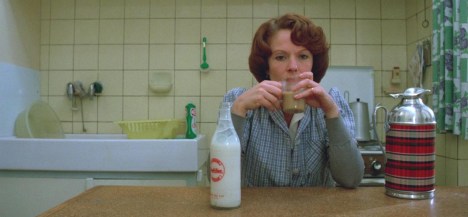
The list has provoked some response online for being too modern and too recent, including films like Portrait of a Lady on Fire, Get Out, Moonlight and Parasite. However, it’s part of a rich tradition of updating and modernising the cinematic canon. The most interesting aspect of the list is the way in which it demonstrates how film culture is online, how so many of the films to appear and climb on the list did so by becoming more readily and available, and by being embraced by an internet-literate generation of film critics.
You can read the piece here, or click the picture below.

















 the m0vie blog