• Following Us

  • Categories

  • Check out the Archives


  • Awards & Nominations

New Escapist Column! On the Question of What Even is a Movie Anymore…

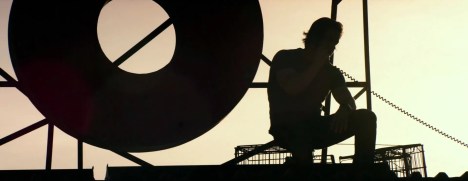
I published a new In the Frame piece at The Escapist this evening. Given the summer blockbuster season will see the release of Fast X, Spider-Man: Across the Spider-Verse and Mission: Impossible – Dead Reckoning, Part One, it seemed as good a point as any to ask a seemingly simple question with a surprisingly complex answer: what even is a movie these days?

In theory, it has always been relatively easy to define a film. Not only is that the name of the medium itself, it has always historically been a self-contained unit of narrative. There is a palpable difference between a film and a television show, or a film and a stage play. However, in recent years, those boundaries have become a bit more porous, and it’s come to feel just a little bit like blockbusters are just very long and very expensive instalments in long-runing television shows.

You can read the piece here, or click the picture below.

New Escapist Column! On Understanding Michael Bay’s “Transformers” Films…

I published a new piece at The Escapist yesterday evening. With the release of Transformers: Rise of the Beasts, it seemed like a good opportunity to take a look back at Michael Bay’s Transformers films.

Bay’s Transformers films are not good. It’s important to stress that. However, they are a fascinating piece of blockbuster cinema, the work of a genuine action auteur who bends an intellectual property so completely and so thoroughly to his artistic sensibility. It’s something that could only have happened at a particular moment in Hollywood, in the transition from director-driven blockbusters to brand-driven mega-franchises, and exists as a historical quirk on the bubble between those two trends.

You can read the piece here, or click the picture below.

New Escapist Column! On “Transformers: Rise of the Beasts” and Boring Blockbuster Third Acts…

I published a new In the Frame piece at The Escapist this evening. With the release of Transformers: Rise of the Beasts, it seemed like as good a time as any to reflect on one of the blights on modern big-budget blockbusters: the bland computer-generated third act throwdown in a big empty space with no sense of geography or texture.

In recent years, it has become increasingly common for these sorts of spectacles to climax with a gigantic final battle in a vast computer-generated wasteland, with no defining features or landmarks, but instead just a big empty space with no sense of where objects are in relationship to one another. Rise of the Beasts is perhaps the most egregious example of the trend, but there are plenty of others: Shang-Chi and the Legend of the Ten Rings, Avengers: Endgame, Avengers: Infinity War, Black Panther. It’s a hollow, empty, cardboard world.

You can read the piece here, or click the picture below.

New Escapist Video! “Transformers: Rise of the Beasts Review: A New Franchise Low”

I’m thrilled to be launching movie and television reviews on The Escapist. Over the coming weeks and months, I will be joining a set of contributors in adding these reviews to the channel. For the moment, I’m honoured to contribute a five-minute film review of Transformers: Rise of the Beasts, which was released in cinemas this weekend.

New Escapist Video! “Spider-Man: Across the Spider-Verse is Sweeping Web-Slinging Wonder”

I’m thrilled to be launching movie and television reviews on The Escapist. Over the coming weeks and months, I will be joining a set of contributors in adding these reviews to the channel. For the moment, I’m honoured to contribute a five-minute film review of Spider-Man: Across the Spider-Verse, which was released in cinemas this weekend.

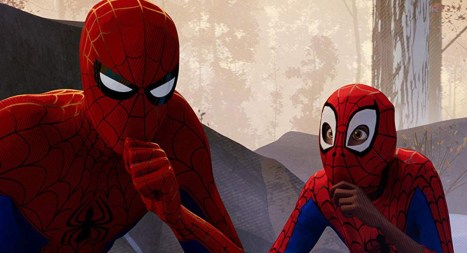
New Escapist Column! On “Across the Spider-Verse” as a Superhero Story About Parenting…

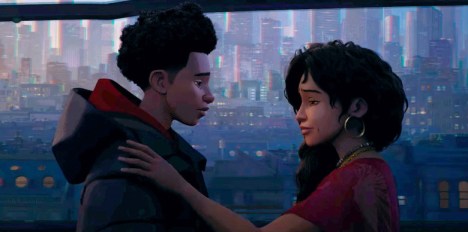
I published a new In the Frame piece at The Escapist this evening. With the release of Spider-Man: Across the Spider-Verse, it seemed like a good opportunity to delve into what the movie is about, particularly what it has to say about parenting.

Perhaps reflecting the aging demographic of superhero movie fans, a lot of recent superhero films – from Thor: Love and Thunder to Black Panther: Wakanda Forever – have been about parenting. However, Across the Spider-Verse stands out from the crowd because it’s a film that is rooted in the question of what it means to be a good parent, particularly to an exceptional child. It’s a warm and humanist fairytale that argues that the best thing parents can do for their children is to prepare them for the outside world and to listen to them when they speak.

You can read the piece here, or click the picture below.

New Escapist Column! On the Unfulfilled Promise of “Into the Spider-Verse”…

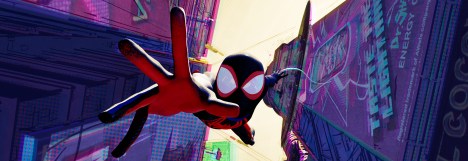
I published a new piece at The Escapist this evening. With the premiere of Spider-Man: Across the Spider-Verse, it seemed like a good opportunity to consider the legacy of Spider-Man: Into the Spider-Verse five years after it was originally released.

The influence of Into the Spider-Verse can be keenly felt on animated films like The Bad Guys and Puss in Boots: The Last Wish. However, it’s strange that the movie has had no real impact on comic book adaptations. Despite early adventurous comic book adaptations like Hulk, Sin City or Scott Pilgrim vs. the World, the modern comic book blockbuster has demonstrated a lack of visual experimentation that feels very much like a betrayal of the source material. What’s the point in making a comic book movie if it can’t be as visually inventive?

You can read the piece here, or click the picture below.

New Escapist Column! On “Across the Spider-Verse” as a Superhero Empowerment Fantasy…

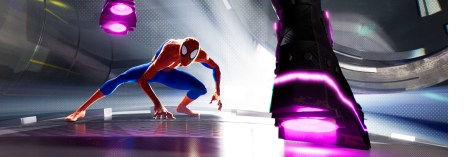
I published a new In the Frame piece at The Escapist this evening. With the release of Spider-Man: Across the Spider-Verse, it seemed like a good opportunity to delve into what the movie is about, particularly its relationship to other recent superhero movies.

After all, what is the point of superhero movies? What are they about? What purpose do they serve? In recent years, the superhero genre has come to be shaped by the language of militarism and law enforcement, treating superheroes as cops and soldiers who just happen to wear masks. Across the Spider-Verse is a film largely about grappling with the legacy of that trend, in which the central villains are “an elite strike team” of “all the best Spider-People” whose job it is to maintain the status quo, no matter how many innocent people suffer to maintain the established order.

You can read the piece here, or click the picture below.

New Escapist Column! On “Into the Spider-Verse” as a Postmodern Superhero Remix…

I published a new In the Frame piece at The Escapist this evening. With the release of Spider-Man: Across the Spider-Verse this weekend, it seems like as good an opportunity as any to take a look back at Spider-Man: Into the Spider-Verse.

Into the Spider-Verse is arguably the best superhero movie of the previous decade. A large part of the film’s appeal is that it is a superhero movie built around the understanding that its audience has seen other superhero movies and understands the classic beats of the superhero origin story. As such, it can speed them up and slow them down, iterate over them and subvert them, using the audience’s familiarity to create a postmodern meditation on the very idea of Spider-Man.

You can read the piece here, or click the picture below.

New Escapist Column! On the “John Wick” Movies as a Love Letter to Stuntwork…

I published a new In the Frame piece at The Escapist this evening. With the upcoming release of John Wick: Chapter 4, it seemed like a good opportunity to take a look back at the action franchise.

In modern Hollywood, the John Wick movies stand out from a lot of their competitors by embracing a very practical and material philosophy, leaning heavily on in-camera effects for maximum impact. However, the films are more than just a showcase for stuntwork as one of the industry’s most undervalued artforms. They are also an argument for stunt work as an artform unto itself, particularly in the way that they emphasis the importance of action as a means of storytelling and the way in which they frequently place their stunts in the context of more broadly-accepted forms of artistic expression.

You can read the piece here, or click the picture below.