• Following Us

  • Categories

  • Check out the Archives


  • Awards & Nominations

Non-Review Review: The Walk

“It is not real,” Philippe Petit reflects quite early in The Walk.

Resting his chin against one of the steel supports running the height of the World Trade Centre, Philippe stares upwards into infinity. Up until that moment, the Twin Towers had existed as a conceptual object for the young French tightrope artist; he had only seen them in photographs and sketches, framed in comparison to the Eiffel Tower to afford them a sense of scale. Appreciating the majesty of the World Trade Centre in the flesh is almost too much to process. Making them more real has somehow made them less real.
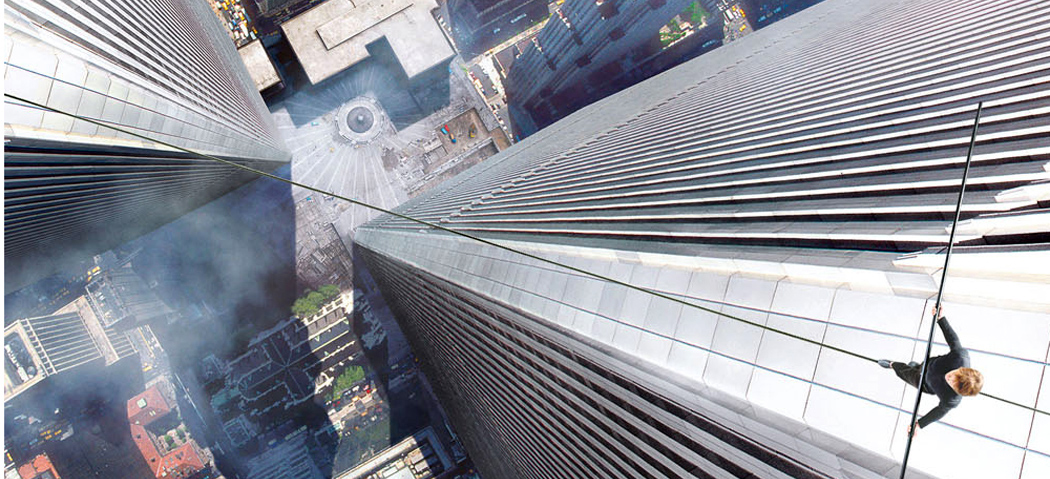
Walk on the wild side...

Walk on the wild side…

Philippe could just as easily be talking about the film that surrounds him. Director Robert Zemeckis might be best known for his work on Back to the Future, but a lot of his twenty-first century filmography has been fixated upon the unreal; Zemeckis has become known for his fascination with motion-capture and computer-generated imagery, the illusive pursuit of verisimilitude through the uncanny valley. The special effects used to realise The Walk are superb and top of the line, but there remains a feeling of unreality to the whole film.

It would be impossible to film The Walk in a real location using real stunts. The Walk is an ode to New York City, but to a version of New York City that no longer exists. Tourists cannot visit it, although perhaps it might be found on a postcard or trapped in a photo. The Walk cleverly and consciously refuses to downplay that feeling of unreality, feeling almost like a nostalgic memory recalled through the fog of time. Philippe Petit’s tightrope walk between the Twin Towers was so effective because it was real; The Walk is so effective precisely because it is unreal.
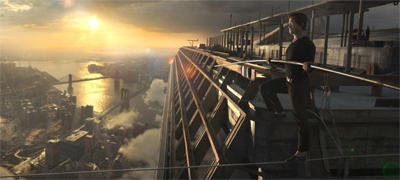
Stepping out...

Stepping out…

Continue reading

The X-Files – Brand X (Review)

This September, we’re taking a trip back in time to review the seventh season of The X-Files and the first (and only) season of Harsh Realm.

Watching the seventh season of The X-Files only reinforces the sense that the production team got extremely lucky with the casting of David Duchovny and Gillian Anderson. The chemistry between the two actors has carried more than a few weak scripts across the seventh season. Lighter shows like Rush, The Goldberg Variation and The Amazing Maleeni were all able to coast off the charm of the pair. It doesn’t matter that the plot resolution in an exposition dump from Mulder when you end on Scully attempting a magic trick. However, this works both ways.

It the seventh season coasts of the charisma of David Duchovny and Gillian Anderson, this means that their inevitable absences are keenly felt. As The X-Files had become more popular, the demand upon Duchovny and Anderson had grown greater; most obviously, the show had dropped its production order from twenty-four to twenty-two episodes. Even allowing for that, the show could no longer make the same demands of Duchovny and Anderson that it had made in the first four seasons. Nor could they simply produce less television.

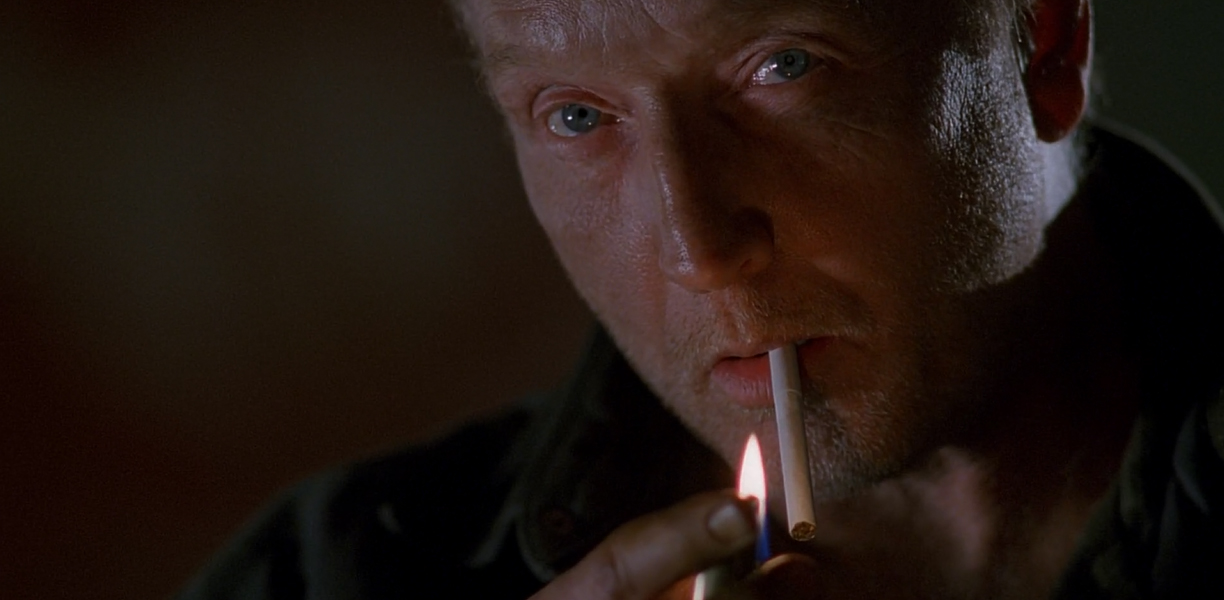
Smoke 'em if you got 'em...

Smoke ’em if you got ’em…

As a result, there are points in the show’s run when either (or both) David Duchovny and Gillian Anderson are unavailable. There are extended periods of the final two seasons that do not feature David Duchovny in any significant capacity. However, even within the seventh season, there are episodes where both leads are unable to fill the narrative space allocated to the lead characters. Gillian Anderson was largely absent from Chimera while working on all things; David Duchovny was largely absent from all things while working on Hollywood A.D.

It is these absences which suggest an uncomfortable truth about The X-Files. The show might have its own chemical dependencies. In a metaphor stretched in an effort to tie it all back to Brand X, the audience might rely on Duchovny and Anderson as surely as a smoker relies on their quick nicotine fix. Any attempt to genetically reengineer the show to ensure a healthier and longer life could easily end up creating a monster.

Talk about a looming legal face-off...

Talk about a looming legal face-off…

Continue reading

Non-Review Review: The Intern

The Intern is a likeable, competent movie about likeable, competent people doing likeable, competent things.

What is most remarkable about Nancy Meyers’ latest effort is the fact that there is no real tension at play here. Sure, there’s a three-act structure; there are revelations; there are insecurities; there is crying. However, it seems like everybody in the movie wants nothing more than to get along with everybody else in the movie. Sure, there are the obligatory comedy screw-ups and miscommunication, but there’s never a real sense of risk or stakes as the movie wanders politely from one work-related crisis to another.

Nobody gets too bent out of shape...

Nobody gets too bent out of shape…

It is not an approach that makes for particularly compelling or exciting viewing. Indeed, the characters populating The Intern seem terrified about the idea of getting anybody’s blood pressure up; whether that of septuagenarian Ben Whittaker or the prickly mother of executive Jules Ostin. Everybody involved in The Intern, including the characters themselves, are professionals. Sure, mistakes happen and people mess up, but it’s not the end of the world. There is something oddly comforting in that, even if nobody watching The Intern will be on the edge of their seat.

In the end, The Intern is a lot like the eponymous character; it is steady and reliable, amicable and inoffensive. It looks smart and it knows just what to say. Everybody’s just wary about getting that heart beating a little too hard.

"You feel tense..."

“You feel tense…”

Continue reading

Harsh Realm – Kein Ausgang (Review)

This November, we’re taking a trip back in time to review the seventh season of The X-Files and the first (and only) season of Harsh Realm.

So, what does an average episode of Harsh Realm look like?

After all, the show was cancelled after only three episodes had been broadcast. Those three episodes were all written by the creator, and formed something of a loose introduction to the show. Inga Fossa ended with our protagonist finally accepting his place in the virtual world and his mission to defeat General Omar Santiago before the dictator can destroy the real world. There is a sense that the show had yet to even demonstrate what a regular episode of Harsh Realm might look like. It was over before it had even begun.

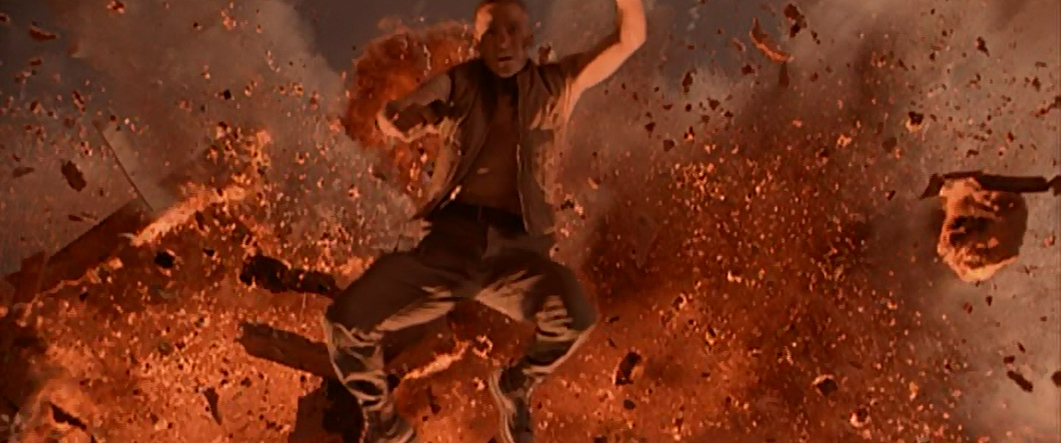
Jumping into action...

Jumping into action…

Kein Ausgang is the first episode of Harsh Realm to be written by somebody other than Chris Carter. As such, it is an important milestone in the development of the series. It is also the first of two episodes written by Steven Maeda, who would prove to be a pretty reliable set of hands in the life of the young show. Based on his contributions to Harsh Realm, it is easy to see why Carter drafted Maeda over to The X-Files in the wake of Harsh Realm‘s cancellation, even if his contributions to that show were a little more uneven.

Kein Ausgang offers an interesting glimpse of what Harsh Realm might have looked like going forward, if Fox had waited more than three episodes to cancel the show.

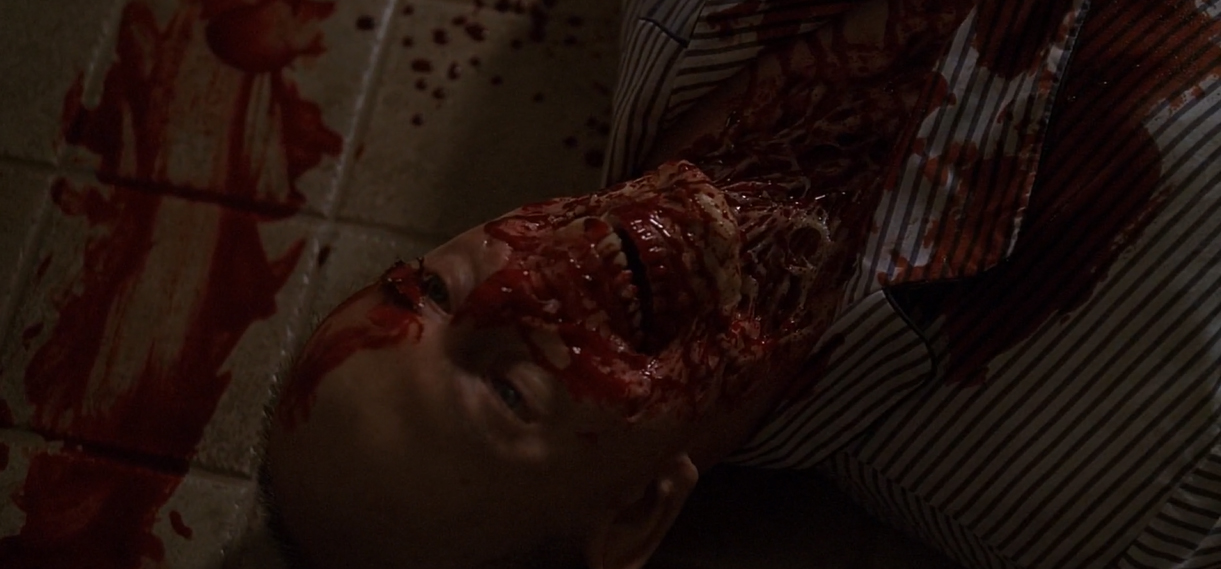
Shining a light on it...

Shining a light on it…

Continue reading

The X-Files – all things (Review)

This September, we’re taking a trip back in time to review the seventh season of The X-Files and the first (and only) season of Harsh Realm.

Say what you will about The X-Files, but the show was never afraid to be weird.

all things is a very odd piece of television. It is moody and atmospheric, philosophical and meandering. It is hard to contextualise, even within the framework of a season as eccentric and disjointed as the seventh season of The X-Files. It doesn’t really work, but that’s not a big problem. The seventh season is full of episodes that don’t quite work. There is definite ambition here, and a clear desire to say something that means something to actor (and director and writer) Gillian Anderson.

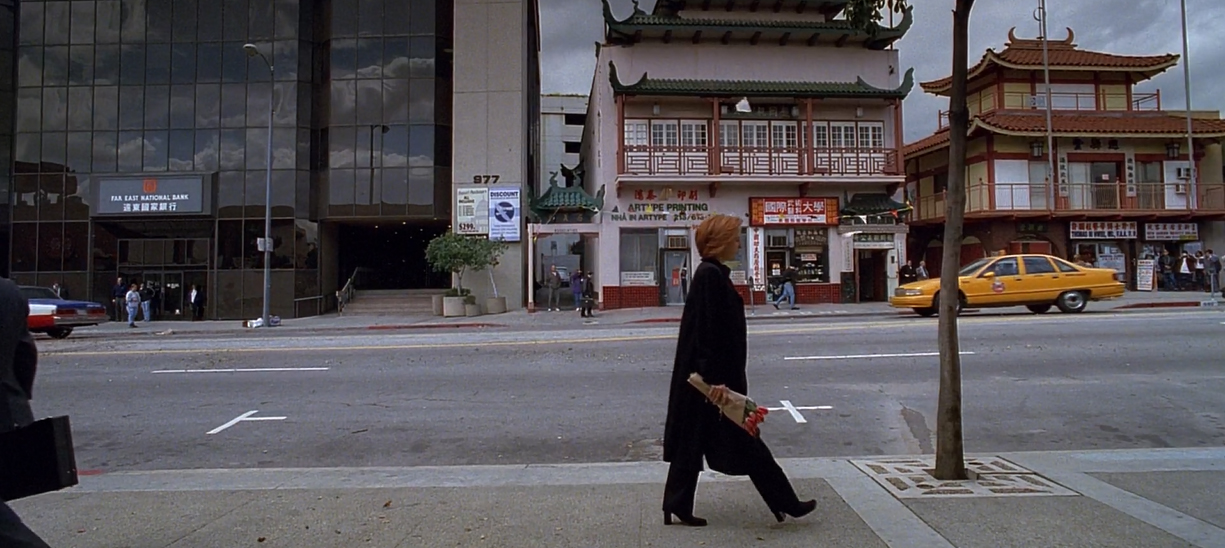
Walk o' life...

Walk o’ life…

Anderson exerts a very conscious gravity over all things. She is not the first actor to write and direct an episode of The X-Files, but she is the first to write and direct an episode centring on her character. all things is an episode written and directed by Gillian Anderson, with a heavy emphasis on Scully. This is as close to a treatise on the character as the actress is ever likely to produce. Perhaps this accounts for the heavy atmosphere and solemn tone of the piece.

all things is a mess of an episode, but it is an interesting mess. It is an episode that feels consciously at odds with both the show around it and the character at its centre. It is an awkward (and occasionally ridiculous) piece of television, but it looks and feels utterly unlike any other episode of The X-Files. That has to count for something.

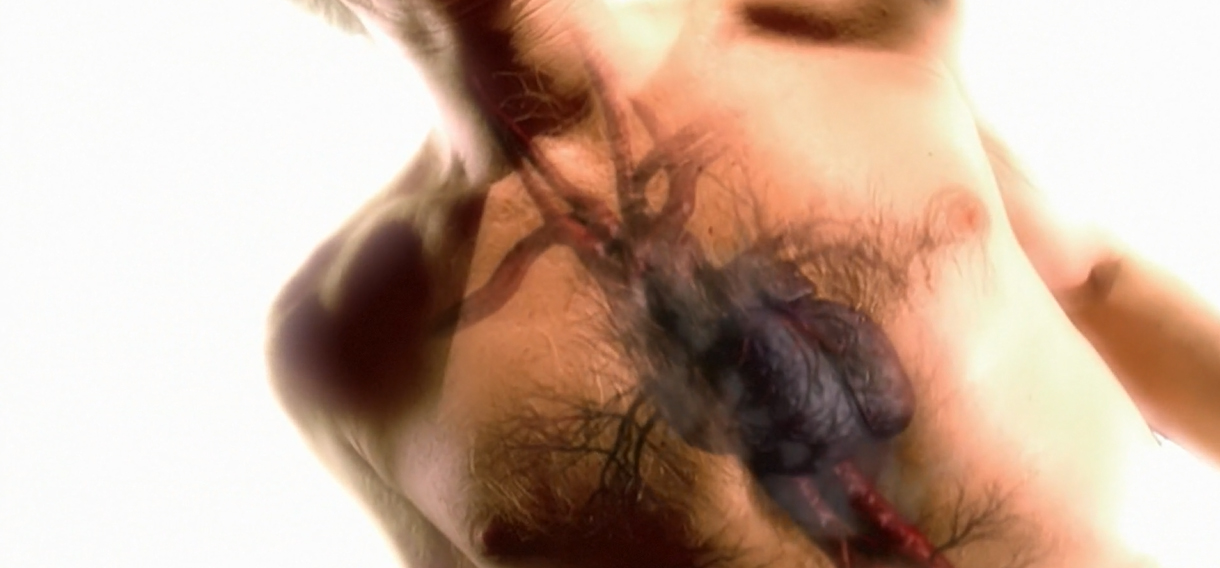
The beating of the world's heart...

The beating of the world’s heart…

Continue reading

Non-Review Review: Hotel Transylvania 2

Hotel Transylvania 2 certainly has some moves.

The film might be computer animated, but director Genndy Tartakovsky draws from more a classic style of cartooning. There are several points in Hotel Transylvania 2 where it seems like the film has reverted to a two-dimensional style, with figures standing in silhouette against the background. Even the human characters of Hotel Transylvania 2 take on an elasticity, stretching and distorting in the style of classic Looney Tunes. Hotel Transylvania 2 gets considerable mileage out of this slapstick element.

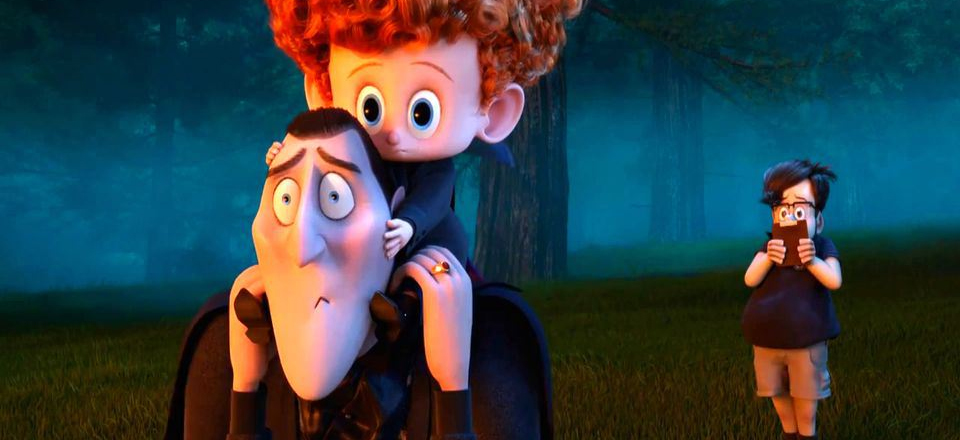
Drac pack's back...

Drac pack’s back…

It helps that the film is packed with gags. Not all the jokes land as well as they might, with the film leaning a little too heavily on some particularly cheap shots, but there is a sense that Hotel Transylvania 2 is more concerned with getting those jokes into the film than it is with actually constructing a narrative around them. The film packs an impressive quantity of humour into its ninety-minute runtime, with nothing in the film being allowed to overstay its welcome.

That said, the movie hits some speedbumps when it comes to plot and characterisation. Some of these issues are simply structural, with Hotel Transylvania 2 eschewing all but the most basic of set-up and pay-off in favour of energetic cut-away jokes and quick sight gags. Some of the issues are tonal, with the film wrapping up some very uncomfortable plot developments and decisions with a simple “all’s well that ends well” conclusion that ultimately avoids delving too deeply into any of the implications of certain characters’ actions.

Vamping it up...

Vamping it up…

Continue reading

Doctor Who: The Witch’s Familiar (Review)

“Of course, the real question is where I got the cup of tea. Answer: I’m the Doctor, just accept it.”

– the Doctor tells it how it is

As is the norm for Moffat-era Dalek episodes, The Witch’s Familiar is a mess… but it is an interesting mess.

The Witch’s Familiar works best as a collection of intersecting character moments than a narrative in its own right. In some respects, The Witch’s Familiar feels like a season premiere in the same way that The Magician’s Apprentice did; it is light and breezy, with more energy devoted to character dynamics than to dramatic stakes. The Witch’s Familiar is quite blatantly set-up; it is all about establishing things that might possibly become more important later on. Davros is revived; the Hybrid is mentioned; Skaro is back in play.

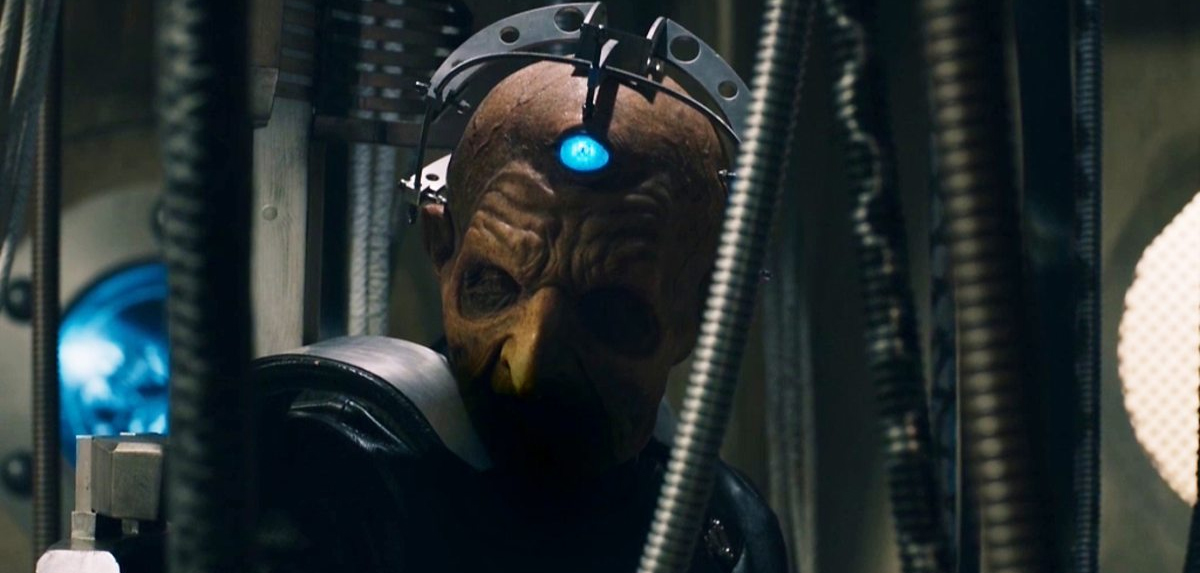
Destiny of the Davros...

Destiny of the Davros…

The plot is all over the place, with Moffat’s script avoiding retreading old thematic ground about “the Oncoming Storm” and justifiable genocide by barely alluding to the moral quandaries that The Magician’s Apprentice set-up. When Davros alludes to the idea of the Doctor wiping out the Daleks through a single act of murder, or harnessing all that power for his own ends, it feels like Davros is just barreling through a check list of cheap shots that any major adversary is expected to land when facing the Doctor. The Dalek Emperor did it more convincingly in The Parting of the Ways.

Still, this familiarity does allow The Witch’s Familiar to lock the Doctor and Davros in a room together for an extended period of time. It affords the pair the chance to trade barbs and to understand one another in a way that no previous story has attempted. One of the more interesting aspects of a season of ninety-minute stories told across multiple episodes in 2015 is that the format is remarkably different than a season of ninety-minute stories told across multiple episodes in 1989. This is a season of serialised stories, but it is not a return to the classic model.

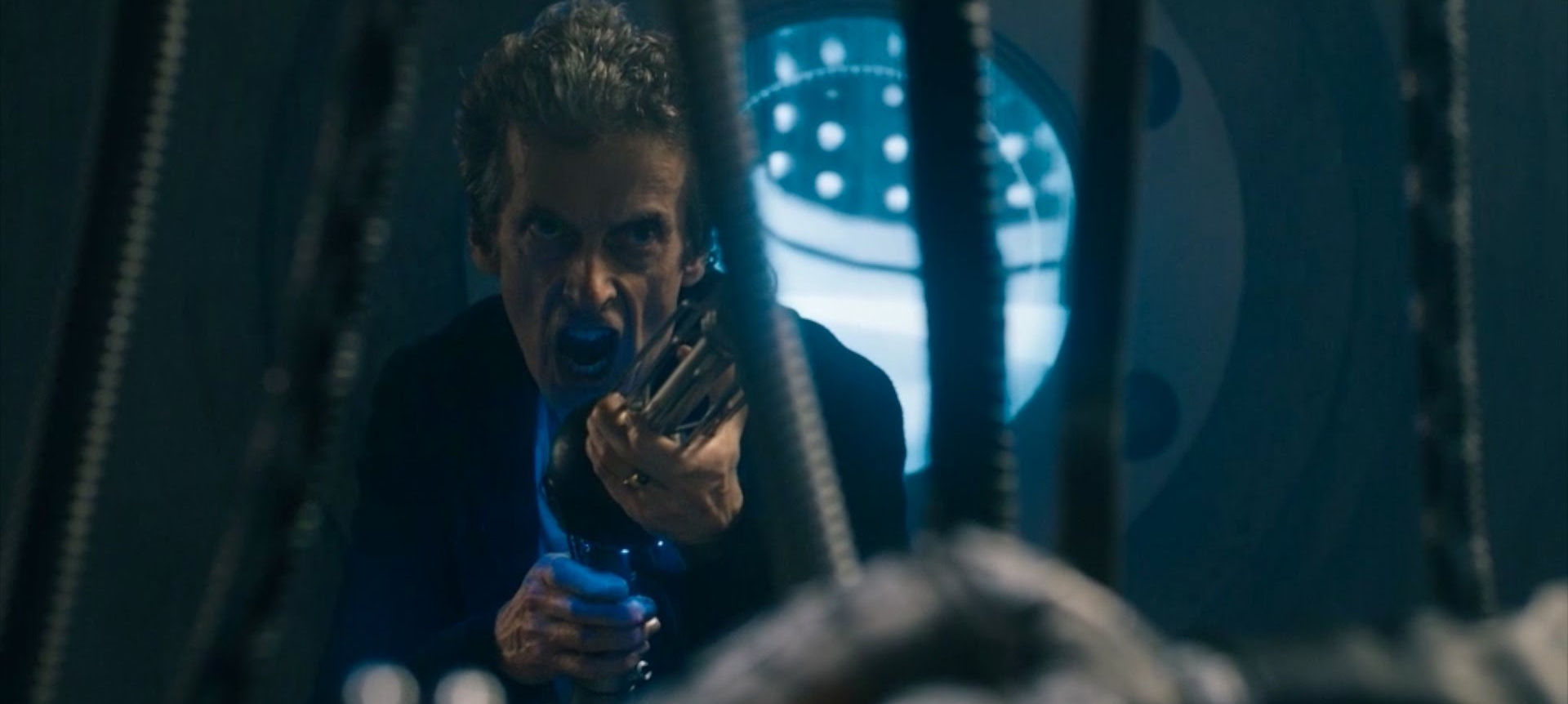
Exterma- wait a minute!

Exterma- wait a minute!

The classic series would never have been able to pull off this sort of quiet and understated interaction between the Doctor and Davros. The nature of a classic Dalek story was to build to a climax of the Doctor and Davros screaming at each other across the room; the pleasure of The Witch’s Familiar is the space that it affords both characters to move past the shouting and to something towards mutual comprehension. It helps that The Witch’s Familiar has two fantastic central performers in Peter Capaldi and Julian Bleach.

The Witch’s Familiar might be yet another example of the Moffat era trying and failing to construct an entirely functional Dalek story, but it is quite possibly the single best Davros story ever told. (Give or take a Revelation of the Daleks.)

Shades of grey...

Shades of grey…

Continue reading

Non-Review Review: Ghosthunters on Icy Trails

Ghosthunters on Icy Trails is derivative as anything.

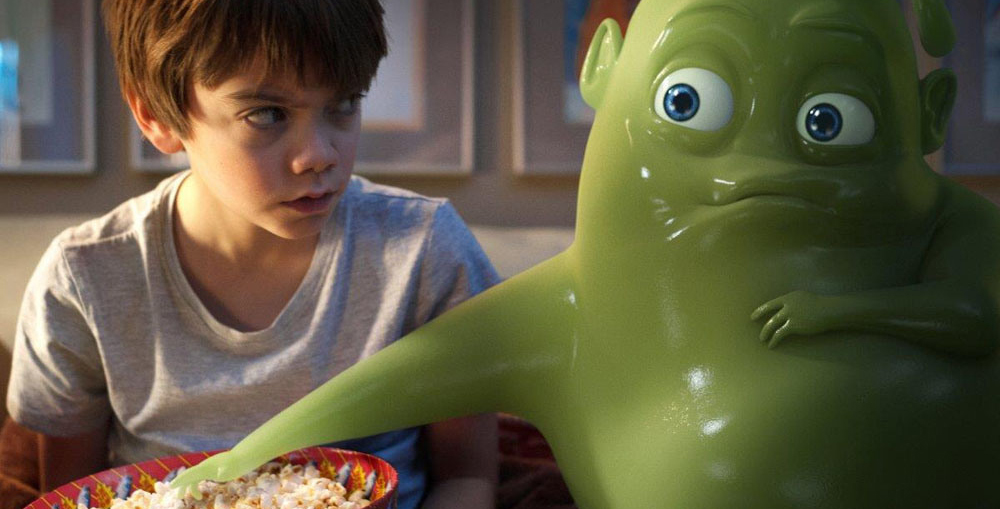
The movie walks a very thin line between knowing self-aware homage and cynical appropriation. The movie’s script draws attention to many of its influences and inspirations, but there is frequently a feeling that many of these ideas and images worked much better the first time around. There some nice gags in there, and two solid central performances from Milo Parker and Anke Engelke, but Ghosthunters on Icy Trails frequently feels like a featherweight imitation of much more entertaining family films.

Pass the popcorn...

Pass the popcorn…

Continue reading

The X-Files – Chimera (Review)

This September, we’re taking a trip back in time to review the seventh season of The X-Files and the first (and only) season of Harsh Realm.

There is a sense of fatigue about the seventh season of The X-Files.

It makes a certain amount of sense. After all, seven years is a long time in television. It is a particularly long time when the staff are churning out more than twenty episodes in a year. One hundred episodes is typically considered the threshold for syndication success, but The X-Files crossed that with Unusual Suspects back in the fifth season. By this point, The X-Files is comfortably past one hundred and fifty episodes of television. That is a lot of television. Assuming one were to watch it straight through, that’s nearly five straight days of television.

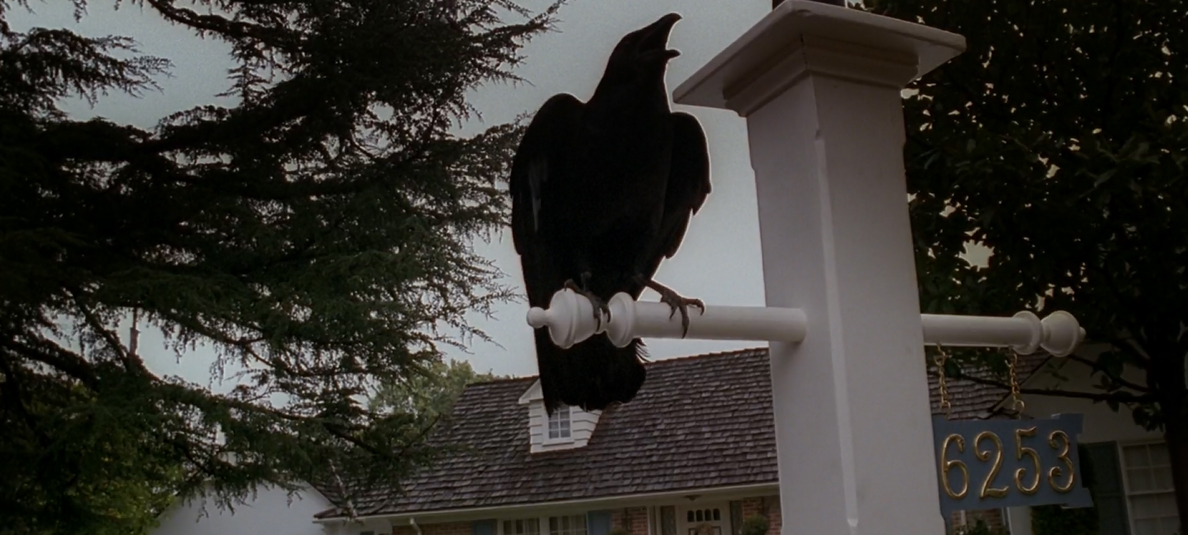
Quoth the raven...

Quoth the raven…

There comes a point where it feels old and outdated, where the sense of novelty and excited has faded to familiarity and dull routine. There comes a point where it feels like there is not much to talk about, because the show has already said a lot of what it has to say about a particular subject. It could be described as a “seven-year-itch”, but there is a reason why shows that last longer than seven seasons tend to rotate actors and producers more frequently than The X-Files has. Occasionally a blood transfusion is necessary to reoxygenate the blood.

Chimera is a perfectly solid episode of television. It is produced to the high standards of The X-Files, directed very well, and written in an efficient manner. However, it feels like it is covering a lot of well-trodden ground for the show with nothing new to say. Chimera feels like it is simply echoing sentiments the show had clearly articulated as recently as the sixth season; a curious blend of Terms of Endearment and Arcadia, but without the novelty or nuance of either. The X-Files has begun to feel as familiar as the rows of suburban houses it so fears.

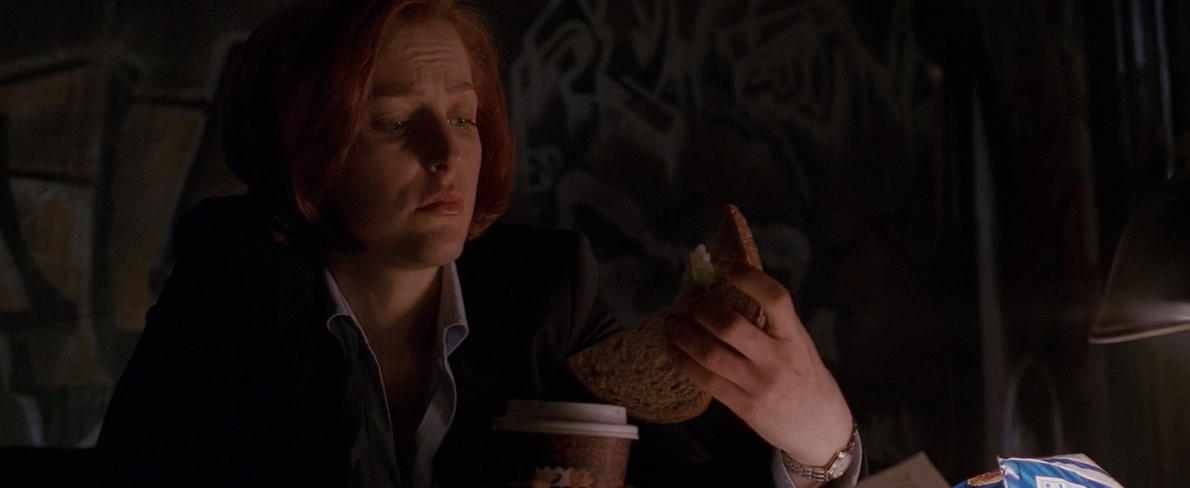
Food for thought...

Food for thought…

Continue reading

Non-Review Review: The Martian

The beauty of The Martian lies in its relative simplicity. Although it runs a solid two-hours-and-twenty-minutes, the film seems a lot faster than many of its contemporaries because it keeps its eyes on a very simply central dynamic. Within the opening five minutes, the movie’s status quo is established with breathless efficiency; astronaut Mark Whatney is left for dead on the surface of Mars, and must struggle to survive as the entire planet figures out how to get him back alive.

The premise is very straightforward, and seldom gets more complicated than that. Mark tries to figure out how to stay alive as the greatest minds back home work on daring plans to establish communication and possible retrieve the lost astronaut. Along the way, both Mark and NASA suffer setbacks and reversals; complications abound and dilemmas present themselves. However, The Martian is always anchored in that very basic struggle against overwhelming odds and an indifferent universe.

Is there life on Mars?

Is there life on Mars?

The Martian is something of a genre cocktail. The movie’s tone and plot is perhaps best evoked by reference to Byron Haskin’s 1964 cult classic “Robinson Crusoe on Mars.” Mark’s plight is not too dissimilar to that of the Robert Lewis Stevenson protagonist, nor to that of Chuck Noland in Cast Away or the anonymous protagonist of All is Lost. However, the movie’s stellar setting serves as a gateway to a broader commentary on human codependency and association. Nobody gets there on their own; nobody gets back alone.

The Martian is a surprisingly heartwarming and life-affirming adventure, anchored in a charming central performance from Matt Damon and a very deep ensemble. Despite the massive sense of scale involved, Ridley Scott’s direction and Drew Goddard’s script work hard to keep it all personal. The Martian is a triumph.

Matt Damon was very excited about the film's release...

Matt Damon was very excited about the film’s release…

Continue reading