I published a new In the Frame piece at The Escapist this evening. With Atlanta wrapping up its final season earlier this month, it seemed like a good opportunity to take a look back at one of television’s great liminal spaces.
Creator and lead actor Donald Glover frequently compared the show to Twin Peaks and The Sopranos, two very interesting choices for a show that has the basic structure of a sitcom built around four central characters. However, over the course of its four season, Atlanta became a surrealist study of millennial Black life in the United States, in particular the constant sense of being stuck “between” places without a firm status quo. Atlanta is a show that largely unfolds in shopping centres, nightclubs and hotels, and parties and in altered states. It’s a show that often feels dreamlike, its characters drifting through a chaotic world.
You can read the piece here, or click the picture below.
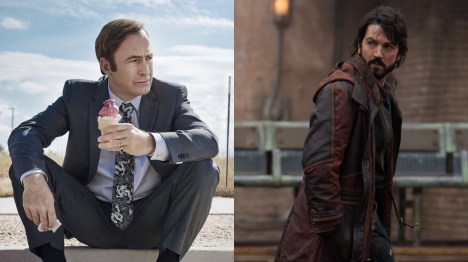
I published a new piece at The Escapist earlier this week. As Andor winds down its first season, garnering rave reviews but not attracting as strong an audience as its predecessors, comparisons come to mind concerning Better Call Saul, which has quietly become one of the best television shows of the decade despite never reaching the same level of popularity as its predecessor.
What do Better Call Saul and Andor have in common? What is it that makes both shows so compelling, but which also makes them a tougher sell to audiences than what came before? Are they both just out of step with the zeitgeist, reflecting a mode of television production that doesn’t have the same cultural cachet that it once did? And, most importantly, does any of that matter if they are both creative triumphs? It’s interesting to explore and unpack.
You can read the piece here, or click the picture below.
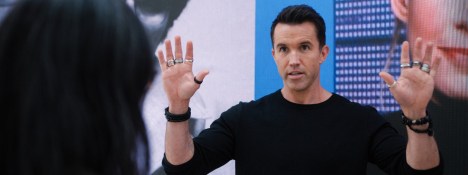
I published a new In the Frame piece at The Escapist this evening. With the third season of Mythic Quest launching last week, it seemed like a good opportunity to take a look at what is quietly one of the best sitcoms on television.
Mythic Quest is a comedy about the idea of creation as a collaborative process, the sense that very few things originate from one mind in particular. As such, the show’s sitcom structure bends around that idea in interesting ways. In particular, the show approaches relationships through the prism of professionalism. Most sitcoms lean into romantic tension between their leads, but Mythic Quest applies that relationship template to a more professional and creative environment, exploring how fulfilling professional relationships can be profoundly fulfilling.
You can read the piece here, or click the picture below.
I am doing weekly reviews of Andor at The Escapist. They’ll be dropping every Wednesday evening while the show is on, looking at the Rogue One prequel as it progresses from one episode to the next.
With Daughter of Ferrix, Andor gears up for its season finale. So it seems as good an opportunity to talk about one of the more underrated aspects of the show. Andor has garnered a lot of attention for its writing and plotting, but the show is also one of the best directed shows on television, with its visual language as important to communicating its themes as the dialogue and exposition.
You can read the piece here, or click the picture below.
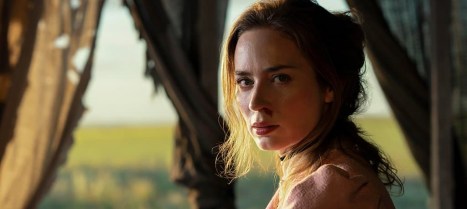
I published a new piece at The Escapist yesterday. This week marks the premiere of The English, a co-production between the BBC and Amazon.
The English is effectively a spaghetti western with a very British sensibility. It is written and directed by Hugo Blick. It stars Emily Blunt, and its supporting cast is populated with British and Irish character actors like Ciarán Hinds, Toby Jones, Rafe Spall and Stephen Rea. However, it is a thoughtful exploration of the genre, and an obvious love letter to the exploitation movies of the sixties and seventies. The show is occasionally a little to reverent to its inspirations, but it is beautifully shot and deeply moving, anchored in two great central performances from Chaske Spencer and Emily Blunt.
You can read the piece here, or click the picture below.
I published a new In the Frame piece at The Escapist this evening. With the recent launch of Netflix’s ad-supported tier, it seemed as good a time as any to take a look at the larger trends in contemporary streaming.
Streaming services have moved away from the binge model. They have become more transparent in their ratings. They have begun scheduling the release of particular episodes across various days of the week. They have even begun releasing some episodes in prime time. The plotting on these shows has become a lot more reminiscent of turn of the millennium zeitgeisty mystery box shows than early streaming stories. All of this is to suggest that the future of streaming seems to look a lot like old-fashioned television.
You can read the piece here, or click the picture below.
I published a new In the Frame piece at The Escapist last week. With Andor continuring to be very good, it seemed as good an opportunity as any to talk about the show’s unique aesthetic, and how that relates to the original Star Wars.
Andor manages to thread a very fine line. It takes the audience to places that were largely unseen in the original trilogy, from prison planets to remote highlands to sprawling urban centres. However, it does this in a way that manages to feel faithful to the aesthetic of the original films. It does this by embracing the culture and aesthetics of the era around those movies, embracing a version of the science-fiction world that feels very much in step with seventies cinema. The result is something that manages to feel both part of the larger Star Wars universe and also something new to it, while remaining very contemporary.
You can read the piece here, or click the picture below.
I’m thrilled to be launching movie and television reviews on The Escapist. Over the coming weeks and months, I will be joining a set of contributors in adding these reviews to the channel. For the moment, I’m honoured to contribute a five-minute film review of the third season of Lower Decks, which is on Paramount Plus.
I am doing weekly reviews of Andor at The Escapist. They’ll be dropping every Wednesday evening while the show is on, looking at the Rogue One prequel as it progresses from one episode to the next.
Nobody’s Listening! continues the third arc of this first season, largely built around Cassian Andor’s trip to the penal facility on Narkina 5. However, the episode also builds out from that idea, suggesting that Andor isn’t the only character on his show to be trapped. In their own ways, the various other leads have also been imprisoned by the Empire, locked in depressing and suffocating situations with no tangible possibility of release. Andor argues that all of its characters live in cages, some are just nicer than others.
You can read the piece here, or click the picture below.
We’re thrilled to be launching a fortnightly video companion piece to In the Frame at The Escapist. The video will typically launch every second Monday, and be released on the magazine’s YouTube channel. And the video will typically be separate from the written content. This is kinda cool, because we’re helping relaunch the magazine’s film content – so if you can throw a subscription our way, it would mean a lot.
This week, we took a look at The Rings of Power, the prequel series to The Lord of the Rings. In particular, the way that it is built around so many mystery boxes. It’s a problem facing a lot of modern franchise media, where these shows attempt to keep audiences hooked by building elaborate mystery boxes around established lore. The mystery box was a problem for early serialized television at the turn of the millennium, and it is a shame to see it return in the streaming age of franchise media, where the answer is always nostalgia.


















 the m0vie blog