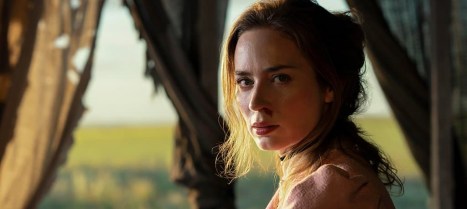
I published a new piece at The Escapist yesterday. This week marks the premiere of The English, a co-production between the BBC and Amazon.
The English is effectively a spaghetti western with a very British sensibility. It is written and directed by Hugo Blick. It stars Emily Blunt, and its supporting cast is populated with British and Irish character actors like Ciarán Hinds, Toby Jones, Rafe Spall and Stephen Rea. However, it is a thoughtful exploration of the genre, and an obvious love letter to the exploitation movies of the sixties and seventies. The show is occasionally a little to reverent to its inspirations, but it is beautifully shot and deeply moving, anchored in two great central performances from Chaske Spencer and Emily Blunt.
You can read the piece here, or click the picture below.
I published a new In the Frame piece at The Escapist this evening. With the recent launch of Netflix’s ad-supported tier, it seemed as good a time as any to take a look at the larger trends in contemporary streaming.
Streaming services have moved away from the binge model. They have become more transparent in their ratings. They have begun scheduling the release of particular episodes across various days of the week. They have even begun releasing some episodes in prime time. The plotting on these shows has become a lot more reminiscent of turn of the millennium zeitgeisty mystery box shows than early streaming stories. All of this is to suggest that the future of streaming seems to look a lot like old-fashioned television.
You can read the piece here, or click the picture below.
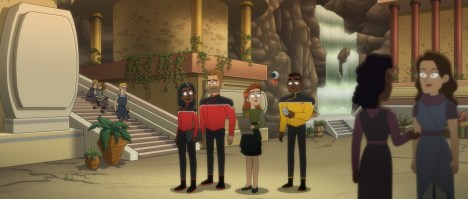
I’m thrilled to be launching movie and television reviews on The Escapist. Over the coming weeks and months, I will be joining a set of contributors in adding these reviews to the channel. For the moment, I’m honoured to contribute a five-minute film review of the third season of Lower Decks, which is on Paramount Plus.
I am doing weekly reviews of Andor at The Escapist. They’ll be dropping every Wednesday evening while the show is on, looking at the Rogue One prequel as it progresses from one episode to the next.
Nobody’s Listening! continues the third arc of this first season, largely built around Cassian Andor’s trip to the penal facility on Narkina 5. However, the episode also builds out from that idea, suggesting that Andor isn’t the only character on his show to be trapped. In their own ways, the various other leads have also been imprisoned by the Empire, locked in depressing and suffocating situations with no tangible possibility of release. Andor argues that all of its characters live in cages, some are just nicer than others.
You can read the piece here, or click the picture below.
We’re thrilled to be launching a fortnightly video companion piece to In the Frame at The Escapist. The video will typically launch every second Monday, and be released on the magazine’s YouTube channel. And the video will typically be separate from the written content. This is kinda cool, because we’re helping relaunch the magazine’s film content – so if you can throw a subscription our way, it would mean a lot.
This week, we took a look at The Rings of Power, the prequel series to The Lord of the Rings. In particular, the way that it is built around so many mystery boxes. It’s a problem facing a lot of modern franchise media, where these shows attempt to keep audiences hooked by building elaborate mystery boxes around established lore. The mystery box was a problem for early serialized television at the turn of the millennium, and it is a shame to see it return in the streaming age of franchise media, where the answer is always nostalgia.
I’m thrilled to be launching movie reviews on The Escapist. Over the coming weeks and months, I will be joining a set of contributors in adding these reviews to the channel. For the moment, I’m honoured to contribute a five-minute film review of the first season of House of the Dragon, which is on HBO Max.
I am doing weekly reviews of Andor at The Escapist. They’ll be dropping every Wednesday evening while the show is on, looking at the Rogue One prequel as it progresses from one episode to the next.
Following on from the bridge episode Announcement, Narkina 5 kicks off what looks to be another three-episode arc for the show. Written by Beau Willimon, the episodes digs deep into one of the recurring fascinations of Andor. The show is fascinated by the ideology of the Empire, but that extends beyond its imperialism and fascism. Indeed, like a lot of the work of showrunner Tony Gilroy, Andor suggests that the evils of this organization are a manifestation of late capitalism, and the way in which that ideology is designed to drive competition rather than collaboration.
You can read the piece here, or click the picture below.
I published a new piece at The Escapist last week. We’re doing a series of recaps and reviews of Star Trek: Lower Decks, which is streaming weekly on Paramount+ in the States and on Amazon Prime in the United Kingdom. The penultimate episode of the third season released last week, and it seemed like a good opportunity to take a look at the series.
With the end of the third season fast approaching, there is an interesting shift taking place in Lower Decks. The animated show is built around Star Trek fan services, driven and shaped by continuity references to earlier shows in the franchise, particularly those from the nineties. As the seasonw raps up, it is interesting to see Lower Decks embrace the idea of continuity itself. Trusted Sources is an episode that explores evolving Star Trek continuity from the early episodes of Star Trek: The Next Generation to the final sweeping epic of Star Trek: Deep Space Nine, and finds continuity within Lower Decks.
You can read the piece here, or click the picture below.
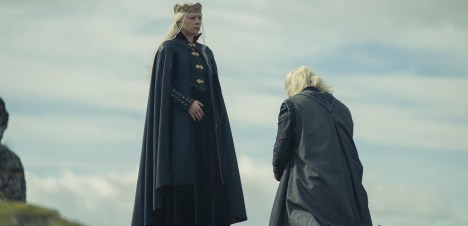
I am doing weekly reviews of House of the Dragon at The Escapist. They’ll be dropping every Sunday evening while the show is on, looking at the Game of Thrones prequel as it progresses from one episode to the next. This week marked the season finale.
One of the interesting tensions of the first season of House of the Dragon is the way that the show has somewhat weighted the audience’s sympathy. The show is undeniably in favour of Queen Rhaenyra’s ascent to the throne. However, what is interesting about The Black Queen is the way in which the episode is built around the idea that the individual intent of any one individual, no matter how decent or how powerful, is not enough to stop the mechanisms of state violence. Rhaenyra may not want a war, but what Rhaenyra wants may not matter.
You can read the piece here, or click the picture below.
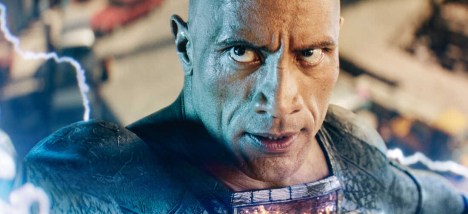
I published a new In the Frame piece at The Escapist on Friday. The big release of the week was Black Adam, the superhero blockbuster starring Dwayne Johnson as the eponymous antihero.
Part of what makes Black Adam so fascinating is the sense in which it exists between two very different styles of big budget Hollywood production. Most obviously, it’s a big and bombastic superhero blockbuster, albeit one built around a less well-known character. However, it also feels like an old style of blockbuster. It feels very much like a superhero vanity project for Dwayne Johnson, an effort to tie his star power into its own high-profile intellectual property.
You can read the piece here, or click the picture below.


















 the m0vie blog