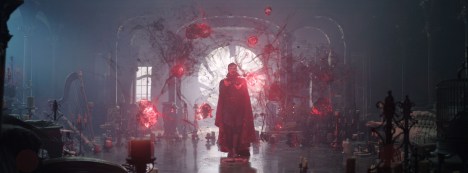
I published a new In the Frame piece at The Escapist this evening. With the looming release of Doctor Strange in the Multiverse of Madness, it seemed like a good time to reflect on how so much of the fate of the Marvel Cinematic Universe came to rely on he sequel to Doctor Strange.
Doctor Strange was a solid midtier entry in the Marvel Cinematic Universe. It was warmly, but not raptuously, received by both audiences and critics. However, there is something fascinating in how the studio has positioned Doctor Strange in the Multiverse of Madness as essentially the franchise’s first true “event” movie since Avengers: Endgame. Indeed, there’s a surprising amount riding on the film, following the performance of the previous three Marvel Studios films and the success of Spider-Man: No Way Home and The Batman.
You can read the piece here, or click the picture below.
I’m thrilled to be launching movie reviews on The Escapist. Over the coming weeks and months, I will be joining a set of contributors in adding these reviews to the channel. For the moment, I’m honoured to contribute a three-minute film review of Sonic the Hedgehog 2, which is in theatres in the U.K. and Ireland on Friday and in the United States next week.
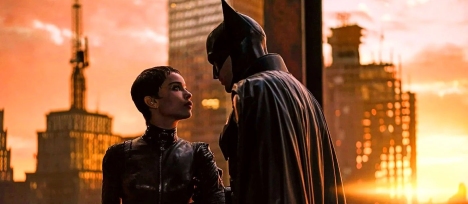
I published a new In the Frame piece at The Escapist on Friday. With the release of The Batman this weekend, it seemed a good opportunity to take a look at the film, and what it says about the state of the superhero genre.
The superhero genre is arguably the dominant mode of American blockbuster cinema, the prism through which the populist form must be viewed in its present incarnation. Perhaps the superhero is best understood as a descendent of the classic pop archetypes like the cowboy or the gangster. However, very few superhero films actively engage with what that transition actually means, what makes the superhero a more modern American archetype than the cowboy or the gangster. The Batman is the rare superhero movie engaged with this question.
You can read the piece here, or click the picture below.
I published a new piece at The Escapist this evening. We’re doing a series of recaps and reviews of Star Trek: Picard, which is streaming weekly on Paramount+. The second season premiere released this week, and it seemed like a good opportunity to take a look at the series.
The second season premiere of Picard is a much more openly nostalgic affair than the previous season had been. While the previous season often found itself caught between the past and the future, the second season seems to turn its gaze more earnestly backwards. It’s a complicated and somewhat flawed show, often retreating from the more interesting implications of its big ideas, but Picard is at least interested in grappling with the legacy of Star Trek: The Next Generation, and exploring why the utopian future it promised audiences seemed to slip from grasp.
You can read the piece here, or click the picture below.
I published a new In the Frame piece at The Escapist yesterday evening. With The Batman releasing this weekend, it seemed like a good opportunity to take a look at Matt Reeves’ take on the Caped Crusader.
Reeves has discussed the influence of seventies cinema on The Batman. The film draws heavily from paranoid films of the era, movies like The French Connection, Klute and The Conversation. However, it is more than just nostalgia at play. The Batman finds an interesting thematic overlap between the seventies and the present day, particularly in its recurring fascination with voyeurism and surveillance. The Batman is many things, but it’s also a story about the importance of looking into the darkness, but realising that looking alone is not enough.
You can read the piece here, or click the picture below.
The Escapist have launched a new pop culture podcast, and I was thrilled to join Jack Packard for the sixth episode. Jack and I get to rank the live action Batmen, in preparation for the upcoming release of The Batman.
I published a new In the Frame piece at The Escapist earlier this week. With the release of Texas Chainsaw Massacre on Netflix, it seemed like a good opportunity to take a look back at the larger franchise spawned from The Texas Chain Saw Massacre.
The Texas Chain Saw Massacre is one of the defining horror movies of the seventies, an innovative and influential low-budget indie that demonstrated what was possible outside the mainstream production machine. However, few horror classics have been as poorly served by the sequels that followed as The Texas Chain Saw Massacre. While most other major horror franchises can boast a genuine (or even just cult) classic among their sequels, the sequels to The Texas Chain Saw Massacre have been a slow and brutal slog into generic horror nonsense. Texas Chainsaw Massacre is just the latest stop on that journey.
You can read the piece here, or click the picture below.
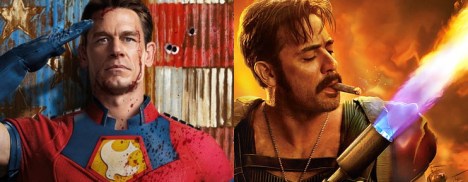
I published a new In the Frame piece at The Escapist this evening. With the penultimate episode of Peacemaker released this week, it seemed like a good opportunity to take a look at how the show – along with a lot of James Gunn’s work – exists in conversation with Alan Moore and Dave Gibbons’ Watchmen.
Gunn has been very candid that Watchmen is a major influence on his films, particularly his superhero films. However, what’s most striking about Gunn’s use of Watchmen as a source of inspiration is the fact that he actually engages with the text. Many of Gunn’s projects, particularly The Suicide Squad and Super, are very much in conversation with Watchmen, asking what that core text means in a slightly different modern context. That is just as true of Peacemaker, which not only draws from the comics that inspired Watchmen, but also extrapolates boldly out from Watchmen.
You can read the piece here, or click the picture below.
I published a new piece at The Escapist this evening. We’re doing a series of recaps and reviews of James Gunn’s Peacemaker, which is streaming weekly on HBO Max. The seventh and penultimate episode of the show released this week, and it seemed like a good opportunity to take a look at the series.
Much of the discussion around the show has focused on the soundtrack, with James Gunn drawing heavily from hair metal bands. This gives the soundtrack a unique texture in the modern superhero genre, but it also plays into the larger themes of the show itself. The choice of hair metal says a lot about the character of Christopher Smith, particular compared to everything else that the show has told the audience about the protagonist. Indeed, hair metal suggests something close to a path to redemption for a character who struggled to find other means of escape and exposure.
You can read the piece here, or click the picture below.


















 the m0vie blog
New Escapist Column! In the “Texas Chainsaw Massacre” Franchise…
I published a new In the Frame piece at The Escapist earlier this week. With the release of Texas Chainsaw Massacre on Netflix, it seemed like a good opportunity to take a look back at the larger franchise spawned from The Texas Chain Saw Massacre.
The Texas Chain Saw Massacre is one of the defining horror movies of the seventies, an innovative and influential low-budget indie that demonstrated what was possible outside the mainstream production machine. However, few horror classics have been as poorly served by the sequels that followed as The Texas Chain Saw Massacre. While most other major horror franchises can boast a genuine (or even just cult) classic among their sequels, the sequels to The Texas Chain Saw Massacre have been a slow and brutal slog into generic horror nonsense. Texas Chainsaw Massacre is just the latest stop on that journey.
You can read the piece here, or click the picture below.
Filed under: On Second Thought | Tagged: commentary, escapist, gore, horror, in the frame, leatherface, slasher, texas chain saw massacre, the escapist, the texas chainsaw massacre, violence | Leave a comment »