I am doing weekly reviews of Andor at The Escapist. They’ll be dropping every Wednesday evening while the show is on, looking at the Rogue One prequel as it progresses from one episode to the next.
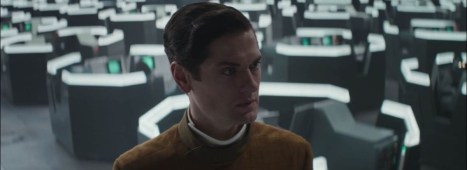
Nobody’s Listening! continues the third arc of this first season, largely built around Cassian Andor’s trip to the penal facility on Narkina 5. However, the episode also builds out from that idea, suggesting that Andor isn’t the only character on his show to be trapped. In their own ways, the various other leads have also been imprisoned by the Empire, locked in depressing and suffocating situations with no tangible possibility of release. Andor argues that all of its characters live in cages, some are just nicer than others.
You can read the piece here, or click the picture below.
I am doing weekly reviews of Andor at The Escapist. They’ll be dropping every Wednesday evening while the show is on, looking at the Rogue One prequel as it progresses from one episode to the next.
Following on from the bridge episode Announcement, Narkina 5 kicks off what looks to be another three-episode arc for the show. Written by Beau Willimon, the episodes digs deep into one of the recurring fascinations of Andor. The show is fascinated by the ideology of the Empire, but that extends beyond its imperialism and fascism. Indeed, like a lot of the work of showrunner Tony Gilroy, Andor suggests that the evils of this organization are a manifestation of late capitalism, and the way in which that ideology is designed to drive competition rather than collaboration.
You can read the piece here, or click the picture below.
I am doing weekly reviews of Andor at The Escapist. They’ll be dropping every Wednesday evening while the show is on, looking at the Rogue One prequel as it progresses from one episode to the next.
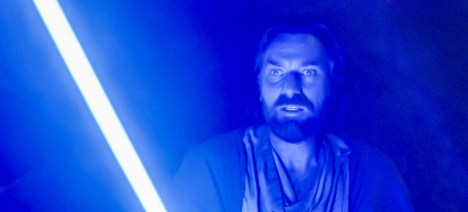
The first six episodes of Andor comprised two three-episode arcs, which seemed like a logic structure for the show going forward. However, the seventh episode of the season is a mostly standalone episode, one that seems largely dedicated to the fallout from the previous adventure. However, it’s also a showcase of what Andor does well, particular when compared to so much modern franchise media. It is a cleverly written and thoughtful episode that advances the show’s characters and themes in interesting and compelling ways.
You can read the piece here, or click the picture below.
We’re thrilled to be launching a fortnightly video companion piece to In the Frame at The Escapist. The video will typically launch every second Monday, and be released on the magazine’s YouTube channel. And the video will typically be separate from the written content. This is kinda cool, because we’re helping relaunch the magazine’s film content – so if you can throw a subscription our way, it would mean a lot.
This week, we took a look at Andor, the new Star Wars streaming show. There are a lot of interesting things about Andor, including how good it is. However, the show also feels like a meditation on Star Wars as a cultural phenomenon. Showrunner Tony Gilroy has talked candidly about how he was never a particular fan of Star Wars, and ended up working on the franchise almost by accident. As such, Andor feels like it is, in some small way, about learning to love Star Wars and to understand what Star Wars is capable of.
We’re thrilled to be launching a fortnightly video companion piece to In the Frame at The Escapist. The video will typically launch every second Monday, and be released on the magazine’s YouTube channel. And the video will typically be separate from the written content. This is kinda cool, because we’re helping relaunch the magazine’s film content – so if you can throw a subscription our way, it would mean a lot.
This week, we took a look at one of the more under-explored and unspoken issues facing the so-called “streaming age.” In an era where there is so much content, and so much content derived from intellectual property that major corporations protect so severely, where are these studios going to find the writers and storytellers to guide these series? One of the more interesting shifts in television over the past decade has been a slow creep away from the idea of it as a writers’ medium, but that shift comes with a surprisingly high cost.
This week, I had the pleasure of stopping by the podcast The Mondaylorians, hosted by Niall Glynn. I was thrilled to get to talk about the fourth episode of Andor, Aldhani.
It’s a broad and fun discussion, one full of tangents that place Andor in the context of the larger Star Wars franchise and pop culture in general. What is it that makes Andor stand out from shows like Obi-Wan Kenobi and The Book of Boba Fett, comparable to She-Hulk and Moon Knight. We also talk about the way in which Andor harks back to George Lucas’ original idea for Star Wars, pasting a science-fantasy veneer over both a loving homage to the pop culture of his youth and a biting piece of social commentary. It’s a good chat.
You can listen below, click the screenshot, listen directly at this link or even listen to back-episodes of The Mondaylorians here.
We’re thrilled to be launching a fortnightly video companion piece to In the Frame at The Escapist. The video will typically launch every second Monday, and be released on the magazine’s YouTube channel. And the video will be completely separate from the written content. This is kinda cool, because we’re helping relaunch the magazine’s film content – so if you can throw a subscription our way, it would mean a lot.
This week, we took a look at a broader cultural trend: the way in which streaming services and the algorithms that drive them are reshaping modern franchise media in a way that makes them more aesthetically conservative. When the algorithm drives studios to push towards recycling familiar ideas and iconography, it discourages any attempt to do something new or interesting with these long-lasting properties. As a result, many of the larger franchises have become hollowed versions of their past glories.
I published a new piece at The Escapist this evening. With the broadcast of the final episode of Obi-Wan Kenobi this week, it seemed like an opportunity to take a look back at the show.
Despite a promising start, Obi-Wan Kenobi descended into a mess of content. The final episode was not a story so much as a collection of demands compiled from what the studio assumed that the internet might want. There were gratuitous callbacks to memetic lines. There were largely redundant cameos. There were battles that just ended in stalement because of the understanding of what had to follow. There was the return of characters who last appeared in the premiere, with the assumption that audiences would care about them because they were “important.”
You can read the piece here, or click the picture below.
We’re thrilled to be launching a fortnightly video companion piece to In the Frame at The Escapist. The video will typically launch every second Monday, and be released on the magazine’s YouTube channel. And the video will be completely separate from the written content. This is kinda cool, because we’re helping relaunch the magazine’s film content – so if you can throw a subscription our way, it would mean a lot.
With the arrival of Obi-Wan Kenobi on streaming, it seems like a good time to take a look back over Disney’s ownership and management of the Star Wars brand. In particular, Solo: A Star Wars Story, which was the moment where everything seemed to go wrong for the company’s vision of the larger franchise. It should be possible to learn from past mistakes, and Solo certainly provides an ample amount of education material, but can Disney learn the right lessons?
I published a new piece at The Irish Independent this evening. With the release of Obi-Wan Kenobi next week, it seemed like a good opportunity to take a look at the slow and steady rehabilitation of the Star Wars prequels.
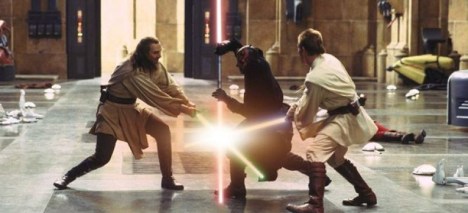
To a certain generation of Star Wars fans, the prequels will always be an abomination. Over the years, the three films have become a punchline to a joke that nobody began, an impression reinforced through popular culture. However, recent years have seen an appreciable shift in how the prequels are portrayed, with fans seeming to come around on the films and Disney seeming to fold them into the larger marketting of the brand. It’s interesting to look at how (and why) that happened.
You can read the piece here, or click the picture below.


















 the m0vie blog