• Following Us

  • Categories

  • Check out the Archives


  • Awards & Nominations

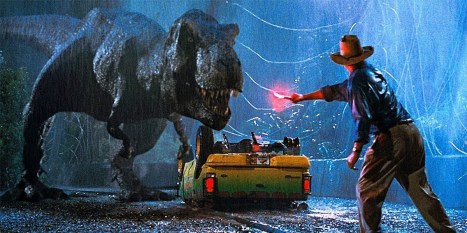
New Escapist Column! On “Jurassic Park” as a Movie About Fatherhood…

I published a new piece at The Escapist yesterday evening. With the looming release of Jurassic World: Dominion, it seemed like a good opportunity to take a look at the original Jurassic Park.

Spielberg’s classic is regarded as one of the defining summer blockbusters, and deservedly so. However, Jurassic Park is also a quintessential Spielberg film, dealing with some of the director’s core themes and preoccupations. Like so many Spielberg movies, Jurassic Park is a movie that is essentially about fatherhood, and about what it means to be a father in a radically changing and evolving world. It’s an interesting exploration of an idea that preoccupies Spielberg as a filmmaker, and which spoke to the cultural anxieties of the era that produced it.

You can read the piece here, or click the picture below.
New Escapist Video! On How “Star Wars” Learned the Wrong Lessons from Solo…

We’re thrilled to be launching a fortnightly video companion piece to In the Frame at The Escapist. The video will typically launch every second Monday, and be released on the magazine’s YouTube channel. And the video will be completely separate from the written content. This is kinda cool, because we’re helping relaunch the magazine’s film content – so if you can throw a subscription our way, it would mean a lot.

With the arrival of Obi-Wan Kenobi on streaming, it seems like a good time to take a look back over Disney’s ownership and management of the Star Wars brand. In particular, Solo: A Star Wars Story, which was the moment where everything seemed to go wrong for the company’s vision of the larger franchise. It should be possible to learn from past mistakes, and Solo certainly provides an ample amount of education material, but can Disney learn the right lessons?

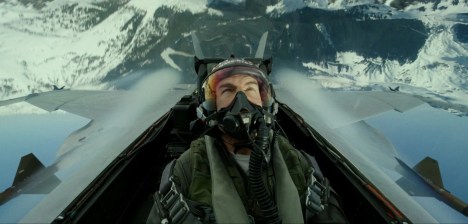
New Escapist Column! On “Top Gun: Maverick” as a Tom Cruise Movie About Tom Cruise Saving Movies…

I published a new In the Frame piece at The Escapist this evening. With the release of Top Gun: Maverick, it seemed like a good opportunity to talk about the blockbuster sequel. In particular the way that it is a movie that is very consciously and very deliberately built around its star.

Tom Cruise has been described as one of the last movie stars, and that means that the actor exerts a certain gravity on his projects. Most Tom Cruise movies wind up being about Tom Cruise in one way or another. This is particularly true as Cruise has entered the later years of his career, as Hollywood has changed around him and as he has found himself having to constantly fight to assert his own relevance in a rapidly-shifting market place. Most recent Tom Cruise movies are about this, in one way or another, and Maverick is no different.

You can read the piece here, or click the picture below.

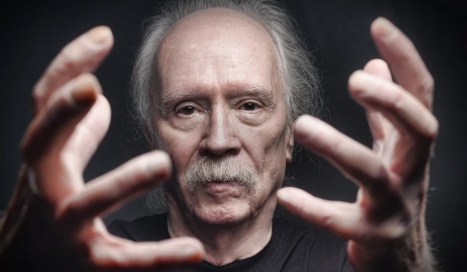
New Escapist Column! On the Urge to Stop Imitating John Carptenter and Just Hire John Carpenter…

I published a new In the Frame piece at The Escapist this evening. With the release of Firestarter in theatres and on Peacock, and the way that the movie draws overtly from Carpenter, it seemed like a good opportunity to ask the question: why aren’t studios simply paying John Carpenter to make movies?

After all, Carpenter is a director who is responsible for some of the most influential and beloved horror movies ever made, including The Thing and Halloween. Modern horror owes a massive debt to Carpenter, a debt that it repays by paying him as an original creator, as an executive producer, or even as a composer. However, with Carpenter openly stating that he would love to return to directing under the right conditions, it’s worth asking why studios haven’t done more to assure those conditions.

You can read the piece here, or click the picture below.

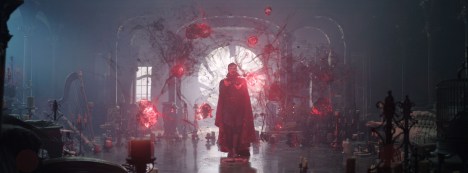
New Escapist Column! On the “Doctor Strange in the Multiverse of Madness” as a Critique of the Marvel Power Fantasy…

I published a new In the Frame piece at The Escapist this evening. With the release of Doctor Strange in the Multiverse of Madness, it seemed like a good opportunity to take a look at what the film says about the larger thematic preoccupations of the Marvel Cinematic Universe.

The Marvel Cinematic Universe is built around the superhero power fantasy, with much of the franchise focusing on the idea that its central characters should be allowed to do whatever they want, to bend the world to their tremendous wills. Multiverse of Madness is an interesting and deliberate deconstruction of this power fantasy, focusing on a superhero who has internalised that idea to a dangerous degree, while teaching another character that perhaps the ends don’t always justify the means.

You can read the piece here, or click the picture below.

New Escapist Video! On How “Star Trek” Gave Up on the Future…

We’re thrilled to be launching a fortnightly video companion piece to In the Frame at The Escapist. The video will typically launch every second Monday, and be released on the magazine’s YouTube channel. And the video will be completely separate from the written content. This is kinda cool, because we’re helping relaunch the magazine’s film content – so if you can throw a subscription our way, it would mean a lot.

With the end of the second season of Star Trek: Picard and the launch of Star Trek: Strange New Worlds, it seemed like a good opportunity to take a look at the larger Star Trek franchise, which has become increasingly backwards-looking in recent decades. While a lot of fans will place the blame on the franchise’s more recent output, the truth is that this nostalgic impulse took root much earlier than many fas will acknowledge.

New Escapist Column! On the “Doctor Strange in the Multiverse of Madness” as a Parable About the Dangers of Rejecting Reality…

I published a new In the Frame piece at The Escapist this evening. With the release of Doctor Strange in the Multiverse of Madness, it seemed like a good opportunity to talk about the film.

Despite its title, Doctor Strange in the Multiverse of Madness seems refreshingly wary of the multiverse as a concept, understanding that the collapse of reality is not necessarily a good thing. Indeed, despite the title, the film is largely about the importance of embracing and accepting one’s original reality, and a cautionary tale about the dangers of retreating into fantasy. In particular, Doctor Strange in the Multiverse of Madness is a horror story about the lengths that people will go to preserve their fantasies – and the consequences of those actions.

You can read the piece here, or click the picture below.

New Escapist Column! On the “Doctor Strange” as a Film About Time and Death…

I published a new In the Frame piece at The Escapist this evening. With the upcoming release of Doctor Strange in the Multiverse of Madness, it seemed like a good opportunity to take a look back at Scott Derrickson’s somewhat underrated contribution to the Marvel Cinematic Universe.

Doctor Strange felt like an oddity when it was released, sandwiched between Captain America: Civil War and Guardians of the Galaxy, Vol. 2. It was a very conventional origin story, stripped of the legacy character attributes of Ant Man, the crossover baggage of Black Panther or the period piece nostalgia and narrative trickery of Captain Marvel. It was perhaps the most straightforward superhero origin story since the earliest days of the Marvel Cinematic Universe, specifically recalling both Iron Man and Thor.

However, underneath the surface, there was something more interesting happening. Doctor Strange is a rare superhero movie that is about both the passage of time and inevitability of death, where the ultimate act of villainy is to pervert either flow. It’s a movie about accepting that change happens, and that sometimes a moment doesn’t last forever. It’s a theme that felt particularly relevant to the Marvel Cinematic Universe, given that it was going to lose two of its three lead characters in the very near future.

You can read the piece here, or click the picture below.

New Escapist Column! On the Tragedy of Nacho Varga and What It Says About “Better Call Saul”…

I published a new In the Frame piece at The Escapist this evening. With the sixth and final season of Better Call Saul in full swing, it seemed like an opportunity to take a look at one of the show’s more under-appreciated central figures.

Nacho Varga was introduced in the first season as a potential foil for Jimmy McGill, intended to serve as the antagonist of the show’s premiere year. However, when the writers stumbled upon the idea of Jimmy’s brother Chuck as the main character’s nemesis, Nacho was left somewhat listless. However, much like the character of Kim Wexler, this initial lack of a clear arc allowed the production team to figure out a compelling approach to Nacho, who has become one of the most tragic figures in the entire show, and a character whose attempts to assert agency tie into the show’s core themes as a prequel to Breaking Bad.

You can read the piece here, or click the picture below.

New Escapist Video! On the Visual Storytelling of “Better Call Saul”…

We’re thrilled to be launching a fortnightly video companion piece to In the Frame at The Escapist. The video will typically launch every second Monday, and be released on the magazine’s YouTube channel. And the video will be completely separate from the written content. This is kinda cool, because we’re helping relaunch the magazine’s film content – so if you can throw a subscription our way, it would mean a lot.

With the broadcast of the new season of Better Call Saul, it seemed like a good opportunity to take a look at the show’s visual storytelling – the way in which it uses images to communicate plot, character and theme.