In fairness to The Inbetweeners, it’s relatively smartly written, well-acted by the cast involved, and entertaining – if incredibly predictable. However, I can’t help but wonder if it feels already outdated – the concept of a bunch of young British males heading to an exotic Mediterranean island as a hedonistic paradise is the kind of thing that already felt old-fashioned when shows like Ibiza Uncovered were all the rage in the late nineties, and we’ve already seen any number of movies on the topic, with Kevin and Perry Go Largeeven adapted from another British television show. The Inbetweeners has enough charm to make it almost to the end, but it just feels much more generic than it really ought to.
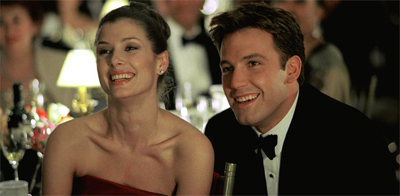
I had a chance to watch Law Abiding Citizen over the weekend, and I kinda liked it. I found some problems with the way that it handled its philosophical points about the balance between the justice system and the chaos that it attempts to regulate, but it was an enjoyable little thriller. However, while watching the film, I couldn’t help but feel that the movie had more than a passing similarity to the other thriller that explored how the criminal justice system could withstand a sustained assault on its basic foundations from a lone and psychotic terrorist. In short, it reminded me of The Dark Knight, but with an interesting twist or two. In particular, F. Gary Gray’s movie feels a bit like what might have developed had somebody removed the character of Batman from Christopher Nolan’s blockbuster in pre-production.
"I'm gonna pull the whole thing down. I'm gonna bring the whole f&%@in' diseased, corrupt temple down on your head. It's gonna be biblical."
Note: This article includes spoilers for both films.
Ronan from Relentless Short Films competition sent on another finalist in 2011 competition (so The Pit was not the last one). I’ve enjoyed the other entries so far, so I thought I’d share this one with you.
For more details of the Relentless Short Films competition, click here.
This latest in the long line of Jane Eyre adaptations stands quite well among them. My better half, whom I readily defer to in matters of culture (if not, sadly, also taste), assures my that it represents a relatively faithful and incredibly thorough exploration of the classic gothic romance, condensed down into a relatively short two-hour-and-ten-minute film. It really is a well-made film, produced with genuine skill and class from everybody on board, and I’d go so far as to suggest that the few problems I had with it stemmed directly from its source material.
The Sum of All Fears is a strange little beast. By changing the nature of the movie’s threat from Middle Eastern terrorists to a secret cult of Nazis, the film seems to want to avoid seeming “heavy” or “relevent.”However, any form of entertainment that depicts a nuclear attack on a US city on the same scale as that depicted here, seems to carry a lot of weight with it anyway. I think that’s really the core problem with an otherwise reasonable solid film, the fact that it has difficulty balancing what should be an uncomfortable viewing experience with an attempt not to upset anyone.
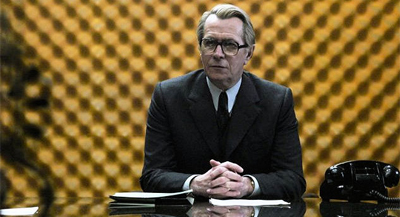
Tinker Tailor Soldier Spy is a movie that can be measured against the very best of John la Carré adaptations, and among the very best that the espionage subgenre has to offer. I make that assertion based upon a single viewing, convinced that revisiting the movie will be something of a wonderful experience, an attempt to decode and sift through the film seeking what Control cynically describes as “treasure.” Tomas Alfredson, who established himself with Let the Right One In makes one hell of an English-language debut, providing a film that embodies the culture as much as the language, an elegant and stately affair, never feeling forced or rushed or dumbed down. I think that, with its intriguing structure and manner of suggesting ideas (rather than stating plot points), Tinker Tailor Soldier Spy might represent that mythical ideal: the perfect film for grown-ups.
A Lonely Place to Die is a well-made little film. Barring a few minor (and one major) faults, it’s an innovative little film that makes the most of a beautiful setting and a wonderfully quirky supporting cast to offer a thriller that feels genuinely original. It’s a movie that takes a rather clever high concept, and does as much with it as it as it can, without ever stretching itself too thin. As far as autumn thrillers go, it’s worth a look for those who like something just a bit outside the norm.
We’ve been digital now for about five years. I have to admit, as much as I might have admired the scavenger sensibility that standard ten-channel Irish television might have taught me, I find it hard to imagine what it must have been like. It’s like the way I can’t imagine a world without easy-to-carry mobile phones, even though I lived in it for quite a while, or I can’t remember what the world was like without access to the information super-highway (though I do remember when we used to use dial-up internet… oh the pain). Digital television is a wonderful invention, and one that I truly treasure. It’s been heard so often that it’s become something of a truism to remark that we get 999 channels, but there’s never anything to watch… but I think that people who feel like that simply aren’t trying hard enough.
Uncle Buck doesn’t represent a career high for any of the major players involved, with John Hughes have any number of more iconic films behind him, and more enjoyable family comedies ahead of him, and John Candy enjoying the space the movie affords him, but somewhat restricted by the material. That said, the film represents an enjoyable little comedy with a strong cast, a good central performance and marks an interesting transition point for Hughes, who had cut his teeth on teenage comedy dramas before transitioning to write more mainstream comedic fare.
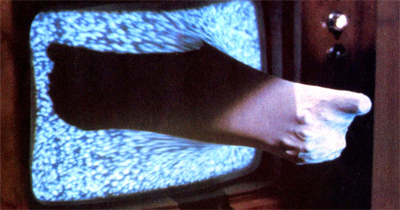
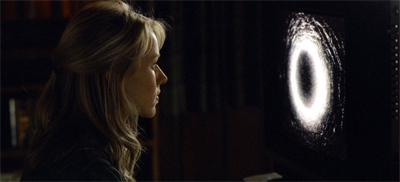
The Ring is actually a surprisingly effective horror when measured on its own terms, as well as being perhaps the most successful American adaptation of a Japanese horror. I would make the case that the film isn’t a patch on the original Ringu, but it’s to director Gore Verbinski’s credit that he attempts to subtly distinguish his film from the one that inspired it, while remaining true to the spirit of that classic cult horror.





















 the m0vie blog