So, as I have mentioned before, I am launching a new video series as a companion piece to In the Frame at The Escapist. The video will typically launch with every second Monday article, and be released on the magazine’s YouTube channel the following week. This is kinda cool, because we’re helping relaunch the magazine’s film content – so if you can throw a subscription our way, it would mean a lot.
This week, given that TENET is now available to stream in the United States and around the world, it seemed like a good time to take a look at Christopher Nolan’s latest. In particular, a look how the themes of TENET resonate with other films in Nolan’s filmography, from Memento to The Prestige to Inception to Interstellar.
I published a new In the Frame piece at The Escapist this evening. With TENET now on streaming, it seemed like a good time to dive into the film’s position within Christopher Nolan’s filmography.
Most discussions of Nolan’s filmography focus on the director’s obsession with time, and TENET makes sense in that context. However, the film also ties into more existential anxieties that simmer through Nolan’s body of work, in particular the question of reality actually is and how best to respond to a world that can fundamentally chaotic, hostile and unknowable. TENET deals this this theme, confronting its audience and its characters with a reality that appears to be unraveling.
You can read the piece here, or click the picture below.
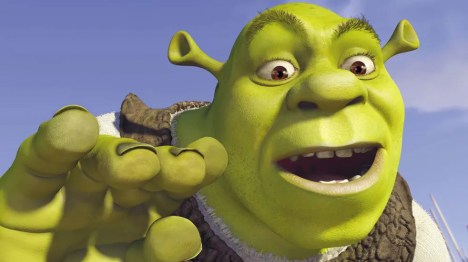
I published a new In the Frame piece at The Escapist this evening. With the twentieth anniversary of Shrek, it seems like a reasonable opportunity to take a look back at the film and its sizable pop culture legacy.
Shrek emerged at the turn of the millennium as a response to the kind of animation that had dominated American cinema during the nineties. In contrast to the calculated earnestness and sincerity of the Disney Renaissance, and its many imitators, Shrek‘s irony and cynicism felt like a breathe of fresh air. It was a film that didn’t take itself too seriously, indulging in knowing jokes and winking references. It was a bold counter-cultural statement that nobody expected to succeed. However, it did succeed, and ironically became one of the defining films of the twenty-first century.
You can read the piece here, or click the picture below.
I’m thrilled to be launching 3-Minute Reviews on Escapist Movies. Over the coming weeks and months, I will be joining a set of contributors in adding these reviews to the channel. For the moment, I’m honoured to contribute a three-minute film review of Those Who Wish Me Dead, which released in cinemas and on HBO Max this weekend.
I published a new In the Frame piece at The Escapist this evening. With the release of Spiral: From the Book of Saw this weekend, it seemed like a good excuse to take a look back at the larger Saw franchise.
For good and for ill, the Saw movies are inexorably tied to the George W. Bush era, with their meditations on torture and their emphasis on moral hypocrisy. However, discussions of the franchise tend to overlook the way in which the films intersect with another millennial trend: reality television. The Saw franchise is the rare horror movie franchise that is actively engaged with the idea of watching horror movies. In particular, in the relationship that exists between horror movies and their audiences – and whether those watching at home are observers or participants in the carnage.
You can read the piece here, or click the picture below.
I’m thrilled to be launching 3-Minute Reviews on Escapist Movies. Over the coming weeks and months, I will be joining a set of contributors in adding these reviews to the channel. For the moment, I’m honoured to contribute a three-minute film review of Spiral: From the Book of Saw, which is releasing in cinemas this weekend.
I’m thrilled to be launching 3-Minute Reviews on Escapist Movies. Over the coming weeks and months, I will be joining a set of contributors in adding these reviews to the channel. For the moment, I’m honoured to contribute a three-minute film review of Zack Snyder’s Army of the Dead, with is releasing in cinemas on Friday and will be on Netflix next week.
I published a new In the Frame piece at The Escapist yesterday evening. With the wrapping up of the first season of The Falcon and the Winter Soldier, it seemed like a good time to take a look back at the show’s first season – and, in particular, how it positions itself within the larger Marvel Cinematic Universe.
The Marvel Cinematic Universe is thirteen years old this May. It spans 24 films, a handful of television series and almost a dozen separate film franchises. That is a lot of baggage. Indeed, it seems like the MCU has reached a point where the baggage of its earlier installments exerts almost as much gravity as the source material itself. The Falcon and the Winter Soldier feels like a prime example of this, with the series very much engaged in conversation with the films in the Captain America franchise.
You can read the piece here, or click the picture below.
So, as I have mentioned before, I am doing some film critic work at The Escapist. Part of that includes long-form video criticism, such as this piece which is now available to watch at the Escapist YouTube Channel, looking at Peter Weir’s underrated maritime masterpiece, Master and Commander: The Far Side of the World.
I published a new column at The Escapist earlier in the week. With the release of Shadow and Bone on Netflix last week, it seemed a good opportunity to take a look at the state of the young adult in modern Hollywood. in particular, the ways in which the genre is dependent on an ineffable star quality.
The young adult boom really kicked off with the Harry Potter series. However, not all the adaptations that followed succeeded. Looking back over the various attempts to tap into that market, it becomes clear that the series that triumphed tended to share one key factor: lead performers who had genuine movie star charisma and energy.
You can read the piece here, or click the picture below.




















 the m0vie blog