












This October/November, we’re taking a trip back in time to review the eighth season of The X-Files and the first (and only) season of The Lone Gunmen.
The eighth season of The X-Files would be the perfect last season of the show, and a pretty solid first season of a new show born from the ashes.
In many ways, television is a conservative medium – more in an artistic sense than a political one. Network television is largely built around churn, a conveyor belt model that is designed to generate product according to tight schedules and oppressive deadlines. Routine and familiarity make the production schedule easier to manage, particularly for shows with large season orders. More than that, if a show has figured out an approach that has worked, it makes no sense to deviate from that pattern.
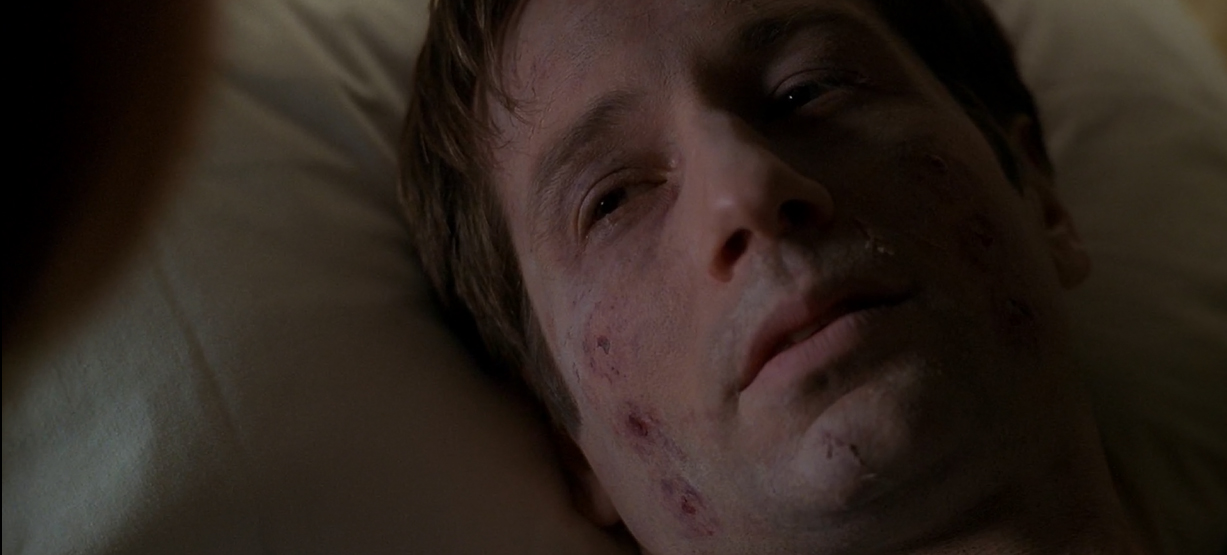
Why risk changing something that has been proven to work and to which the audience has responded? For all the (deserved) praise The X-Files gets for popularising (or repopularising) serialised storytelling in prime-time television, it was just as conservative as any other show. The production team were working under incredible pressure, so it makes sense they would not want to change a formula that made sense. As such, the really big changes to the show were largely driven by external factors.
The mythology largely developed from Scully’s abduction in Duane Barry and Ascension, an attempt by the writers to work around Scully’s abduction. The decision to film The X-Files: Fight the Future between the fourth and fifth seasons was at the behest of Fox rather than the production team. David Duchovny forces the move to Los Angeles in the sixth season. The eighth season represents the most seismic shift in the creative life of The X-Files, and – as with those other big decisions – it was largely driven by choices outside the production team.
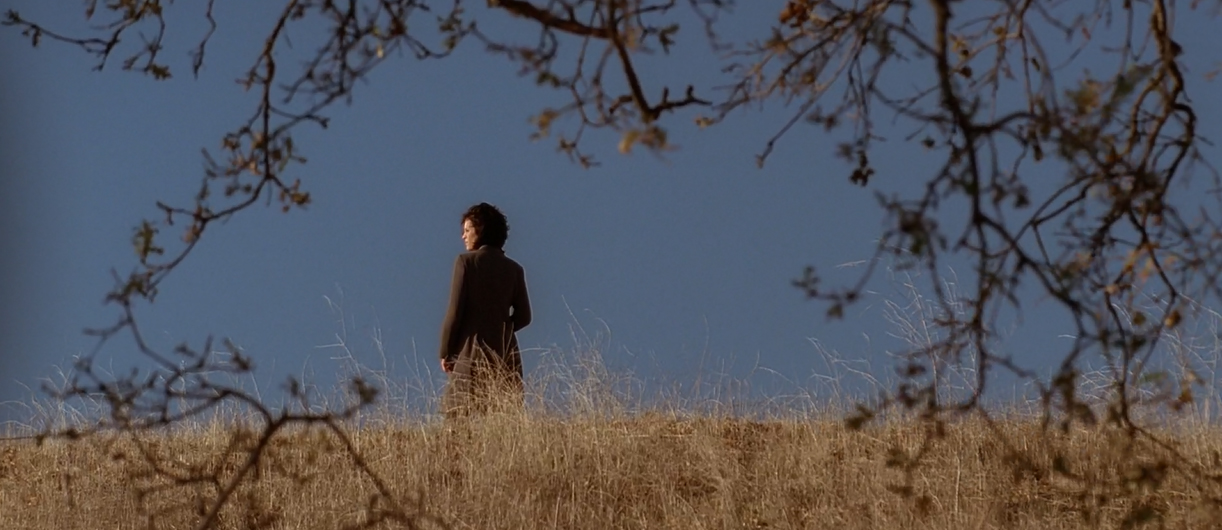
In hindsight, it seems obvious that the show could not continue forever. Duchovny and Anderson were headlining a show that filmed twenty-odd episodes a season. The show had begun diffusing its focus in the fourth and fifth seasons by focusing on members of the supporting cast, but it was still effectively a two-lead show. That is a tremendous strain. Something had to give. It turned out that something was Duchovny. At the end of the seventh season, with everything coming down to the wire, Duchovny made it clear he would not appear in a full eighth season.
This forced the show to change, but in a way that afforded some measure of stability. The idea of doing The X-Files without either Mulder or Scully was horrifying to the production team and horrifying to certain sections of fandom, but Duchovny’s willingness to stick around for half of the eighth season afforded some measure of compromise. The change did not need to be jarring. Easing David Duchovny out of the show would allow for a smoother transition. It would allow the show to say a proper (and extended) farewell to Mulder.
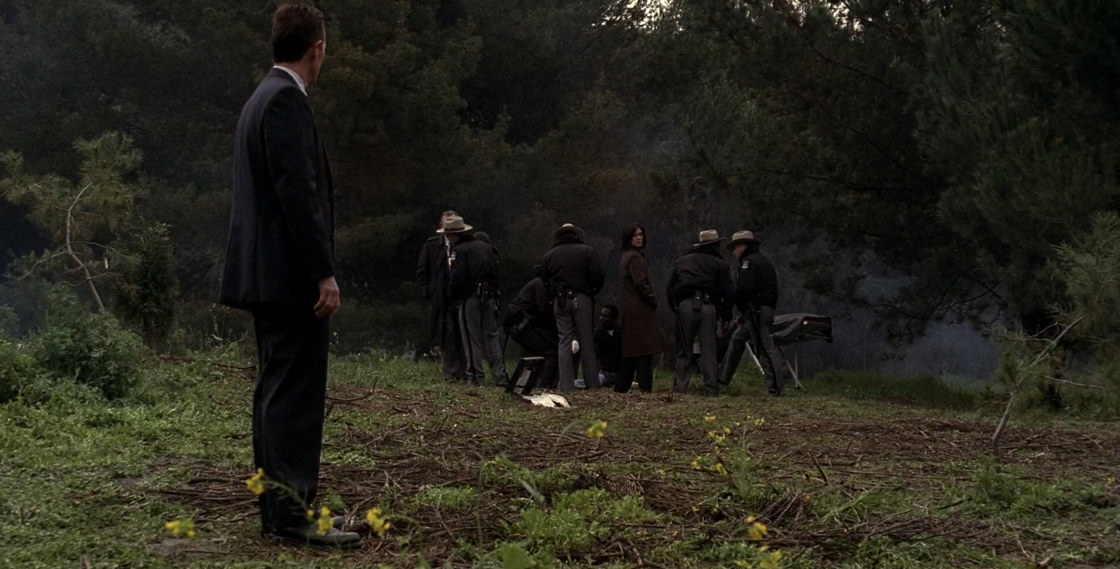
This is perhaps the strongest aspect of the eighth season, the sense that it has a certainty and finality that the seventh season lacked. Even during the post-production of Requiem, the production team had no idea whether the seventh season would be the final season of the show. As a result, the seventh season is decidedly non-committal on the issue of closure. The eighth season is a lot more enthusiastic about the prospect of wrapping things up, once and for all. There is a sense that this is the final season of a version of the show, at the very least.
The eighth season finds itself in the impossible position of having to imagine The X-Files without Mulder. The only real issue is that it succeeds all too well. The biggest problem with the eighth season is that it is followed by a ninth season.
Filed under: The X-Files | Tagged: Arc, david duchovny, dogget, duchovny, mulder, mythology, religion, structure, the x-files, william | 2 Comments »







 the m0vie blog