I published a new piece at The Escapist during the week. With the most recent seasons of both Stranger Things and Obi-Wan Kenobi playing the same familiar trick, it seemed like a good time to talk about one of my bugbears in modern pop culture.
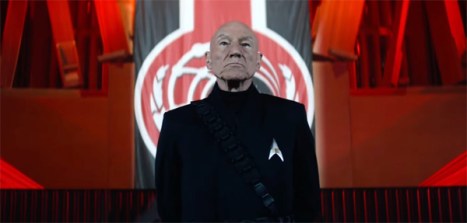
In recent years, it has become customary for piece of popular culture to indulge in a phenomenon best summarized as “the fakeout death”: a beloved character dies, the audience feels sad, and then they are magically restored and resurrected. It has become ubiquitous in the past five or so years: Star Trek: Discovery, Star Trek: Picard, Star Wars: Episode IX – The Rise of Skywalker, The Book of Boba Fett, even the recent Scream movies. Pop culture feels incredibly reluctant to kill off any characters with any popularity, and the result is part of the reason so many of these franchises are stagnating.
You can read the piece here, or click the picture below.
I published a new piece at The Escapist this evening. We’re doing a series of recaps and reviews of Star Trek: Strange New Worlds, which is streaming weekly on Paramount+. The first season finale broadcast today, and so it seemed like a good opportunity to look at the culmination of these ten episodes.
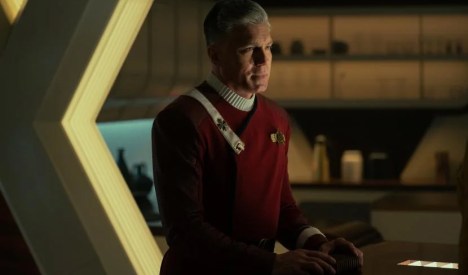
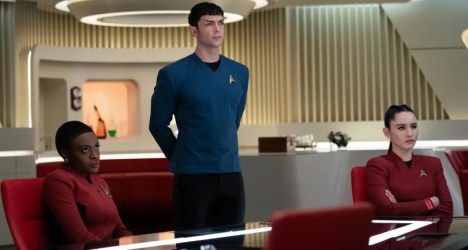
Strange New Worlds has spent most of its first season riffing on familiar Star Trek narratives, offering retreads of classic templates. A Quality of Mercy takes the concept to its logical conclusion, and throws the cast of Strange New Worlds into a remake of Balance of Terror. Unfortunately, this becomes an extended argument about why Strange New Worlds is inherently inferior to Star Trek, with the show making a very literal and very aggressive argument for its own irrelevance while treating the larger franchise as a fetish object.
You can read the piece here, or click the picture below.
I published a new piece at The Escapist this evening. We’re doing a series of recaps and reviews of Star Trek: Strange New Worlds, which is streaming weekly on Paramount+. The ninth and penultimate episode of the first season released this week, and it seemed like a good opportunity to take a look at the series.
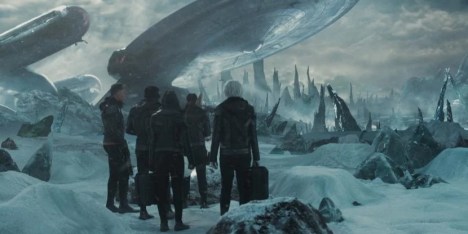
All Those Who Wander is an interesting genre experiment, effectively providing an intersection between Star Trek and Alien. It’s an interesting approach, and very much in keeping with how the franchise has approached other iconic works of science-fiction. However, it also demonstrates the limitations of the approach taken by Strange New Worlds, which seems frustratingly uninterested in what it means to juxtapose the humanism of the Star Trek franchise with the bleak nihilism of the Alien franchise.
You can read the piece here, or click the picture below.
I published a new piece at The Escapist this evening. We’re doing a series of recaps and reviews of Star Trek: Strange New Worlds, which is streaming weekly on Paramount+. The seventh episode released this week, and it seemed like a good opportunity to take a look at the series.
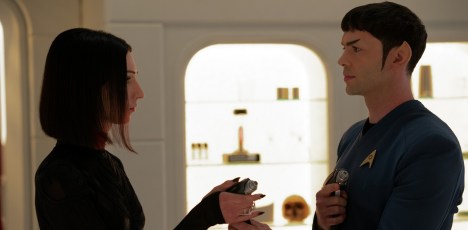
The Serene Squall is an episode that demonstrates the limits of the old-fashioned allegorical-driven approach to Star Trek, particularly when it comes to treating aspects like race and gender as metaphor or allegory rather than simply as facets of existence. Recent spin-offs like Star Trek: Discovery and Star Trek: Picard might have been uneven, but they made huge steps forward for the franchsie by acknowledging queer leads. In its attempt to nostalgically evoke nineties Star Trek, Strange New Worlds effectively pushes all of that back into the closet.
You can read the piece here, or click the picture below.
I published a new piece at The Escapist this evening. We’re doing a series of recaps and reviews of Star Trek: Strange New Worlds, which is streaming weekly on Paramount+. The sixth episode released this week, and it seemed like a good opportunity to take a look at the series.
Lift Us Where Suffering Cannot Reach is basically the most obvious sort of disaster that Strange New Worlds could blindly stumble into. It is an adaptation of a classic Ursula Le Guin story, but it is filter through the show’s uncanny valley of Star Trek storytelling as what might be best described as “a Prime Directive episode”, albeit such an episode written by a writer operating on the unspoken assumption that the Prime Directive was an unequivocal and unimpeachable good. The result is a horrifyingly cynical episode of television about how hard but necessary it is for innocent children to suffer as our characters look on.
You can read the piece here, or click the picture below.
I published a new piece at The Escapist this evening. We’re doing a series of recaps and reviews of Star Trek: Strange New Worlds, which is streaming weekly on Paramount+. The fifth episode released this week, and it seemed like a good opportunity to take a look at the series.
Spock Amok is a transparent attempt at a comedy episode, a genre that has always posed a bit of a challenge for the Star Trek franchise. The various spin-offs and sequels have a fairly even hit-and-miss ratio when it comes to delivering high concept laughs within the franchise’s science-fiction framework. Spock Amok returns to the goofy concept of body transformation and swapping that drove earlier franchise attempts at comedy, from Rascals to Body and Soul. The results are mixed, but that feels very true to the franchise’s roots.
You can read the piece here, or click the picture below.
I published a new piece at The Escapist this evening. We’re doing a series of recaps and reviews of Star Trek: Strange New Worlds, which is streaming weekly on Paramount+. The third episode released this week, and it seemed like a good opportunity to take a look at the series.
Like both Strange New Worlds and Children of the Comet, Ghosts of Illyria is drawing on a familiar stock Star Trek plot. This is the traditional early-season viral infection plot, recalling The Naked Time, The Naked Now, Babel or Dramatis Personae. It’s a tried and tested formula. That said, there’s a good reason for a young show to try an episode like this, primarily as it invites the cast to push themselves outside of their character templates, so the production team can recognise and develop interesting new facets of these characters. It’s not the worst idea for a first season episode.
You can read the piece here, or click the picture below.
I published a new piece at The Escapist this evening. We’re doing a series of recaps and reviews of Star Trek: Strange New Worlds, which is streaming weekly on Paramount+. The second episode released this week, and it seemed like a good opportunity to take a look at the series.
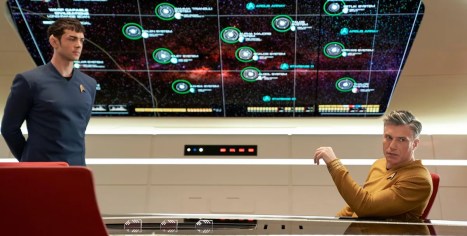
The problem with Strange New Worlds, and it is a problem that runs through each of the five episodes released to the press, is that it is essentially writing Star Trek as if nothing had changed since 1989. This is the approach that ultimately ran the franchise into the ground, as Star Trek: Voyager and the first two seasons of Star Trek: Enterprise exhausted a formula that had been run through every possible permutation after more than a decade in use. Strange New Worlds returns to that format, but it is a faded copy of a faded copy, a pale imitation of episodes that were just about functional two decades earlier.
You can read the piece here, or click the picture below.
We’re thrilled to be launching a fortnightly video companion piece to In the Frame at The Escapist. The video will typically launch every second Monday, and be released on the magazine’s YouTube channel. And the video will be completely separate from the written content. This is kinda cool, because we’re helping relaunch the magazine’s film content – so if you can throw a subscription our way, it would mean a lot.
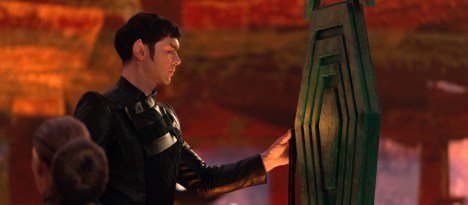
With the end of the second season of Star Trek: Picard and the launch of Star Trek: Strange New Worlds, it seemed like a good opportunity to take a look at the larger Star Trek franchise, which has become increasingly backwards-looking in recent decades. While a lot of fans will place the blame on the franchise’s more recent output, the truth is that this nostalgic impulse took root much earlier than many fas will acknowledge.
I published a new piece at The Escapist yesterday. We’re doing a series of recaps and reviews of Star Trek: Strange New Worlds, which is streaming weekly on Paramount+. The premiere released this week, and it seemed like a good opportunity to take a look at the series.
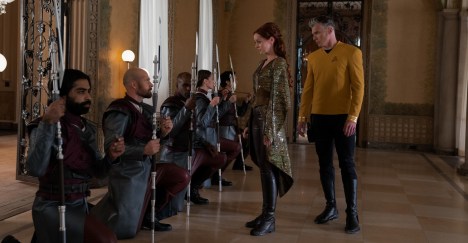
Strange New Worlds is very much a blast from the franchise’s past, essentially serving as a spin-off series from the original and unaired pilot The Cage. That feels somewhat appropriate, given that Strange New Worlds has little interest beyond nostalgically chasing the feeling of old Star Trek, trying to recapture the vague memory of the older franchise. The result is an episode that offers a shallow but efficient riff on classic stories like Let That Be Your Last Battlefield, and which ends with the suggestion that the key to world peace is that we should all become Star Trek fans.
You can read the piece here, or click the picture below.

















 the m0vie blog