Posted on April 15, 2022 by Darren
I published a new In the Frame piece at The Escapist this evening. With the season finale of Severance last week, it seemed like an opportunity to take a look at one of the most interesting new shows on television.
Severance is a science-fiction show build around the fictional concept of “severance”, a medical procedure that allows a person to completely separate their professional and personal selves. However, beneath this high concept, Severance plays as a metaphor for a lot of the current anxieties about the work/life balance, and the intrusion of private enterprise into personal lifestyles.
You can read the piece here, or click the picture below.

Filed under: Television | Tagged: apple tv, capitalism, in the frame, severance, the escapist | Leave a comment »
Posted on April 8, 2022 by Darren
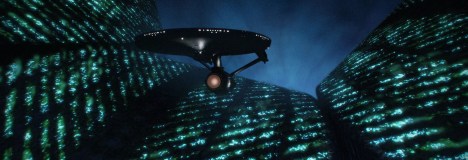
I published a new In the Frame piece at The Escapist this evening. With the release of the recently remastered Director’s Edition of Star Trek: The Motion Picture, it seemed like a good opportunity to take a look at the first feature film in the Star Trek franchise.
The Motion Picture is often derided by its critics as “the Motionless Picture”, reflecting the film’s slow pacing and simplistic plot in contrast to its more relaxed runtime. These criticisms are entirely valid, but they also ignore one of the central appeals of The Motion Picture. Just two years after George Lucas welcomed viewers to “a galaxy far, far away” with Star Wars, The Motion Picture made the Star Trek universe truly tactile and tangible. The film is perhaps best understood as an experience rather than a narrative, a window into the franchise’s fictional universe.
You can read the piece here, or click the picture below.
Filed under: On Second Thought | Tagged: in the frame, Robert Wise, special effects, star trek, Star Trek: The Motion Picture, the escapist | Leave a comment »
Posted on April 4, 2022 by Darren
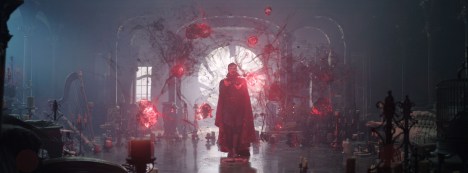
I published a new In the Frame piece at The Escapist this evening. With the looming release of Doctor Strange in the Multiverse of Madness, it seemed like a good time to reflect on how so much of the fate of the Marvel Cinematic Universe came to rely on he sequel to Doctor Strange.
Doctor Strange was a solid midtier entry in the Marvel Cinematic Universe. It was warmly, but not raptuously, received by both audiences and critics. However, there is something fascinating in how the studio has positioned Doctor Strange in the Multiverse of Madness as essentially the franchise’s first true “event” movie since Avengers: Endgame. Indeed, there’s a surprising amount riding on the film, following the performance of the previous three Marvel Studios films and the success of Spider-Man: No Way Home and The Batman.
You can read the piece here, or click the picture below.
Filed under: On Second Thought | Tagged: doctor strange, doctor strange in the multiverse of madness, escapist, in the frame, marvel, Marvel Cinematic Universe, Marvel Studios, mcu, the escapist | Leave a comment »
Posted on March 1, 2022 by Darren
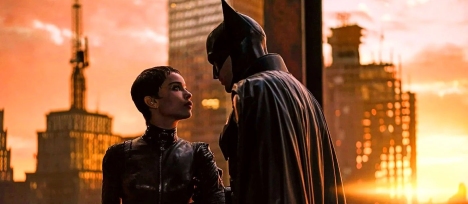
I published a new In the Frame piece at The Escapist yesterday evening. With The Batman releasing this weekend, it seemed like a good opportunity to take a look at Matt Reeves’ take on the Caped Crusader.
Reeves has discussed the influence of seventies cinema on The Batman. The film draws heavily from paranoid films of the era, movies like The French Connection, Klute and The Conversation. However, it is more than just nostalgia at play. The Batman finds an interesting thematic overlap between the seventies and the present day, particularly in its recurring fascination with voyeurism and surveillance. The Batman is many things, but it’s also a story about the importance of looking into the darkness, but realising that looking alone is not enough.
You can read the piece here, or click the picture below.
Filed under: On Second Thought | Tagged: 1970s, cinema, Film noir, in the frame, matt reeves, the batman, the escapist, voyeurism | Leave a comment »
Posted on February 22, 2022 by Darren
I published a new In the Frame piece at The Escapist earlier this week. With the release of Texas Chainsaw Massacre on Netflix, it seemed like a good opportunity to take a look back at the larger franchise spawned from The Texas Chain Saw Massacre.
The Texas Chain Saw Massacre is one of the defining horror movies of the seventies, an innovative and influential low-budget indie that demonstrated what was possible outside the mainstream production machine. However, few horror classics have been as poorly served by the sequels that followed as The Texas Chain Saw Massacre. While most other major horror franchises can boast a genuine (or even just cult) classic among their sequels, the sequels to The Texas Chain Saw Massacre have been a slow and brutal slog into generic horror nonsense. Texas Chainsaw Massacre is just the latest stop on that journey.
You can read the piece here, or click the picture below.

Filed under: On Second Thought | Tagged: commentary, escapist, gore, horror, in the frame, leatherface, slasher, texas chain saw massacre, the escapist, the texas chainsaw massacre, violence | Leave a comment »
Posted on February 11, 2022 by Darren
I published a new In the Frame piece at The Escapist this evening. With the penultimate episode of Peacemaker released this week, it seemed like a good opportunity to take a look at how the show – along with a lot of James Gunn’s work – exists in conversation with Alan Moore and Dave Gibbons’ Watchmen.
Gunn has been very candid that Watchmen is a major influence on his films, particularly his superhero films. However, what’s most striking about Gunn’s use of Watchmen as a source of inspiration is the fact that he actually engages with the text. Many of Gunn’s projects, particularly The Suicide Squad and Super, are very much in conversation with Watchmen, asking what that core text means in a slightly different modern context. That is just as true of Peacemaker, which not only draws from the comics that inspired Watchmen, but also extrapolates boldly out from Watchmen.
You can read the piece here, or click the picture below.

Filed under: On Second Thought | Tagged: alan moore, dave gibbons, escapist, in the frame, James Gunn, Peacemaker, the escapist, watchmen | Leave a comment »
Posted on February 7, 2022 by Darren
I published a new In the Frame piece at The Escapist this evening. With the release of Jackass Forever this weekend, it seemed like a good opportunity to take a look at the cultural phenomenon.
It’s possible to look at Jackass as the intersection of three overlapping traditions in entertainment, particularly American entertainment: the freak show, the silent comedy and early reality television. There’s a fascinating and heady cocktail at play in this, and Jackass exists as a curious modern hybrid. There is sense of evolution here. There’s perhaps something to admire in the way that the cast of Jackass retain control of their narrative.
You can read the piece here, or click the picture below.

Filed under: On Second Thought | Tagged: films, freak show, freak shows, in the frame, Jackass, jackass forever, Movies, reality television, silent cinema, silent comedy, the escapist | Leave a comment »
Posted on January 31, 2022 by Darren
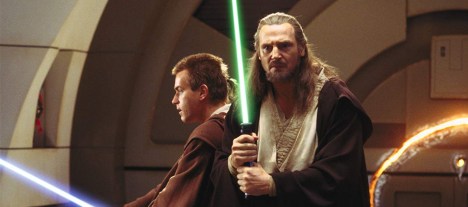
I published a new In the Frame piece at The Escapist this evening. With the most recent episode of The Book of Boba Fett leaning heard into nostalgia for Star Wars: Episode I – The Phantom Menace, and with Spider-Man: No Way Home bringing back Andrew Garfield from the Amazing Spider-Man movies, I tackled a question that has been bothering me for a while: why are fans nostalgic for things they hate?
Of course, there are fans out there who love The Phantom Menace and The Amazing Spider-Man movies, and more power to them. However, there is something interesting in how these nostalgic properties couch their nostalgia for these objects, layering it with distance and approaching it often indirectly – evoking not so much the object itself, but the faint fandom memory of the object. In many cases, it feels like such nostalgia is driven more by a sense of ownership and obligation than by any meaningful affection or appreciation.
You can read the piece here, or click the picture below.
Filed under: On Second Thought | Tagged: bad memories, book of boba fett, fandom, in the frame, nostalgia, ownership, spider-man: no way home, the amazing spider-man, the book of boba fett, the escapist, the phantom menace | 1 Comment »
Posted on January 21, 2022 by Darren
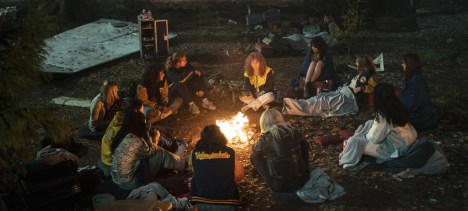
I published a new In the Frame piece at The Escapist this evening. The first season of Yellowjackets wrapped up this week, so it seemed like the perfect opportunity to take a look at what has become the buzziest show on television.
Yellowjackets has a premise very similar to Lost, featuring a time-shifted narrative following a bunch of plane-crash survivors trapped in the wilderness as potentially supernatural events unfold around them. However, Yellowjackets follows the survivors after their return to civilisation rather than before the crash. Yellowjackets is essentially a paranoid survival horror, and one that resonates with these divided and chaotic times. It’s a show about the horrors of what happens when civilisation collapses and when people turn to monstrous belief in sheer desperation, but also about what it’s like to live with that.
You can read the piece here, or click the picture below.
Filed under: Television | Tagged: belief, conspiracy theories, escapist, fear, horror, in the frame, paranoia, qanon, survival horror, yellowjackest | Leave a comment »
Posted on January 17, 2022 by Darren
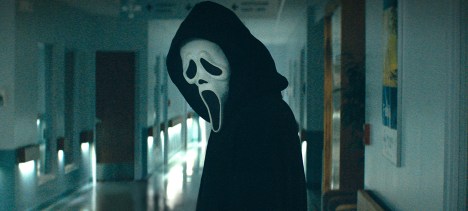
I published a new In the Frame piece at The Escapist this evening. With the release of Scream this weekend, it seemed like a good opportunity to delve into the latest entry in the beloved horror franchise.
What is most interesting about the latest Scream is the extent to which it feels largely divorced and separated from the horror genre, particularly compared to the earlier films in the franchise. Instead, Scream seems much more engaged with the modern Star Wars films, borrowing key plot points and background lore from recent entries in the franchise. More than that, it’s a film that is very aggressively engaged with the fandom discussion around those films.
You can read the piece here, or click the picture below.
Filed under: On Second Thought | Tagged: fandom, horror, in the frame, Movie, Scream, star wars, the escapist | Leave a comment »
















 the m0vie blog
New Escapist Column! In the “Texas Chainsaw Massacre” Franchise…
I published a new In the Frame piece at The Escapist earlier this week. With the release of Texas Chainsaw Massacre on Netflix, it seemed like a good opportunity to take a look back at the larger franchise spawned from The Texas Chain Saw Massacre.
The Texas Chain Saw Massacre is one of the defining horror movies of the seventies, an innovative and influential low-budget indie that demonstrated what was possible outside the mainstream production machine. However, few horror classics have been as poorly served by the sequels that followed as The Texas Chain Saw Massacre. While most other major horror franchises can boast a genuine (or even just cult) classic among their sequels, the sequels to The Texas Chain Saw Massacre have been a slow and brutal slog into generic horror nonsense. Texas Chainsaw Massacre is just the latest stop on that journey.
You can read the piece here, or click the picture below.
Filed under: On Second Thought | Tagged: commentary, escapist, gore, horror, in the frame, leatherface, slasher, texas chain saw massacre, the escapist, the texas chainsaw massacre, violence | Leave a comment »