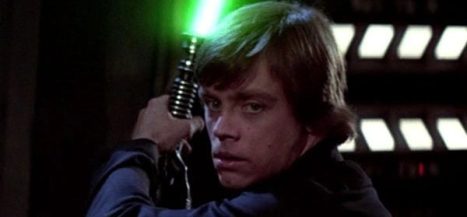
I published a new In the Frame piece at The Escapist this evening. With The LEGO Star Wars Holiday Special releasing tomorrow, I thought it was worth taking a look back at Star Wars: Episode VI – Return of the Jedi.
In particular, the way in which Return of the Jedi sets an outer limit on what Star Wars can be. After the previous film in the series pushed the franchise outwards, the third film in the original trilogy folds the series back in on itself and sets a clear boundary on what Star Wars is and what Star Wars will forever be. It is a creative choice that has arguably hindered the franchise in the years since, restricting its capacity to push beyond that template and embrace new ideas and new concepts.
You can read the piece here, or click the picture below.
I published a new In the Frame piece at The Escapist this evening. Because Creed is five years old this month, it seemed like an appropriate time to look back at one of the defining legacy sequels.
Creed arrived at a point in time when these sorts of movies were becoming a lot more common; Star Wars: Episode VII – The Force Awakens would premiere a month later. However, there is a lot that later legacy sequels could learn from Creed and how it approaches the idea of passing the torch from one generation to the next. Creed is a love letter to the Rocky franchise, but never loses track of its own identity, accomplishing the rarest of balances.
You can read the piece here, or click the picture below.
So, as I have mentioned before, I am launching a new video series as a companion piece to In the Frame at The Escapist. The video will typically launch with the Monday article, and be released on the magazine’s YouTube channel the following week. This is kinda cool, because we’re helping relaunch the magazine’s film channel – so if you can throw a subscription our way, it would mean a lot.
With that in mind, here is last week’s episode. To mark the season premiere of The Mandalorian, we took a look at the series’ exploration of a fallen world. In particular, the trope of the last survivors of a fallen world wandering through the ruins has become a common trope in contemporary mass media science-fiction like the third season of Star Trek: Discovery or the new series Raised by Wolves. So we thought it might be interesting to look at the trope, and how it differs from the conventional portrayal of the Star Wars universe.
I published a new In the Frame piece at The Escapist this evening. Because GoldenEye is twenty-five years old this month, it seemed like an appropriate time to look back at one of the more underappreciated entries in the franchise.
GoldenEye arrived in a changed world, after the fall of the Berlin Wall and the collapse of the Union of Soviet Socialist Republics. Many of the underlying assumptions of the Bond franchise were no longer relevant to the new world order. At the same time, the Bond franchise was in an existential crisis following the commercial disappointment of the previous film and the longest gap between installments to date. However, GoldenEye hit upon a novel solution to this problem: instead of fighting against the idea of Bond as a man out of time, it would embrace it.
You can read the piece here, or click the picture below.
So, as I have mentioned before, I am launching a new video series as a companion piece to In the Frame at The Escapist. The video will typically launch with the Monday article, and be released on the magazine’s YouTube channel the following week. This is kinda cool, because we’re helping relaunch the magazine’s film channel – so if you can throw a subscription our way, it would mean a lot.
With that in mind, here is last week’s episode. Because Halloween was coming up, we thought it would be fun to look at something horror-related. I’ve been watching a few John Carpenter films lately, and so I thought I’d delve a little bit into how Carpenter’s craft works and how it has aged so effectively and so hauntingly. In particular, Carpenter’s loose “Apocalypse” trilogy (The Thing, Prince of Darkness and In the Mouth of Madness) count among the most unsettling (and resonant) depictions of the end of the world in popular cinema.
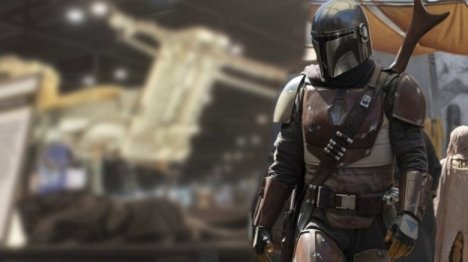
I published a new In the Frame piece at The Escapist this evening. With the season premiere of The Mandalorian on Friday, it seemed like a good opportunity to take a look at the show.
The Mandalorian is interesting, because it exists in a similar context to recent high-profile science-fiction shows like the third season of Star Trek: Discovery and the HBO Max flagship Raised by Wolves. These stories tend to focus on protagonists who are standard bearers for a fallen world, wandering through the ruins of a collapsing social order. It’s interesting that these franchises would push in that direction, perhaps filtering some contemporary anxieties.
You can read the piece here, or click the picture below.
I published a new In the Frame piece at The Escapist this evening. With the release of Borat Subsequent Moviefilm last week, it seemed an interesting opportunity to take a look at the return of the Kazakh caricature, and examine how the character had shifted in the fourteen years since the release of Borat.
Perhaps the most surprising aspect of Borat Subsequent Moviefilm is the way in which it offers a much more conventional structure – and even character arc – than the original film. It’s a strange choice, particularly in the context of the film’s mockumentary sensibility and the outlandish nature of the character. However, it also illustrates how much the world has changed since the release of the original film. Borat Subsequent Moviefilm realises that the world has changed, so maybe Borat should as well.
You can read the piece here, or click the picture below.
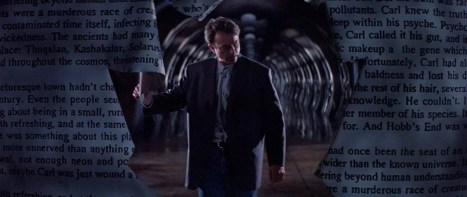
I published a new In the Frame piece at The Escapist this evening. With Halloween approaching, the column is going to take a little bit of a detour into some spooky stuff, and I’m very excited.
John Carpenter remains one of my favourite horror movie directors. A large part of that is just down to simple craft. Carpenter can make a cheap movie look great. More than that, though, Carpenter’s unique brand of horror has aged very well. This is particularly true of Carpenter’s “Apocalypse” trilogy – The Thing, Prince of Darkness, In The Mouth of Madness. Carpenter imagines the end of the world not with a bang, with the slow and unsettling collapse of the invisible forces holding it together. The world unravels and unspools, and chaos breaks through
You can read the piece here, or click the picture below.
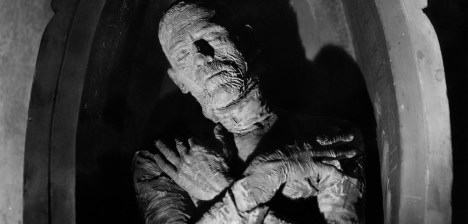
I published a new In the Frame piece at The Escapist on Friday. With Halloween approaching, the column is going to take a little bit of a detour into some spooky stuff, and I’m very excited.
I’m thrilled that I got to write this piece about the Mummy, which remains one of the most interesting of the classic movie monsters because it seems to exist at odds with the rest of the classic fiends. There are plenty of classic Dracula and Frankenstein films, the Wolfman and the Invisible Man have been handled well over the years, but the Mummy always seems like the odd creature out of every wave of classic creature feature films. So I was thrilled to do a bit of a deep dive into it to look at how – and why – that is.
You can read the piece here, or click the picture below.
So, as I have mentioned before, I am launching a new video series as a companion piece to In the Frame at The Escapist. The video will typically launch with the Monday article, and be released on the magazine’s YouTube channel the following week. This month, it will be releasing on the Tuesday.
With that in mind, here is last week’s episode, covering the first season of Star Trek: Discovery and the way in which the show taps into the forgotten psychedelic history of the original Star Trektelevision series.



















 the m0vie blog