• Following Us

  • Categories

  • Check out the Archives


  • Awards & Nominations

The X-Files – Lord of the Flies (Review)

This December, we’re taking a trip back in time to review the ninth season of The X-Files.

Lord of the Flies is an interesting episode, but not a good one.

After 4-D worked so hard to offer a glimpse of what The X-Files could or should look like in December 2001, Lord of the Flies feels like a step backwards. It is a regression, and not just because it awkwardly transitions Scully back into the role of lead character or because it returns to the comedy stylings largely eschewed by the eighth season. Lord of the Flies feels like a script that could have been written for the show in its third or fourth seasons, returning to the well-tapped reservoir of teen angst that has sustained quite a few episodes at this point.
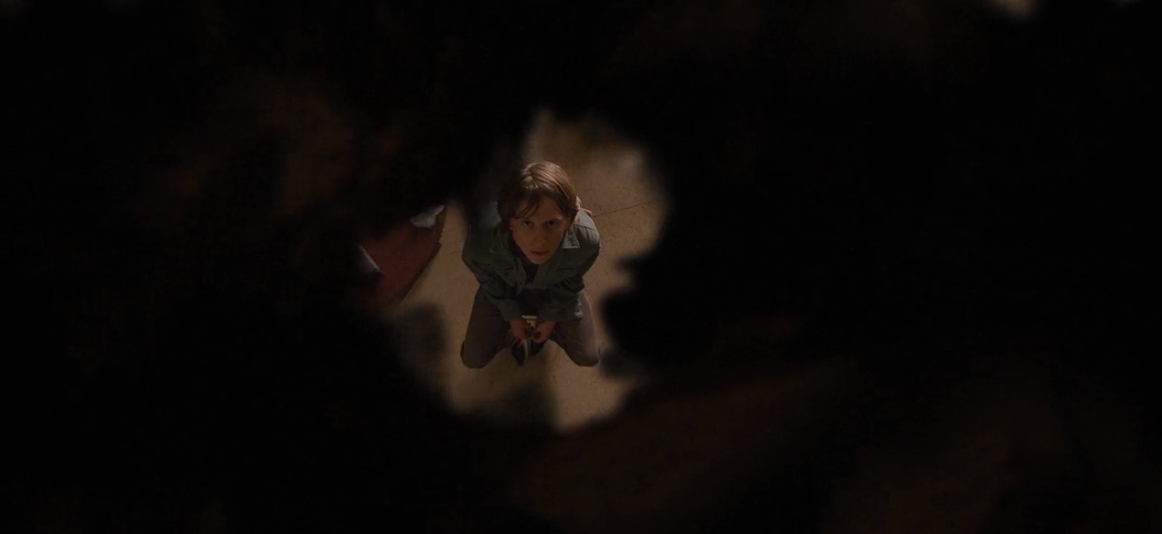
Flies by...

Flies by…

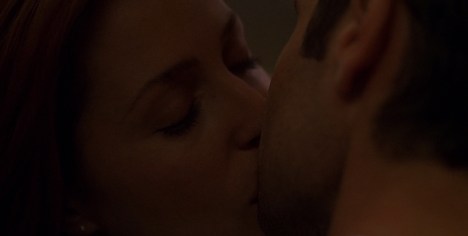
Only a handful of elements serve to mark Lord of the Flies as a piece twenty-first century television. While Scully gets to play action hero at the climax, Mulder is gone; Doggett and Reyes do a lot of the generic detective work across the hour, even if little of their personalities gets to shine through. More than that, Aaron Paul and Jane Lynch pop up in supporting roles that nod towards the various futures of network television. In particular, Paul appears in a home-made stunt show called “Dumb Ass”, an obvious (and shallow) parody of Jackass.

However, Lord of the Flies is not particularly interested in any of these newer elements. The script very clearly wants to hark backwards, towards a past that is no longer easily accessible.
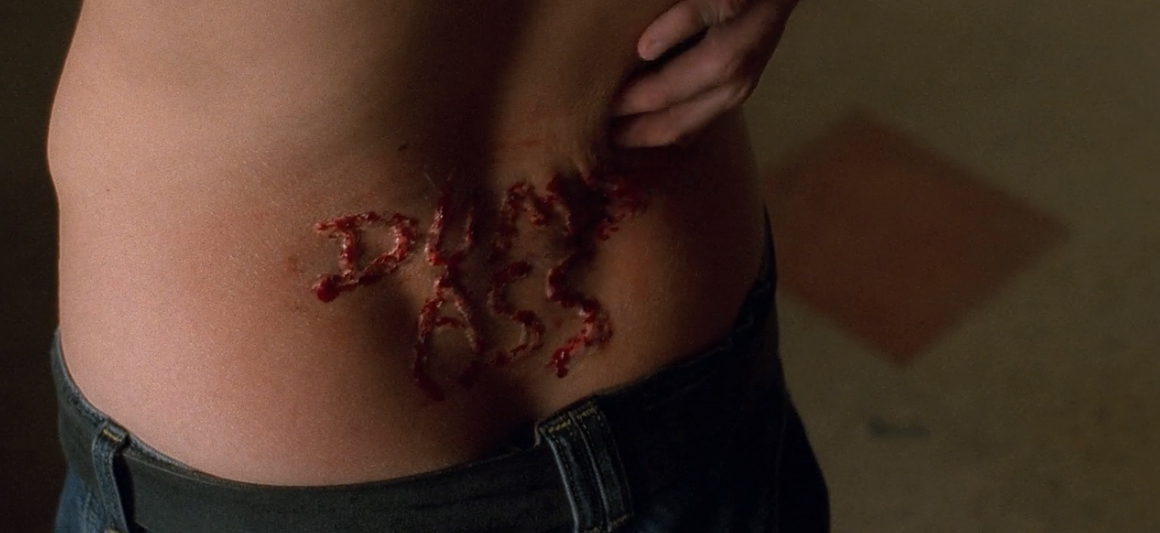
Somewhere, Scully is jealous...

Somewhere, Scully is jealous…

Continue reading

The X-Files 104: Ten “Monster of the Week” Episodes (Seasons 6-9)

Next week sees the release of The X-Files on blu ray for the first time, just over a month before the new six-episode series premieres on Fox in January. We’re running daily reviews of the show (and its spin-offs) between now and the end of the year, but we thought it might be worth compiling some guides for newer viewers who are looking to experience the length and breadth of what The X-Files has to offer. Every day this week, we’ll be publishing one quick list of recommended episodes every day, that should offer a good place to start for those looking to dive into the show.

Everything changed between the fifth and sixth seasons of The X-Files. The release of The X-Files: Fight the Future perhaps represented the peak of the show’s popularity, but the summer of 1998 saw the show moving its production from Vancouver to Los Angeles. This had a tremendous impact on how the show was produced; working in Los Angeles meant higher budgets, bigger guest stars and a completely different environment. Gone was the rainy atmosphere of Canada, replace with California sun. It was almost a new show.

xfiles-millennium37a

Continue reading

The X-Files – 4-D (Review)

This December, we’re taking a trip back in time to review the ninth season of The X-Files.

In many ways, the ninth season begins with 4-D.

This is perhaps the perfect point for an “alternate reality” episode. After all, The X-Files has undergone a transformation; the reality of the show has been fundamentally and impossibly altered. It might have the same title, it might have an opening sequence that somewhat resembles the old opening sequence, it might even have continuity of characters like Scully and Skinner. However, something has changed. This is not Mulder and Scully, but this is still The X-Files. The show has transitioned. The world has changed around it.

A close shave...

A close shave…

The first three episodes of the season – Nothing Important Happened Today I, Nothing Important Happened Today II, and Dæmonicus – were all produced before 9/11, even though they were broadcast two months after the attacks. (9/11 actually fell during the production of Dæmonicus, with shooting stopping for a day.) The fourth episode of the season, Hellbound, was pushed back deeper into the broadcast order. As such, 4-D was the first episode to be both produced and aired after 9/11.

Appropriately enough, that means that 4-D exists in a different world than the episodes directly preceding it. It has been remarked that the events of 9/11 represented a break in cultural continuity, a line by which history might (relatively cleanly) be divided. There was the world “before 9/11” and “after 9/11.” Although the worlds might look quite similar – and even identical, in many cases – they should not be confused. The world is not as it was. Reality has come undone.

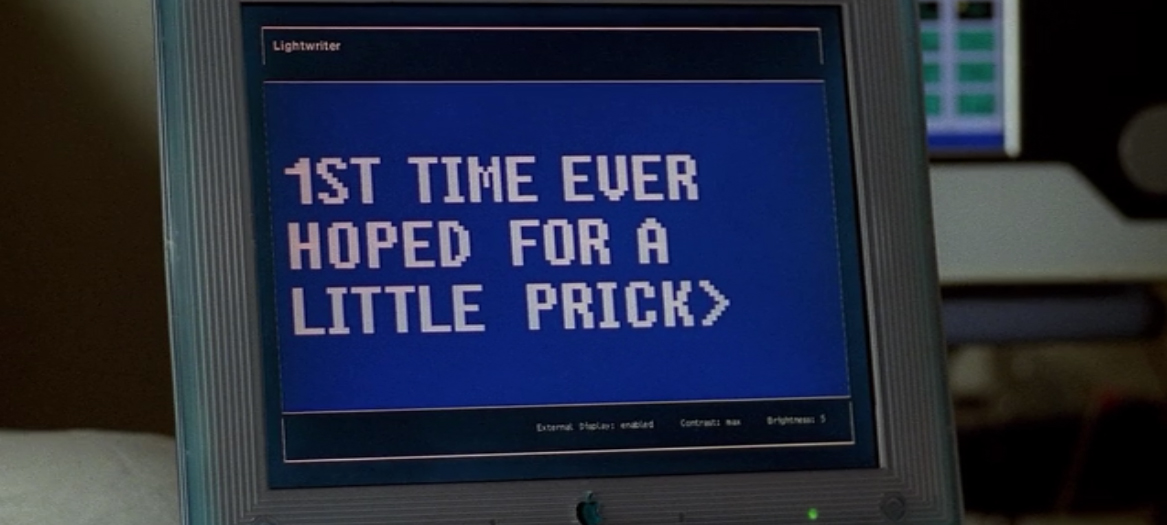
Well, Doggett could always make it as a stand-up comedian.

Well, Doggett could always make it as a stand-up comedian.

Continue reading

The X-Files 103: Ten Spin-Off/Tie-In Stories

Next week sees the release of The X-Files on blu ray for the first time, just over a month before the new six-episode series premieres on Fox in January. We’re running daily reviews of the show (and its spin-offs) between now and the end of the year, but we thought it might be worth compiling some guides for newer viewers who are looking to experience the length and breadth of what The X-Files has to offer. Every day this week, we’ll be publishing one quick list of recommended stories every day, that should offer a good place to start for those looking to dive into the show.

Although the bulk of discussion around and attention paid to The X-Files focuses on the two-hundred-and-two episodes (and two movies) tied to the series itself, it is worth commenting on the rich world of spin-offs and tie-ins that Chris Carter and his production team built up around the show. The X-Files was not just a nineties television show, it was a multimedia phenomenon. However, these aspects of the show are frequently overlooked in discussions of the show’s legacy and cultural impact.

xfiles-millennium33

Continue reading

The X-Files – Dæmonicus (Review)

This December, we’re taking a trip back in time to review the ninth season of The X-Files.

Dæmonicus is the first “monster of the week” episode of the ninth season.

This is important, particularly following on from two particularly limp introductory mythology episodes. After all, The X-Files amounts to more than just its mythology; problems with the mythology are less of a problem when they are surrounded by strong standalone episodes. Tunguska and Terma arrived as messy mythology episodes at the peak of the show’s popularity, but nobody was too bothered because they were surrounded by standalone episodes like Musings of a Cigarette-Smoking Man or Paper Hearts.

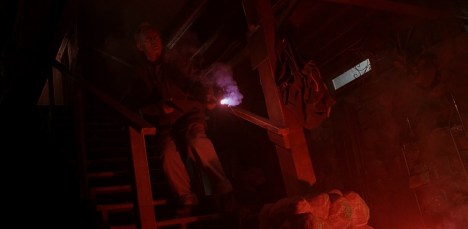
The devil inside...

The devil inside…

So the show can probably withstand the hit of Nothing Important Happened Today I and Nothing Important Happened Today II. After all, the third season opened with The Blessing Way and the fifth season opened with Redux I, with both of those seasons standing among the best seasons that the show ever produced. (That said, it helps that the second episodes of those seasons – Paper Clip and Redux II – were much stronger.) There is still a chance to salvage things here. The ninth season is down, but don’t count it out yet.

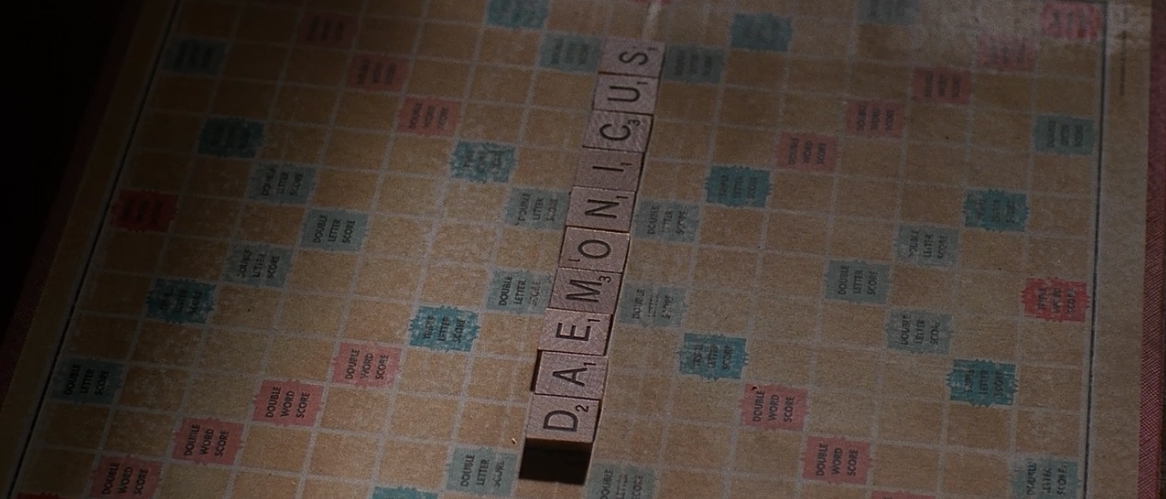
Dæmonicus could really turn things around, right?

Well, that's just cheating.

Well, that’s just cheating.

Continue reading

The X-Files 102: Ten “Mythology” Episodes

Next week sees the release of The X-Files on blu ray for the first time, just over a month before the new six-episode series premieres on Fox in January. We’re running daily reviews of the show (and its spin-offs) between now and the end of the year, but we thought it might be worth compiling some guides for newer viewers who are looking to experience the length and breadth of what The X-Files has to offer. Every day this week, we’ll be publishing one quick list of recommended episodes every day, that should offer a good place to start for those looking to dive into the show.

There is no getting around the shadow of the “mythology”, the serialised central narrative of The X-Files which explored a sinister conspiracy between the United States government and alien forces building towards a sinister end. While the show was on the air, the mythology was a focal point for discussion and debate around the show, with many viewers speculating about the particulars of the allegiance between the shadowy syndicate and the mysterious visitors from outer space. It was one of the boldest and most distinctive features of the show.

xfiles-oneson4

Continue reading

The X-Files – Nothing Important Happened Today II (Review)

This December, we’re taking a trip back in time to review the ninth season of The X-Files.

Of course, the ninth season was broadcast in a radically different world than the eighth season.

Nothing Important Happened Today I was broadcast early in November 2001, less than two months after hijackers commandeered control of several airline jets and sent them crashing into various American landmarks. The attacks upon the World Trade Centre and the Pentagon changed the world in a way that very few events can claim. History can be comfortably divided into “before 9/11” and “after 9/11”, a rare marker of cultural significance generally reserved for events like World Wars.

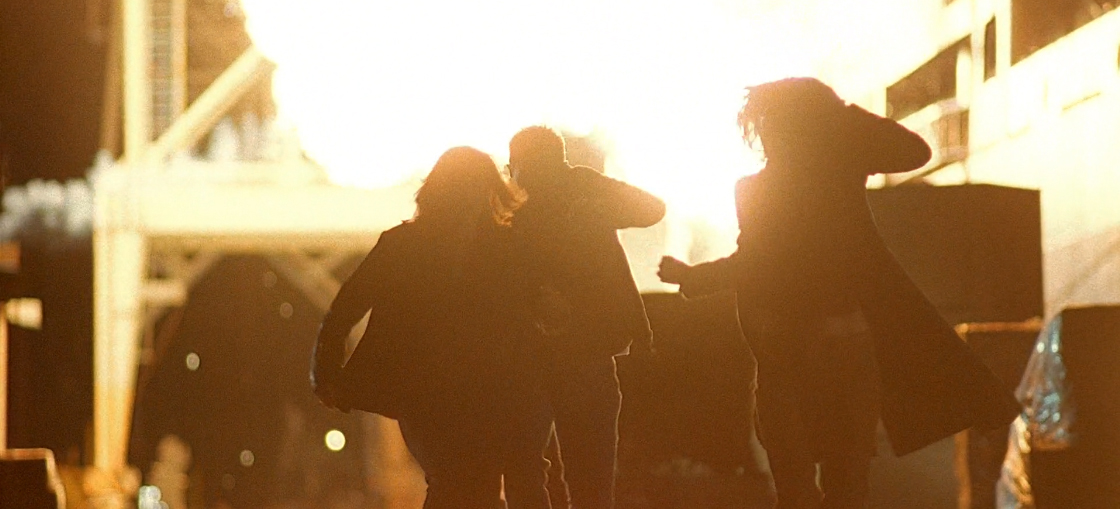
World on fire...

World on fire…

Tom Brokow has argued that 9/11 was “when the twenty-first century truly began.” Anne-Marie Slaughter argued that 9/11 was “the defining event of the new millennium.” Phillip E. Wegner suggested that 9/11 represented the end of “the long nineties” that had begun with the collapse of the Berlin Wall. It is not an exaggeration to suggest that 9/11 changed absolutely everything. It defined American foreign policy for over a decade after the fact, cemented a culture of anxiety and surveillance, cast an incredibly long shadow over world culture and politics.

Over two-and-a-half thousand people were killed on 9/11. Estimates suggest that up to twenty-one thousand civilians and more than two thousand American troops died during the War in Afghanistan. Studies suggest that up to half a million Iraqis have died of war-related causes and nearly four-and-a-half thousand American troops have died during the Iraq War. These are just the losses that can be tangibly measured; it is to say nothing of the lives caught in ripple effects and unforeseen (or foreseeable) consequences.

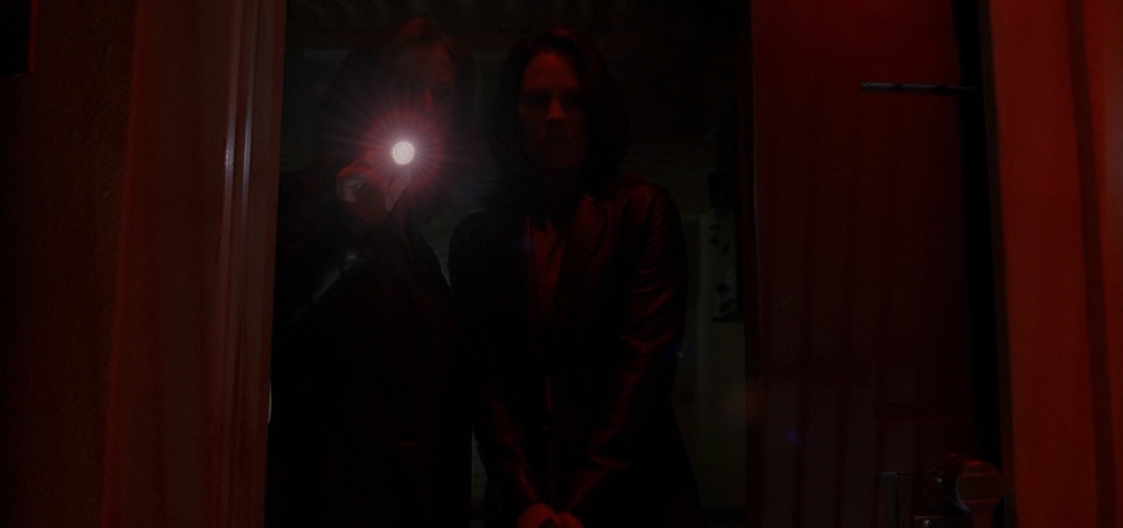
Shining a light on what happened...

Shining a light on what happened…

It is very cavalier and insensitive to suggest that The X-Files was a victim of 9/11 in any real sense. With everything else going on in the wake of 9/11, the cancellation of a television show means nothing. The cancellation of a show (even a popular show) is not even a footnote in any account of how the world changed. It is entirely reasonable to argue that The X-Files might have been cancelled even if 9/11 never happened. The show was nine years old, and had just lost one of its two leads. It was entirely possible that the show could never have recovered from that anyway.

Still, The X-Files was a show indelibly and undeniably anchored in the context of the nineties. It was a show that tapped into the zeitgeist in that historical lacuna following the end of the Cold War, when there were no more enemies to fight and where there was room for introspection and reflection about government authority. By the start of the ninth season, the show’s cultural moment had passed.

A Doggett lead...

A Doggett lead…

Continue reading

The X-Files 101: Ten “Monster of the Week” Episodes (Seasons 1-5)

Next week sees the release of The X-Files on blu ray for the first time, just over a month before the new six-episode series premieres on Fox in January. We’re running daily reviews of the show (and its spin-offs) between now and the end of the year, but we thought it might be worth compiling some guides for newer viewers who are looking to experience the length and breadth of what The X-Files has to offer. Every day this week, we’ll be publishing one quick list of recommended episodes every day, that should offer a good place to start for those looking to dive into the show.

The first list is the “monster of the week” shows from the first five seasons, which perhaps represents the purest distillation of what The X-Files actually was. On initial broadcast, a lot of attention was focused on the “mythology”, the long-form story about alien invaders who were conspiring with the United States government against mankind. It captured the attention of the nation, generating a lot of buzz and watercooler talk with blockbuster episodes that pushed the sheer scope and scale of nineties television to the limit.

xfiles-killswitch15

Continue reading

The X-Files – Nothing Important Happened Today I (Review)

This December, we’re taking a trip back in time to review the ninth season of The X-Files.

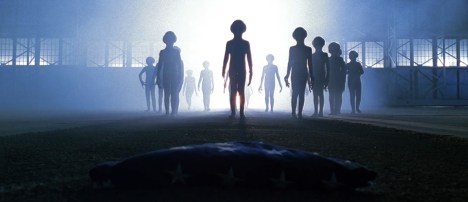
After all the promise and potential of the eighth season, the ninth season brings everything crashing down.

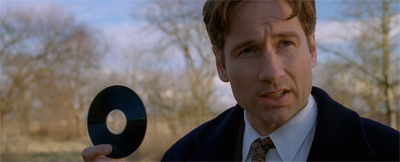
“Fight the future” is not just the subtitle to the franchise’s first film, nor words hastily scrawled on a CD-ROM or the walls of a prison cell. “Fight the Future” is a motto to live by, a statement of purpose. Just when it looked like Essence and Existence were about to let Mulder and Scully retire gracefully, Nothing Important Happened Today I and Nothing Important Happened Today II have a last-minute change of heart and clutch desperately at Mulder and Scully, as if hoping the duo will never leave.

That sinking feeling...

That sinking feeling…

The desperation is palpable. David Duchovny’s butt double appears before any of the episode’s credited regulars, with the episode offering a glimpse of Mulder in the shower as if to promise viewers that David Duchovny’s departure doesn’t mean Mulder is no longer the show’s central character. When Doggett finds Mulder missing, having evidently stopped by his apartment on the way home, he confronts Scully, panicked, “I got panicked that you’re not going to be here, that you left too.”

The eighth season had closed on a confident note, leaving Mulder and Scully at a point where they could live happily ever after, entrusting Doggett and Reyes with the office. The ninth season opens in a state of panic, terrified at the idea that Mulder and Scully might actually be gone. There is something unpleasant about that neediness, that undisguised anxiety. The end of the eighth season promised something new and different. The start of the ninth promises more of the same.

Apocalypse how?

Apocalypse how?

Continue reading

Doctor Who: Hell Bent (Review)

“Where can he run?”

“Where he always runs. Away. Just away.”

– the Time Lords finally get a grip on the Doctor

If Death in Heaven was Moffat channelling the spirit of his predecessor, then Hell Bent is a decidedly (and perhaps even quintessentially) Moffat era finalé.

The art of a Moffat era finalé seems to be in burying the lead. The key is something of a narrative shell game, asking the audience to figure out where the actual point of the story lies as it unfolds. There is a fair amount of misdirection and wrong-footing involved in this, with Moffat frequently setting up what amounts to be a traditionally “epic” science-fiction premise only to swerve sharply in the opposite direction towards something altogether more intimate and personal.

doctorwho-hellbent3

As much as The Pandorica Opens might have teased a Legion of Doom supervillains team-up with reality itself at stake, The Big Bang devolved into a run-around with a small ensemble trapped inside the British Museum. The Wedding of River Song was less about explaining the Doctor’s demise in The Impossible Astronaut and more about reuniting the Pond family. The Name of the Doctor revealed that “the Impossible Girl” arc was just a red herring and that Clara was always a character rather than a plot point.

Even The Time of the Doctor eschewed an epic “final regeneration” story to tell the more low-key tale of “the man who stayed for Christmas.” Of course, the effectiveness of this technique varies on a case-by-case basis. Sometimes the show’s shift in focus is clever and astute; sometimes it feels a little too messy and disorganised. In many respects, the true test of a Moffat era season finalé is the fine act of balancing the epic story that has been set up with the more personal story that plays out.

doctorwho-hellbent2

Hell Bent has a pretty big hook. Gallifrey has been a massive part of the show’s mythology for decades, becoming even more conspicuous in its absence since its destruction was first suggested in Rose and acknowledged by name in Gridlock. Gallifrey has always been coming back, something that has been particularly apparent since The Day of the Doctor. The return of the planet was inevitable in some way shape or form. The cliffhanger to Heaven Sent and the teaser trailer for Hell Bent both put a heavy emphasis on the planet’s return.

This makes the sharp turn midway through Hell Bent all the more effective. It turns out that the death of Clara in Face the Raven was never about raising the stakes for an apocalyptic Gallifrey story; the return of Gallifrey was just a background detail in Clara’s departure tale. It is a very clever and wry twist, one that works particularly well because the show commits to it so wholeheartedly.

doctorwho-hellbent7

Continue reading