• Following Us

  • Categories

  • Check out the Archives


  • Awards & Nominations

An Interview with Chris Claremont, Part III (of V)

All this week, to celebrate the release of X-Men: Days of Future Past, we’re publishing a serialised interview that we conducted with the wonderful Chris Claremont back in February for publication in a British comic book magazine. Many thanks to Mr. Claremont for taking the time to talk to us, and also to Adam Walsh for allowing us to publish this.

The heart of Chris Claremont’s storytelling is character.

In talking about the iconic X-Men characters he helped to shape and define, he’ll often use their first names. Even minor characters like Thunderbird get referenced using their proper names.

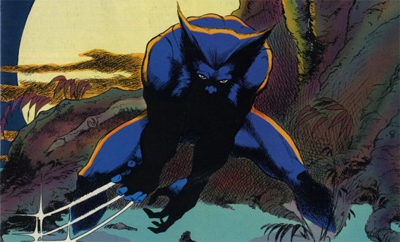
“People are not picking up the book to see the action,” Claremont explains. “People are picking up the book to see the characters.” For Claremont, one of the keys to writing Uncanny X-Men for so long was remaining true to the characters.

wolverinesavethetiger7

Continue reading

Star Trek: The Next Generation – Season 3 (Review)

This January and February, we’ll be finishing up our look at the second season of Star Trek: The Next Generation and moving on to the third year of the show, both recently and lovingly remastered for high definition. Check back daily for the latest review.

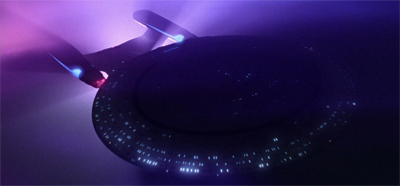
The third season is on a very short list of contenders for “the best season of Star Trek ever produced.” Maybe one or two other Star Trek: The Next Generation seasons make the list, maybe the first two seasons of the original Star Trek and maybe two seasons of Star Trek: Deep Space Nine. From beginning to end, the third season of The Next Generation hangs together remarkably well, churning out consistently entertaining adventures and several runs of truly classic episodes.

There are two main stretches in the season where the show produces episodes that could legitimately be ranked as the best of The Next Generation. The first comes around the midpoint of the season, from Yesterday’s Enterprise through to Sins of the Father, all episodes that would not look out of place on a “top ten episodes of The Next Generation” list. The second runs from Tin Man through to Sarek. And that’s ignoring the wonderful gems scattered throughout the season, from The Defector and The Hunted through to The Best of Both Worlds.

Of course, one of the most impressive aspects of the third season is the fact that the consistent quality visible on the television screen belies the chaos unfolding behind the scenes. The third season was a deeply troubled year of television, with plenty of unfortunate conflicts and moments of sheer desperation from the creative team. Perhaps the most wonderful demonstration of how far the show has come is obvious in the consistent professional quality of the output.
tng-bestofbothworlds1n

Continue reading

Non-Review Review: Fast Five

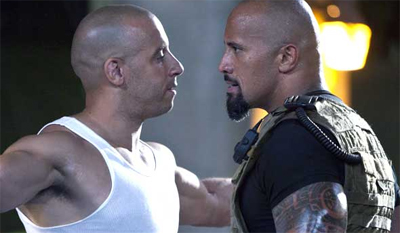
Fast Five reminds me a lot of the kinds of cars that its leads drive. Now, please excuse me if the metaphor is a bit clunky. I know nothing of cars. However, whenever we cut to inside one of these enhanced driving machines, it’s clear that virtually every unnecessary component has been stripped out in order to make room for more relevant pieces of equipment. The passenger seat, for example, has been removed and replaced with some canisters I can only assume allow the car to go faster. In many ways, Fast Five feels a bit like that. I knows exactly the film that it wants to be, and it knows exactly what it needs to be that sort of film. Anything else – whether wit, sophistication or character development – is all just dead weight between fast one-liners, impressive action sequences and effective stunt work. And, I am not ashamed to admit, I actually quite enjoyed it on its own terms.

Let’s Rock ‘n’ Roll…

Continue reading

At My Most Masochistic: Tarantino’s Bill

This is part of the blogothon put together by the Pompous Film Snob, asking bloggers to select their favourite Tarantino character. It’s a pretty stellar list of bloggers tackling some iconic characters, so it’s well worth a look. Check them out, here. I’m a bit late in publishing this one.

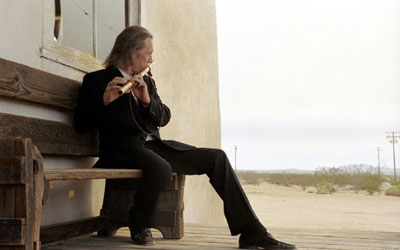
Kill Bill is a remarkable film. It’s an impressive work – so impressive that it is split across two parts. What’s really impressive about it, though, is just how big a departure is represented from Tarantino’s body of work in the nineties. Tarantino made his reputation taking basic scenarios with which we’re all familiar, but putting a new twist on them – for example, Reservoir Dogs takes place in the aftermath of a botched robbery or True Romance followed a young couple a cross-country elopement, running from the criminals rather than the law or Pulp Fiction followed a variety of intersecting stories which spring out of a deal and betrayal between bad men (it’s all set in motion with Jules and Vincent recovering something stolen from Marsellus). Here, however, Tarantino is doing something different. Rather than providing a unique angle on an archetypal story, he’s instead playing out the story to its logical conclusion. Kill Bill, Vol. I is a most typical revenge ploy, albeit perfectly executed. However, Kill Bill, Vol. II takes that idea and picks it apart. The characters who serve as plot functions in the first half become real human beings in the second. Seen as Bill arguably has the most screentime across both films (apparent from the Bride) it’s fascinating to see what he begins as, and how he ends up.

Bill is just fluting around...

Continue reading