I published a new In the Frame piece at The Escapist yesterday evening. With the release of Superman: The Animated Series in high-definition on HBO Max in March, it seemed like an opportunity to take a look back at the underappreciated entry in the DC Animated Universe.
Superman: The Animated Series tends to get overshadowed in discussions of the DCAU by the two shows either side of it, by the earlier Batman: The Animated Series and by the two later Justice League series. However, Superman: The Animated Series is an interesting bridge between the two, eschewing the “villain of the week” structure of Batman: The Animated Series to instead focus on long-form storytelling that developed character and built the world in ways that would pay off in the later spin-offs. It remains one of the best takes on the Man of Steel.
You can read the piece here, or click the picture below.
So, as I have mentioned before, I am launching a new video series as a companion piece to In the Frame at The Escapist. The video will typically launch with every second Monday article, and be released on the magazine’s YouTube channel the following week. This is kinda cool, because we’re helping relaunch the magazine’s film channel – so if you can throw a subscription our way, it would mean a lot.
This week, following the end of The Falcon and the Winter Soldier, it seemed like a good time to take a look back on the series and in particular its relationship to the larger Marvel Cinematic Universe. In many ways, The Falcon and the Winter Soldier is a show that exists in conversation with the larger Captain America franchise.
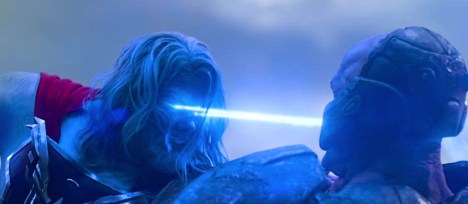
I’m thrilled to be launching 3-Minute Reviews on Escapist Movies. Over the coming weeks and months, I will be joining a set of contributors in adding these reviews to the channel. For the moment, I’m honoured to contribute a three-minute film review of the new Jupiter’s Legacy series that is now available on Netflix.
Coinciding with The X-Files‘ move from Vancouver to Los Angeles, there has also been a shift at The X-Cast. Tony Black is no longer running the show, but it is instead now being run by Sarah Blair, Kurt North and Carl Sweeney. I was thrilled to join Carl to talk about the sixth season finale: Biogenesis.
Following Two Fathers and One Son in the middle of the sixth season, Biogenesis is a very odd season finale for The X-Files. It’s the only season finale that doesn’t have the luxury of hanging on the central mythology and which isn’t designed to serve as a potential finale for the series as a whole. As a result, it’s a very odd episode of television, and offers an interesting prism on the tropes and conventions of The X-Files.
You can listen to the episode here, or click the link below.
I published a new In the Frame piece at The Escapist yesterday evening. With the release of the first season volume of Jupiter’s Legacy on Netflix, it seemed like an opportunity to talk about the weirdness of the Netflix bloat.
The first season of Jupiter’s Legacy is eight episodes long, but covers about as much narrative real estate as the first two issues of Mark Millar and Frank Quitely’s comic book. The season doesn’t even get to what is effectively the big inciting incident for the bulk of the comic book, instead stretching certain plot points and certain threads past breaking points. It’s not that Netflix departs or deviates from the source material; it’s often quite faithful in quoting from the comic. It’s that the show can’t seem to even get started.
You can read the piece here, or click the picture below.
With a slew of Marvel Studios productions coming to Disney+ over the next six months, The Escapist has launched a weekly show discussing these series. I’ll be joining the wonderful Jack Packard and the fantastic KC Nwosu to break down WandaVision, Falcon and the Winter Soldier and Loki as they come out.
This week, we take a look back at the first season of Falcon and the Winter Soldier, including the news that Sam Wilson will be wielding the shield in Captain America 4 and trying to make sense of some of the season’s more chaotic plotting decisions.
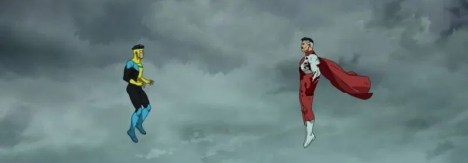
I published a new In the Frame piece at The Escapist yesterday evening. With the end of the first season of Invincible, it seemed like a nice opportunity to take a look at what makes the animated superhero show so interesting.
A lot of the discussion of Invincible has focused on the violence of the show, with many commentators arguing that Invincible is a deconstruction of classic superhero tropes. However, what’s striking about Invincible is what this violence conceals. At its core, Invincible is a surprisingly earnest and conventional superhero story, executed with a minimum of ironic detachment and self-aware distance. It is not a deconstruction of the tropes of superhero storytelling, but an earnest celebration of them.
You can read the piece here, or click the picture below.
I published a new In the Frame piece at The Escapist this evening. With the announcement that Anthony Mackie would be reprising his role as Sam Wilson in Captain America 4, it seemed like a good opportunity to take stock of what is happening with Marvel’s streaming series.
Disney have long insisted that streaming represents the future of the company, investing heavily in bringing their existing brands to the medium. However, even with the boost that the pandemic has brought to streaming, there is a question to be asked about where the future of the Marvel Cinematic Universe lies. Are shows like WandaVision and The Falcon and the Winter Soldier paving the future of the MCU? Or are they just commercials for big-ticket feature films?
You can read the piece here, or click the picture below.
With a slew of Marvel Studios productions coming to Disney+ over the next six months, The Escapist has launched a weekly show discussing these series. I’ll be joining the wonderful Jack Packard and the fantastic KC Nwosu to break down WandaVision, Falcon and the Winter Soldier and Loki as they come out.
This week, we take a look at the final episode of Falcon and the Winter Soldier, which has a lot to wrap up. Can the show stick the landing?
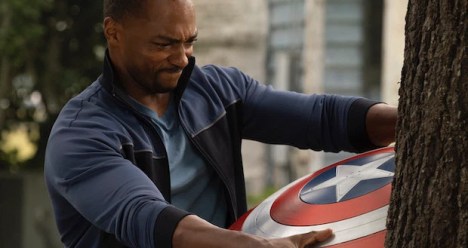
I published a new In the Frame piece at The Escapist this evening. As The Falcon and the Winter Soldier winds down its season, it seemed like a good opportunity to consider the show’s approach to the question: “What does Captain America stand for?”
It has been a turbulent few years for American identity, and it makes sense that a television about a character carrying the mantle of “Captain America” should have to figure out what that title means. The biggest issue with The Falcon and the Winter Soldier is that it defines the concept of “Captain America” in negative terms. The series is more preoccupied with what Captain America isn’t than what he actually and actively is.
You can read the piece here, or click the picture below.



















 the m0vie blog