












This August (and a little of September), we’re taking a trip back in time to review the second season of The X-Files. In November, we’ll be looking at the third season. And maybe more.
The horror genre is much maligned.
Horror films typically fight harder for recognition than films in many other genres – often finding themselves consigned to the same ghetto as science-fiction or fantasy films. They are less likely to take home major mainstream awards, and it seems like horror films typically have to wait longer for reappraisal. Outside of aficionados, there’s a wariness of the horror genre – a skepticism towards it.

Window of opportunity…
There are a lot of reasons for that. Some of them make sense; some of them don’t. One of the more common assumptions about horror is that the genre is more likely to produce “cheap” or “trashy” entertainment, as opposed to something more profound or insightful. There are, again, lots of reasons for this assumption. Most obviously, there’s the absurd cost-to-profit ratio of cheap terrible horror films that incentivises studios to churn out as many as they can as fast as they can. There’s a reason there’s an absurd number of Saw sequels.
However, that “cheapness” or “trashiness” isn’t just a result of business decisions. There are certain story tropes and narrative techniques that exist within the horror genre that feel like the cheapest sort of thrills. If you want to make an audience uncomfortable, just throw in something one of those trashier elements. As long as the audience squirms in their seats, it doesn’t matter what the implications of your decisions are. After all, your job is to creep them out?
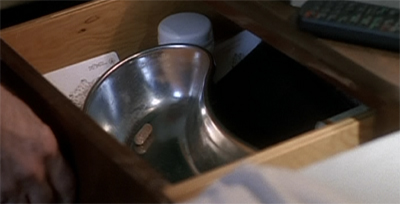
Bitter little pill…
So horror takes all manner of shortcuts, without any real thought as to what those elements actually mean. They are just something that catches the audience off-guard and makes them sit up in their seat. So horror tends to indulge in the worst sorts of racism and sexism as a means of drawing any sort of response from the audience. These tried-and-tested horror staples become effective storytelling shortcuts. The foreign becomes horrific. Conservative sexual morality is enforced with brutality. Rape – literal or metaphorical – is a cheap thrill.
The X-Files struggles with these sorts of issues as it tries to bring horror to television. It occasionally does a very good job. However, there are also times when the series gives into its baser instincts. Excelsis Dei is an absolutely terrible episode, and an example of why the horror genre gets written off by so many people so quickly. It’s a poorly constructed hour of television, one about how old men are perverts, the rape of an under-developed character is a story hook and foreigners are magic.
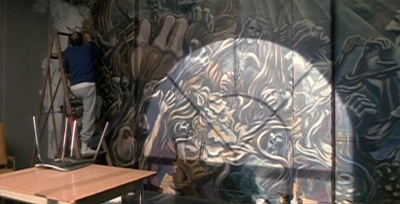
The writing (or fine art) is on the wall…
Filed under: The X-Files | Tagged: chris carter, excelsis dei, exploitation, horror, mulder, old men, racism, rape, scully, the x-files, x-files, xenophobia | 8 Comments »



 the m0vie blog