• Following Us

  • Categories

  • Check out the Archives


  • Awards & Nominations

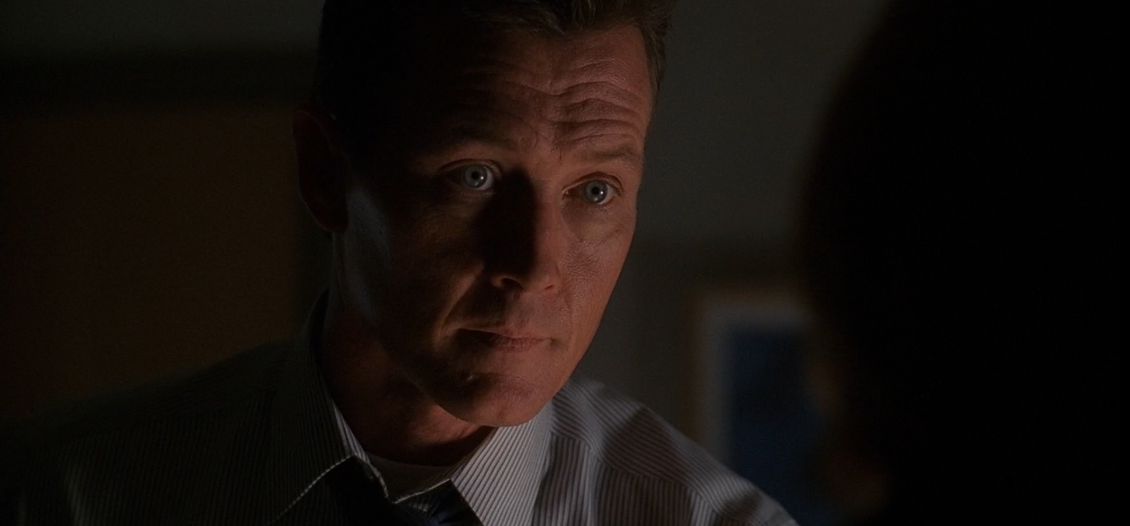
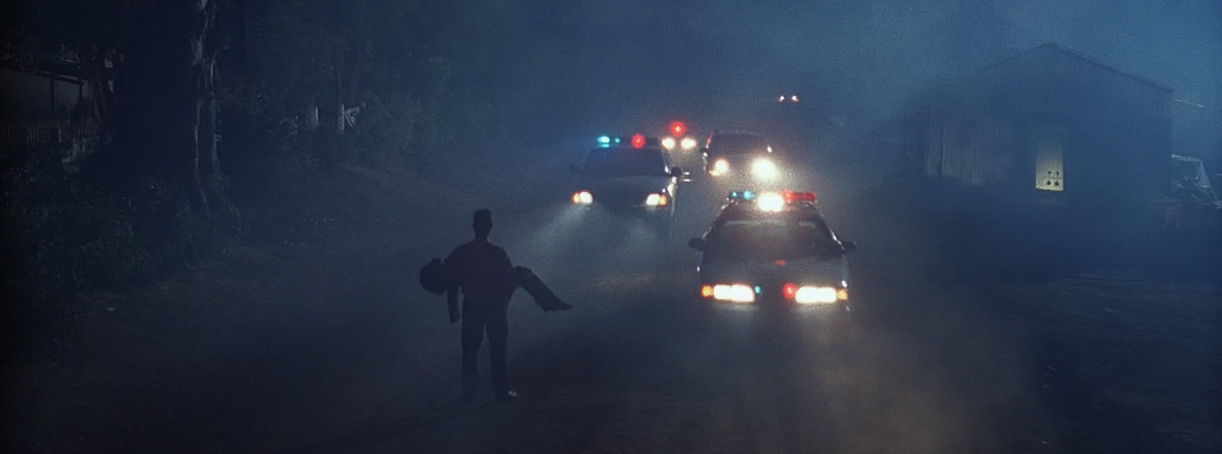
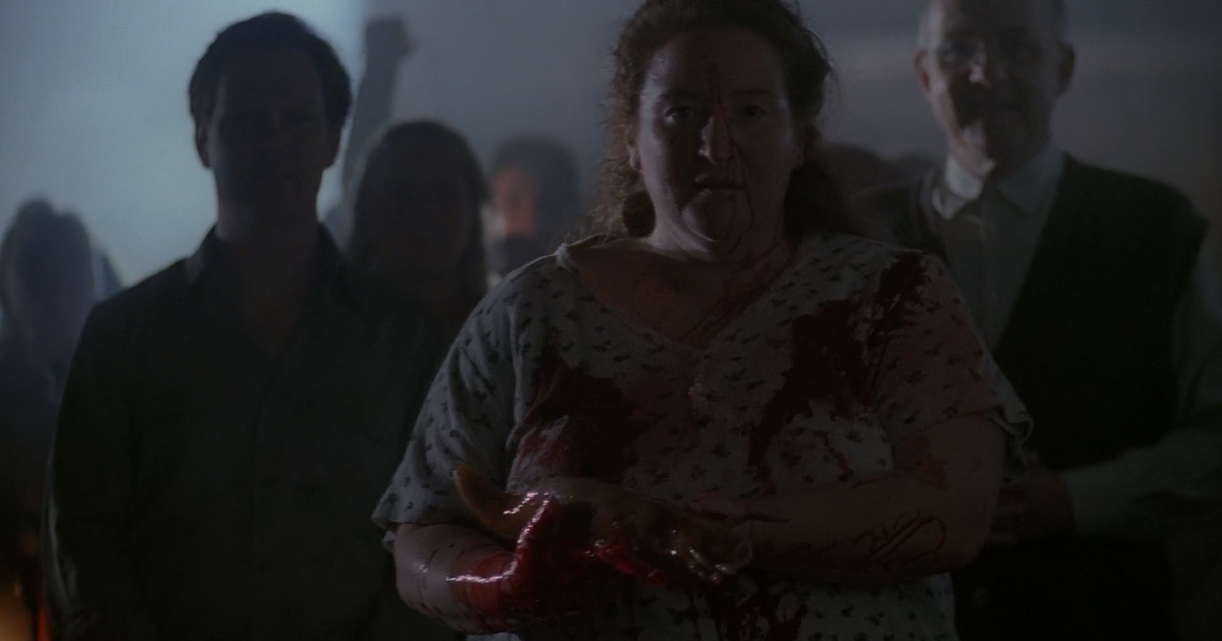
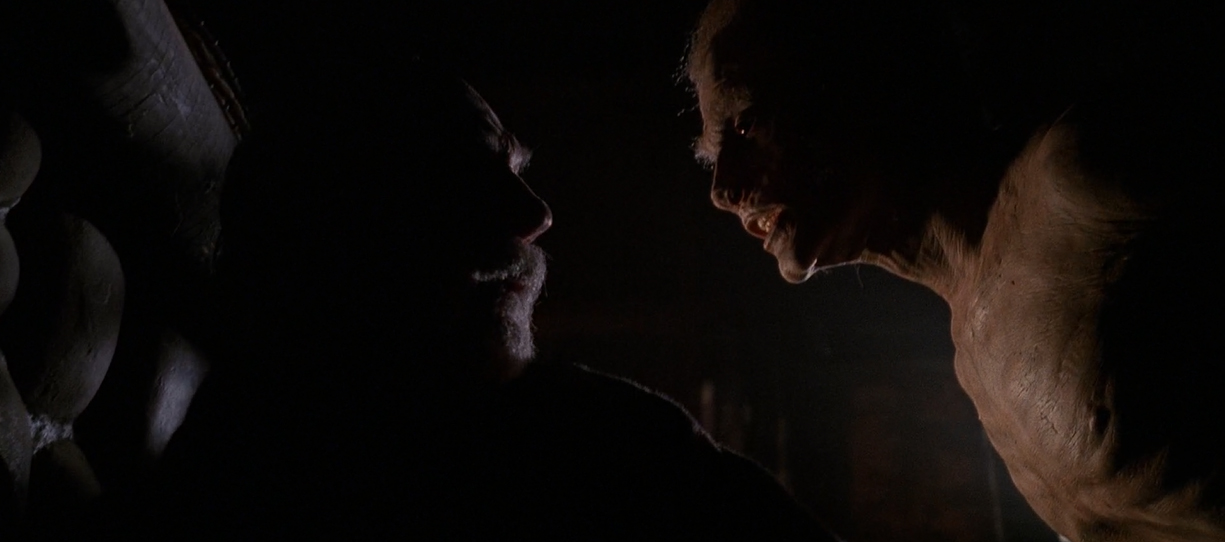
The X-Files – Via Negativa (Review)

This October/November, we’re taking a trip back in time to review the eighth season of The X-Files and the first (and only) season of The Lone Gunmen.

Why no! I never thought other than
That God is that great absence
In our lives, the empty silence
Within, the place where we go
Seeking, not in hope to
Arrive or find. He keeps the interstices
In our knowledge, the darkness
Between stars. His are the echoes
We follow, the footprints he has just
Left. We put our hands in
His side hoping to find
It warm. We look at people
And places as though he had looked
At them, too; but miss the reflection.

– R.S. Thomas, Via Negativa

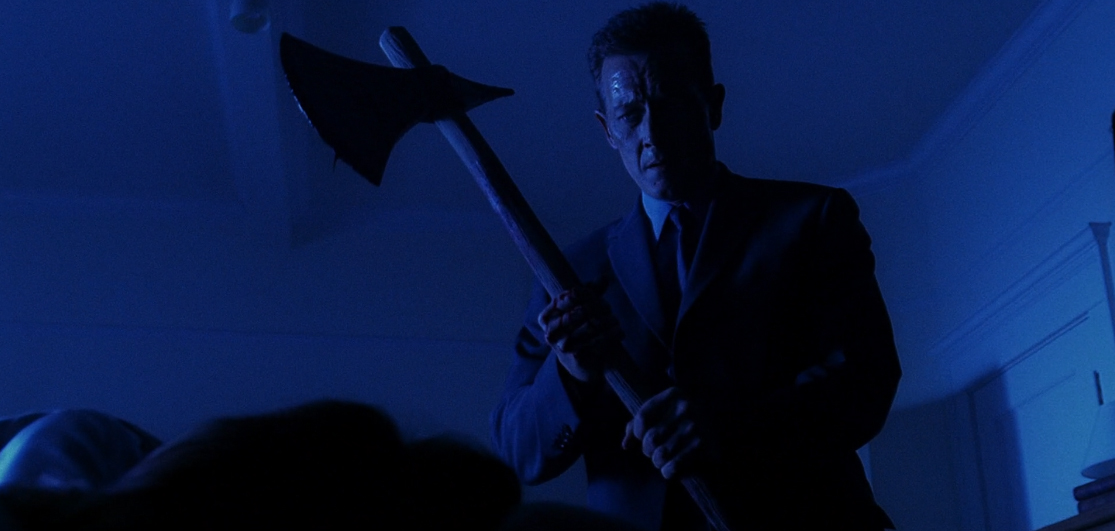
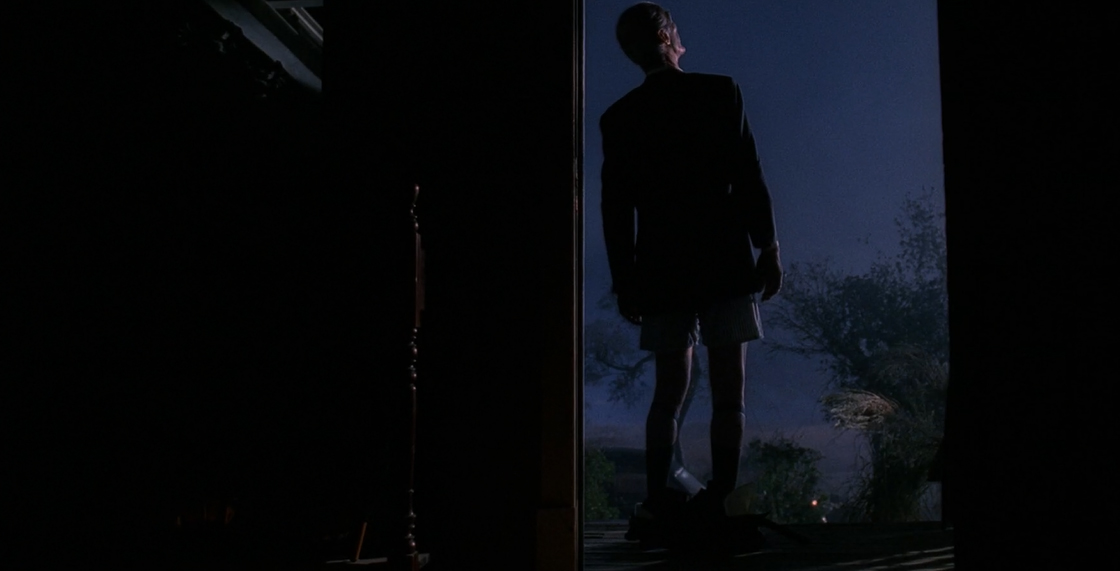
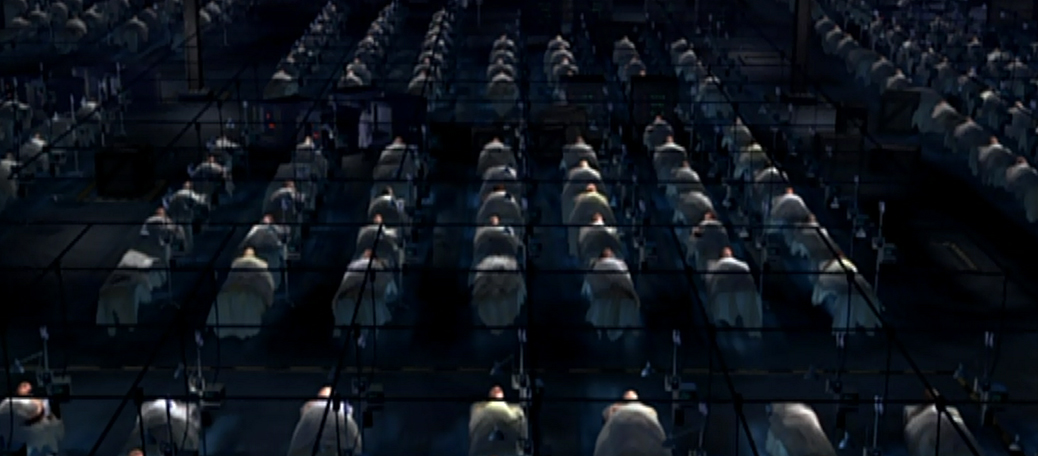
Facing the axe...

Facing the axe…

Continue reading

The X-Files – Redrum (Review)

This October/November, we’re taking a trip back in time to review the eighth season of The X-Files and the first (and only) season of The Lone Gunmen.

Redrum is perhaps notable as the highest concept episode of the eighth season of The X-Files, a character drama that unfolds backwards.

As a rule, the eight season is more conservative than the seasons around it. In terms of narrative, it may be the most conservative season of The X-Files since the show’s first year. Redrum is perhaps the season’s biggest formal experiment. While very few high-profile prime-time television shows would attempt to tell a story backwards, Redrum feels a lot less bold than something like HumbugJose Chung’s “From Outer Space”Musings of a Cigarette-Smoking Man, The Post-Modern Prometheus, Bad Blood, Triangle, X-Cops or even Improbable.

A tangled web...

A tangled web…

On paper, this should be a highlight of the season. Redrum features a guest performance from Joe Morton, receiving a coveted “special guest star” credit for his work. (Notably, Kim Greist did not earn a similar credit on Invocation.) The high-concept premise of the episode seems like it would make a great pitch for Sweeps, like X-Cops did only a year earlier. In fact, Redrum was produced as the first stand-alone episode of the season, priming it for the slot occupied by Drive and Hungry in earlier seasons.

There is a sense that the production team are wary of Redrum. The episode was pushed back from its production slot relatively deep into the season. It was with second-last episode of the eighth season to air before the Christmas break. The show attracted a relatively small amount of publicity, particularly as compared to the “where’s Mulder?” hype of that greeted the début of the season. There is a sense that Redrum would have garnered more attention only a year or two earlier.

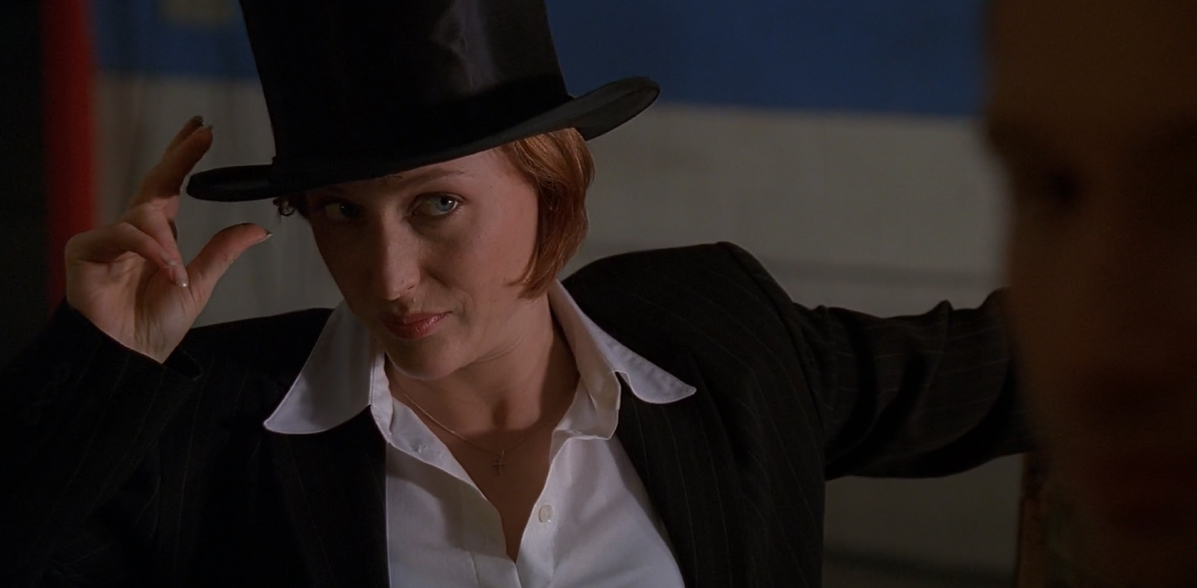
"The teacup that I shattered did come together."

“The teacup that I shattered did come together.”

It is easy to see why the production team were so wary of Redrum. The eighth season is a point of transition for The X-Files. The show is still reeling from the loss of David Duchovny; there is a sense that the show never moves past that. The agenda for the eighth season is to convince viewers that The X-Files is still a viable television show, even without the lead actor who helped to make it famous. While the show is smart enough not to downplay the change, the production team are keen to demonstrate the show can still do what it always did.

As such, the eighth season finds the show adopting a “back to basics” approach, harking back to many of the tropes that made The X-Files such a breakout hit in the first place. There is a lot more horror and mood in the eighth season, a lot more of the traditional scares. That means that Redrum ends up feeling very much like the odd episode out.
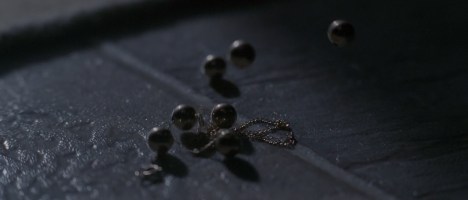
It's all gone a bit Martha Wayne...

It’s all gone a bit Martha Wayne…

Continue reading

The X-Files – Invocation (Review)

This October/November, we’re taking a trip back in time to review the eighth season of The X-Files and the first (and only) season of The Lone Gunmen.

There is something rather strange about how the first six episodes of the eighth season approach Doggett as a character.

Despite the fact that he is one of the two leads on The X-Files, the series takes its time in getting around to him. Robert Patrick is effectively stepping into the shows of David Duchovny, but the early stretches of the eighth season seem quite unsure what to make of Special Agent John Doggett. Robert Patrick might appear in the opening credits, but there is a sense that the writing staff are not yet entirely comfortable with the character. Perhaps worried about alienating fans still grieving for Mulder, the show keeps a respectful distance from Doggett.

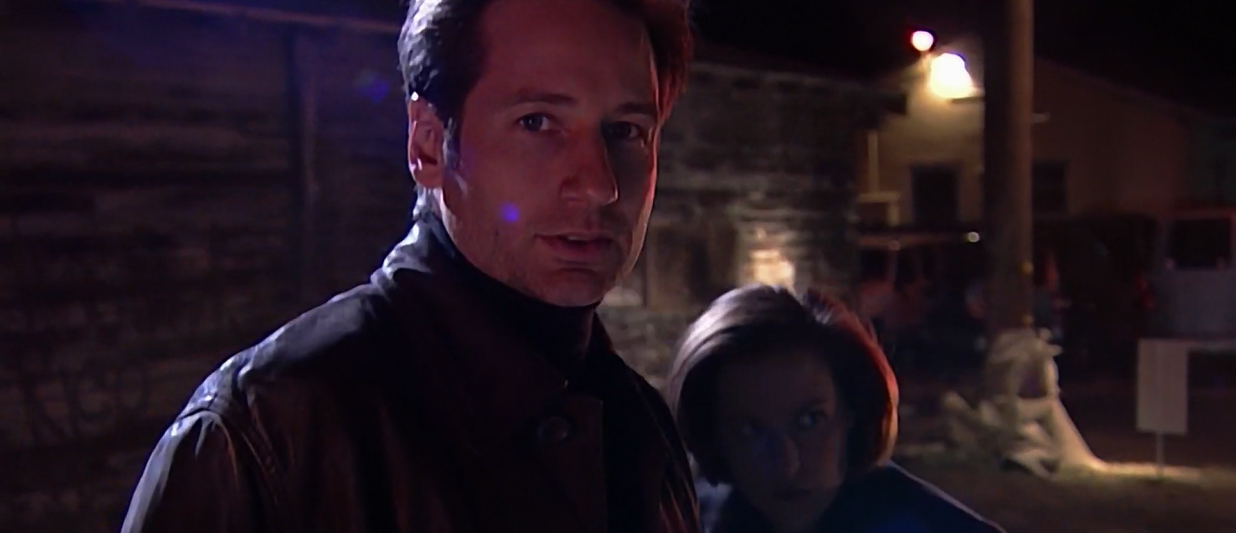
Good grief.

Good grief.

Within and Without introduced Doggett as the agent in charge of the hunt for Mulder. While Scully and Skinner were looking at Mulder as a potential victim, they frequently found themselves competing with Doggett’s decisions to paint Mulder as a potential suspect. Doggett was introduced in a surprisingly abrasive manner, literally (and clumsily) attempting to undermine the relationship between Mulder and Scully – perhaps a literal expression of fannish anxiety about the show’s new lead.

This is not to suggest that the show has been hostile (or even disinterested) towards Doggett. Both Patience and Roadrunners emphasise that Scully needs to learn to trust Doggett and that he really does have her best interests at heart. However, the show tends to look at Doggett as an object of curiousity. In the first six episodes of the season, the show tends to view Doggett from an outside perspective. He might play an active role in the narrative, but he is not really a viewpoint character.

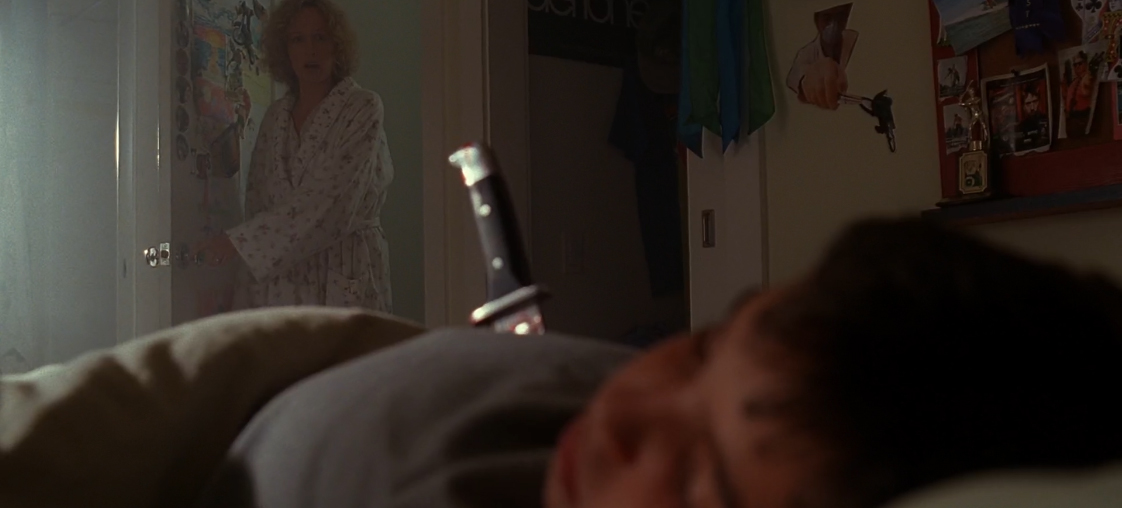
Knife to see you...

Knife to see you…

The show generally approaches Doggett through the character of Scully. (In Redrum, it is Martin Wells.) Leaning heavily on Scully makes sense; the audience trusts Scully, so if she can trust Doggett then maybe they can as well. More than that, it offers a nice twist on the dynamic during the first season of the show. In The Pilot, Scully was introduced as a viewpoint character into the bizarre world of Fox Mulder. Seven years later, the audience is so accustomed to that bizarre world that she is the viewpoint character into the grounded world of John Doggett.

This decision to treat Scully as the viewpoint character gives Invocation a surreal tone. In many ways, Invocation is the show’s first real Doggett-centric story; it is the first time that the character gets to drive the central narrative instead of running in parallel, it is the first time that the show hints at a personal back story for Doggett beyond “generic law enforcement and armed forces experience.” However, it is all filtered through the lens of Dana Scully. It emphasises the fact that Doggett is a mystery, which seems strange given how straight-laced he seems.

"Luke, I was your father."

“Luke, I was your father.”

Continue reading

The X-Files – Roadrunners (Review)

This October/November, we’re taking a trip back in time to review the eighth season of The X-Files and the first (and only) season of The Lone Gunmen.

In case there was any doubt, Roadrunners proves that the eighth season of The X-Files means business.

In some ways, it seems remarkable that Roadrunners did not receive a warning about graphic content. The season would wait until Via Negativa before offering a viewer discretion advisory. Roadrunners is one of the most uncomfortable and unsettling episodes in the show’s nine-season run, one that cements the “back to basics” horror aesthetic of the eighth season as a whole. It was clear from the opening three episodes that the eighth season was intended as a return to the darkness of the first five seasons, but Roadrunners commits to the idea.

Off-road...

Off-road…

Roadrunners is a “back to basics” script in a number of ways, even beyond its very graphic horror stylings. It is a very good “small town” story, returning to the motif that populated many of the show’s early episodes. It is a story about an eccentric and isolate space in America, a place with its own unique character and its own rich history and traditions. It is a place that stands quite apart from the modern world, that might have looked the same at the turn of the twentieth century as it does at the start of the twenty-first.

Roadrunners could be seen as Vince Gilligan’s answer to Home, a similarly brutal (and unsettling) small-town tale.

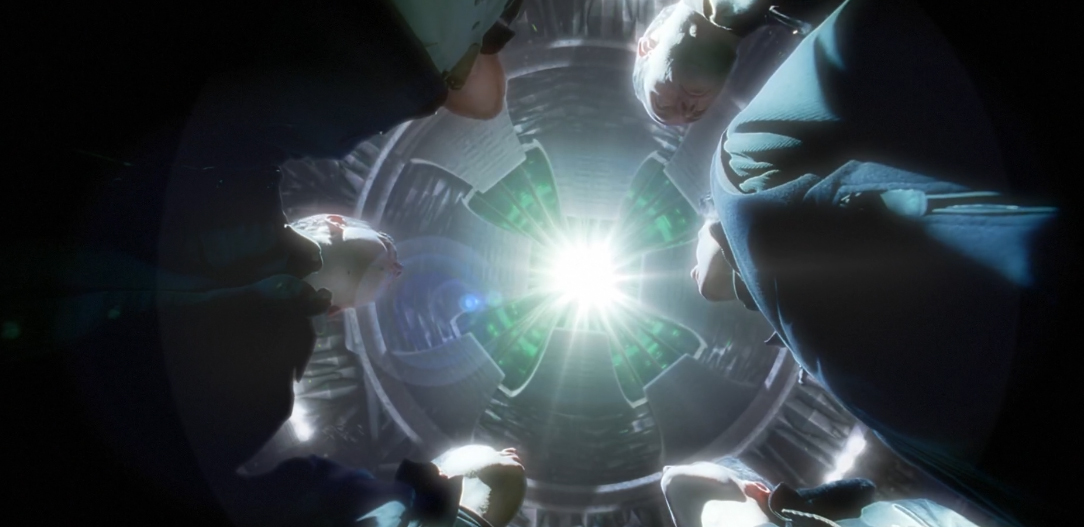
"On to new business. Today's mission is for all of you to go to the brain slug planet." "What are we going to do there?" "Just walk around not wearing a helmet."

“On to new business. Today’s mission is for all of you to go to the brain slug planet.”
“What are we going to do there?”
“Just walk around not wearing a helmet.”

Continue reading

The X-Files – Patience (Review)

This October/November, we’re taking a trip back in time to review the eighth season of The X-Files and the first (and only) season of The Lone Gunmen.

Patience is necessary.

The eighth season of The X-Files is conservative. There are arguments to be made that this is true in a political sense, but it is certainly true in a narrative sense. The eighth season generally plays it quite safe when it comes to the structuring and plotting. The most structurally ambitious episode of the eighth season is perhaps Redrum, which feels a lot less “out there” than episodes like The Post-Modern Prometheus, Bad Blood, Triangle, X-Cops or First Person Shooter. Narratively, the eighth season plays it relatively “safe.”

Batsh!t crazy...

Batsh!t crazy…

There is a reason for this, of course. Losing David Duchovny for half the season and rotating in Robert Patrick represents perhaps the biggest risk that the show will ever take. Given how essential Duchovny had been to the show’s success, the eighth season is taking quite the gamble. With that in mind, it makes sense to play it safe. Without Mulder around, the show’s primary goal is to reassure fans that it is still The X-Files. This is not the time for experimental “event” episodes, because “Mulder is not in this episode” is an experimental event of itself.

As such, the eighth season feels largely like a return to a more traditional X-Files aesthetic, a “back to basics” approach. In that respect, Patience is essentially about kicking the tires and taking the show for a gentle test drive in its new configuration.

The show won't be caught with its pants down...

The show won’t be caught with its pants down…

Continue reading

The X-Files – Without (Review)

This October/November, we’re taking a trip back in time to review the eighth season of The X-Files and the first (and only) season of The Lone Gunmen.

Taken as a whole, the eighth season of The X-Files is remarkable.

It is not a perfect season of television, by any stretch. The eighth season doesn’t hit as many highs as the fourth, fifth or sixth seasons. As great as Robert Patrick is as John Doggett, and as skilfully as he is introduced, it is impossible to replace the easy dynamic between Mulder and Scully. The actual mythology of the season feels overcrowded and convoluted, with “supersoldiers” feeling a tad cliché and Mulder’s terminal illness going nowhere of note. The season’s recurring motifs of darkness, death and body horror are not for everybody.

I bet David Duchovny really missed working on The X-Files...

I bet David Duchovny really missed working on The X-Files

At the same time, there is a staggering consistency and reliability to the season. From the outset, the eighth season seems to know what it wants to be and where it wants to go. There is a stronger sense of purpose to the eighth season than to any other season of the show, with the possible exception of the third. Even the lead-up to the release of The X-Files: Fight the Future did not feel this single-minded and focused. In terms of consistency of theme and imagery, this is the closest the show ever came to pulling off a season-long arc.

It is tempting to credit this renewed vigour and energy to the absence of David Duchovny; the search for Mulder provides a solid and compelling hook for the season ahead. However, there is more to it than that. Mulder’s disappearance is a part of it, but the big thematic bow wrapped around the eighth season is Scully’s pregnancy. After all, David Duchovny returns to the show two-thirds of way through the season; it is Scully’s pregnancy that provides the season’s finalé.

"Thank goodness we all wore different ties. That might have been awkward."

“Thank goodness we all wore different ties. That might have been awkward.”

Continue reading

The X-Files – Within (Review)

This October/November, we’re taking a trip back in time to review the eighth season of The X-Files and the first (and only) season of The Lone Gunmen.

What is The X-Files without Mulder? Can it even exist without Mulder?

The show entered its eighth season facing an existential dilemma. David Duchovny had renewed his contract with Fox at the last possible minute, three days before Requiem consigned his character to limbo. However, it was not necessarily the renewal that Fox would have wanted. Duchovny had agreed to reprise the role of Mulder in the eighth season of The X-Files, but only for eleven of the season’s twenty-one episodes. This meant that the character of Mulder could only actually appear in just over half of the season’s episodes.

Eye see...

Eye see…

This was a pretty significant blow to The X-Files. The title of the show referred to the procedural cases investigated by Mulder and Scully, but the series had long abandoned any pretense of focusing on those cases ahead of Mulder and Scully. David Duchovny and Gillian Anderson had elevated the characters to pop culture icons, with any pop savvy person capable of easily slipping a reference to Mulder and/or Scully into casual conversation. The chemistry between the two was so strong it forced the global conspiracy to second billing in The X-Files: Fight the Future.

Attempting The X-Files without Mulder (or with “just under fifty percent less Mulder”) was perhaps the most daring and ambitious decision of the show’s entire nine-season run.

"And introducing Robert Patrick."

“And introducing Robert Patrick.”

Continue reading

The X-Files – Season 7 (Review)

This September, we’re taking a trip back in time to review the seventh season of The X-Files and the first (and only) season of Harsh Realm.

The seventh season of The X-Files feels like the end.

Indeed, going into the season, the production team were quite certain that it was going to be the end. Chris Carter and David Duchovny had signed two-year extensions to their initial five-year contracts that would expire at the end of the season. David Duchovny had signalled that he was unlikely to return for an eighth season. Frank Spotnitz suggested that the writing staff were approaching the seventh season like it was their last time working with these characters on this show.

xfiles-requiem37

Gradually, however, things changed. As the seventh season continued, it became more and more likely that it wouldn’t be the seventh season of the show. Most obviously, Fox endured one of its worst seasons on record; there was simply no show that could hope to replace The X-Files in the network’s line-up. As a result, there was a clear urge to continue the show into an eighth season. However, the production team could not commit to the possibility because David Duchovny was in the midst of an on-going lawsuit against Fox.

As a result, the entire seventh season occupies a hazily-defined realm between life and death. As the season goes on, it feels more and more like the seventh season is hedging its bets; that the production team might be happy to move on to other projects, but are not entirely ready to give up on The X-Files yet. Watching the season in hindsight feels weird; it often feels like the production team want to bring the curtain down, but are unwilling to definitively or conclusive wrap up all the threads.

xfiles-xcops8a

If the sixth season of The X-Files fixated on the show’s immortality and timelessness, the seventh season plays as a reaction against that. The seventh season is very keenly aware that everything must end and that The X-Files‘ cultural moment might be fading. There is something mournful and morose about the seventh season, as if The X-Files is watching itself slip away into history. After all, this was the point where the show became readily available on DVD and where Duchovny was engaged in a lawsuit over syndication; The X-Files was becoming a legacy concern.

The seventh season is about death and undeath.

xfiles-theamazingmaleeni15a

Continue reading

Harsh Realm (Review)

This November, we’re taking a trip back in time to review the seventh season of The X-Files and the first (and only) season of Harsh Realm.

Harsh Realm seems destined to be a curiosity in the career of Chris Carter.

Sure, other projects would fail. Millennium had lasted three seasons, but its audience had been in decline since the second episode was broadcast. The Lone Gunmen would fold after only half a season. However, nothing was quite as sudden and brutal as the failure of Harsh Realm. The show did not even make it to half a season. It was cancelled by the network during the production of its ninth episode, after only three episodes had aired. The six unaired episodes were shunted over to FX, where they could be broadcast away from the media spotlight.

harshrealm-pilot34

This might not have been such a big deal if it wasn’t the first project developed by Chris Carter as part of his new contract at Fox, if it hadn’t been hyped up and analysed and debated. Harsh Realm was one of the most talked about new dramatic shows of 1999, and so its death was not a quiet or dignified affair. The cancellation became something of a public spectacle. Most of the attention fell on Fox Chief of Programming Doug Herzog, who seemed to be out of his depth running a major network.

Inevitably, though, some of the attention was focused on Chris Carter. Harsh Realm was a spectacular commercial failure for Carter, and one which raised questions about whether Carter and his production team were ready to face the twenty-first century.

harshrealm-leviathan5

Continue reading

The X-Files – Requiem (Review)

This September, we’re taking a trip back in time to review the seventh season of The X-Files and the first (and only) season of Harsh Realm.

As with a lot of the seventh season, Requiem is an oddity.

It is an episode that exists in a weird limbo state, carefully designed and calibrated so that it might serve two – if not three – very different purposes. Requiem was written and filmed at a point where nobody knew what was going to happen next. Requiem could have been either a season or a series finalé; it could have been the last episode of the seventh season, the last episode of the series before the launch of a movie franchise, or even just the last episode ever. That is a lot of weight to put on a single episode.

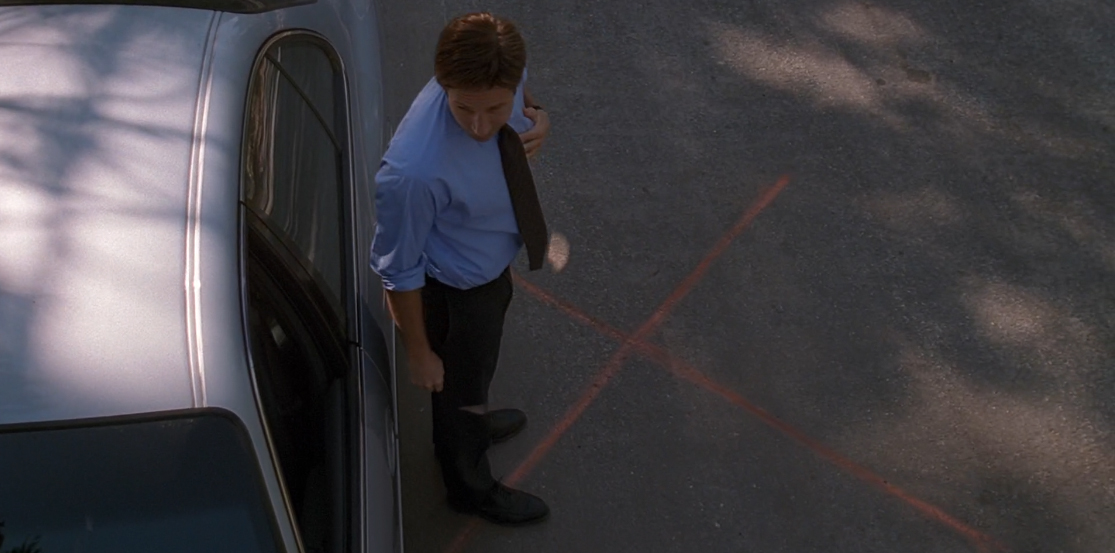
"X" marks the spot where it all began...

“X” marks the spot where it all began…

In essence, Requiem existed in a state of ambiguity and flux. It was never entirely sure what Requiem would be when Chris Carter wrote it or when Kim Manners directed it. Requiem had to be designed to be fluid and malleable; it had to support any context that might be heaped upon it in the editing suite or on broadcast. Stories like Jose Chung’s “From Outer Space” and Bad Blood had explored the blurred boundaries of reality and perception; Requiem is perhaps that idea applied to the show itself.

Chris Carter could tell you what happened in Requiem as it went through production. He could explain plot details and character motivation; he could outline the chain of events that bind Requiem together. However, it was impossible for anybody working on Requiem to actually assert what the episode was until three days before the episode aired. Until that point, Requiem was a shadow or a blur, just waiting for some larger context to bring it into proper focus.

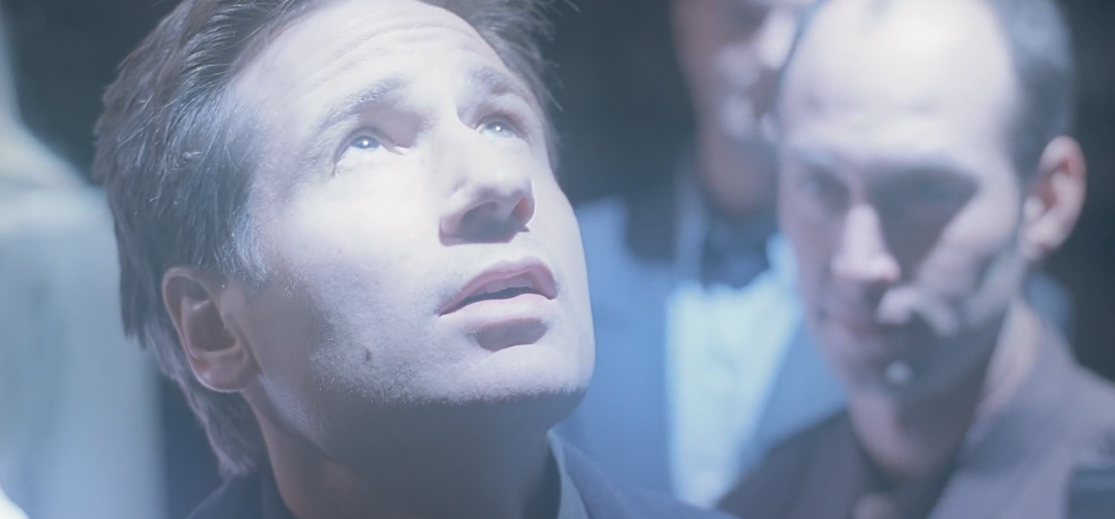
Things are looking up...

Things are looking up…

Continue reading