• Following Us

  • Categories

  • Check out the Archives


  • Awards & Nominations

Tintin: Red Rackham’s Treasure (Review)

In the lead-up to the release of The Adventures of Tintin: The Secret of the Unicorn, I’m going to be taking a look at Hergé’s celebrated comic book character, from his humble beginnings through to the incomplete post-modern finale. I hope you enjoy the ride.

I have to admit to being just a little bit lukewarm to The Secret of the Unicorn as an entry in The Adventures of Tintin. However, the second part in the adventure, Red Rackham’s Treasure, is a much stronger instalment, standing on its own two feet. Part of me has always liked the more exotic Tintin adventures, but I reckon a large part of the appeal of this instalment is seeing Hergé resurrect a genre that has been left fallow for quite a few decades: the good old-fashioned treasure hunt.
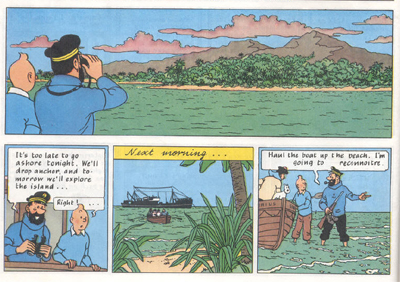
Are Tintin and Haddock LOST?

Continue reading

Tintin: The Secret of the Unicorn (Review)

In the lead-up to the release of The Adventures of Tintin: The Secret of the Unicorn, I’m going to be taking a look at Hergé’s celebrated comic book character, from his humble beginnings through to the incomplete post-modern finale. I hope you enjoy the ride.

The Secret of the Unicorn is the basis of the upcoming live-action adaptation of The Adventures of Tintin, as directed by Steven Spielberg. It will form the basis for the film, along with The Crab With the Golden Claws and the second part of this adventure, Red Rackham’s Treasure. While Cigars of the Pharaoh fed into The Blue Lotus and Tintin in the Congo led into Tintin in America, The Secret of the Unicorn and Red Rackham’s Treasure represent the first real two-part story in Hergé’s series, and you can feel the writer appreciating the opportunity to spread his adventure over two volumes of the series.

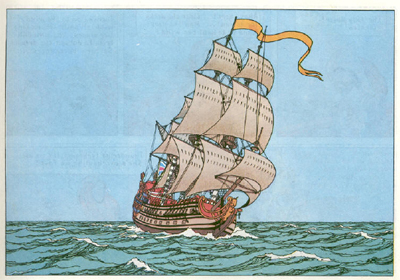
Set sail for adventure!

Continue reading

Tintin: The Shooting Star (Review)

In the lead-up to the release of The Adventures of Tintin: The Secret of the Unicorn, I’m going to be taking a look at Hergé’s celebrated comic book character, from his humble beginnings through to the incomplete post-modern finale. I hope you enjoy the ride.

It’s very strange to return to material you read as a child. Occasionally – as when reading King Ottokar’s Sceptre – you find a lot more than you remember. However, reading The Shooting Star, I was quite surprised to find the more surrealist elements I so strongly recalled – foreshadowed by the giant mushroom on the cover and the not-so giant spider on the telescope – were pretty much confined to the last ten pages of the adventure. Reading it again, I was incredibly impressed with the atmospheric opening scenes and the wonderful race to the fallen meteorite, both elements downplayed in my memory to giant apples and exploding mushrooms. It’s things like this that make me glad I decided to revisit the series for the occasion.

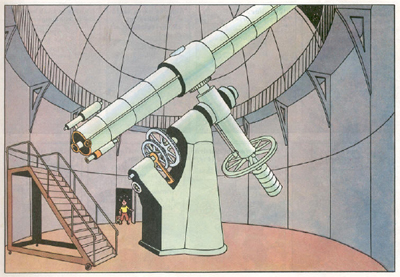
Tintin scopes out the observatory...

Continue reading

Tintin: The Crab With the Golden Claws (Review)

In the lead-up to the release of The Adventures of Tintin: The Secret of the Unicorn, I’m going to be taking a look at Hergé’s celebrated comic book character, from his humble beginnings through to the incomplete post-modern finale. I hope you enjoy the ride.

The Crab With the Golden Claws is the first of three Tintin stories that were used as the basis of Steven Spielberg’s upcoming The Adventures of Tintin: The Secret of the Unicorn (the other two being, obviously, The Secret of the Unicorn and its sequel, Red Rackham’s Treasure). The Crab With the Golden Claws was originally written during the Nazi occupation of Belgium, when Hergé feared that his then on-going storyline The Land of Black Gold would have proved too politically charged for the country’s new governing force. So the adventure was essentially written as filler, a bit of light entertainment to take the minds of his headers as far away from the political reality as possible. And it certainly succeeds as one of the lighter and brisker adventures in the series, with one major addition to the franchise’s mythos in the form of Captain Archibald Haddock.

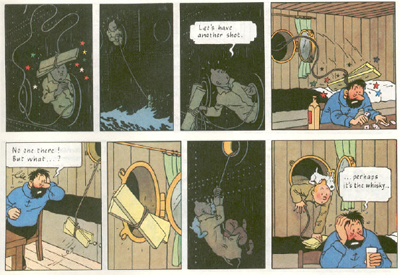
This could be the start of a beautiful friendship...

Continue reading

Tintin: King Ottokar’s Sceptre (Review)

In the lead-up to the release of The Adventures of Tintin: The Secret of the Unicorn, I’m going to be taking a look at Hergé’s celebrated comic book character, from his humble beginnings through to the incomplete post-modern finale. I hope you enjoy the ride.

It’s amazing what you can miss in enjoying your favourite stories as a child. For me, at the tender age of seven or eight, King Ottokar’s Sceptre was a thrilling tale of palace intrigue with a rather wonderful locked-room mystery at it heart. Returning to it now, it feels like quite a bit more. This is the first time, reading a Tintin book, that it feels part of a particular place or time. Even the possibly-Nazi agent from The Black Island was cast ambiguously enough that the story could have been set at any time in the relatively recent past, but King Ottokar’s Sceptre is something quite a bit different, capturing the sense of fear in Europe on the eve of warfare.

A locked room mystery...

Continue reading

Tintin: The Black Island (Review)

In the lead-up to the release of The Adventures of Tintin: The Secret of the Unicorn, I’m going to be taking a look at Hergé’s celebrated comic book character, from his humble beginnings through to the incomplete post-modern finale. I hope you enjoy the ride.

The Black Island is a fun piece of pulp fiction, which wonderfully feels like Hergé was drawing on whatever pop culture reference was closest to hand at the time. In a way, this strange blend of influences mixes to produce a cocktail that fits surprisingly well against this instalment’s British background. It also features some of Hergé’s strongest artwork, in my own very humble opinion. It might lack the sort historical and political context that defined The Broken Ear and The Blue Lotus, but it’s still a more-than-worthy entry in the series.

Well, don't they have egg on their faces...

Continue reading

Tintin: The Broken Ear (Review)

In the lead-up to the release of The Adventures of Tintin: The Secret of the Unicorn, I’m going to be taking a look at Hergé’s celebrated comic book character, from his humble beginnings through to the incomplete post-modern finale. I hope you enjoy the ride.

The Broken Ear is a strange little Tintin story. On one hand, it begins as a sort of a mystery adventure, with an artifact stolen from a museum and then replaced the following night, a little note apologising for a childish prank. As seems to be the case in these kinds of stories, the authorities decide “no harm, no foul” and go on about their daily business, but our boy Tintin is not convinced. However, over the course of his investigation, the story develops into something a bit more substantial, allowing Hergé the opportunity to indulge some of his wonderfully broad political satire. It wouldn’t be among my favourite entries in the franchise, if only because I was too young to appreciate a lot of the commentary when I first read it.

Hergé doesn't go overboard...

Continue reading

Tintin: The Blue Lotus (Review)

In the lead-up to the release of The Adventures of Tintin: The Secret of the Unicorn, I’m going to be taking a look at Hergé’s celebrated comic book character, from his humble beginnings through to the incomplete post-modern finale. I hope you enjoy the ride.

The Blue Lotus is regarded as something of a turning point for Hergé’s boy reporter. The cartoonist, apparently urged by those close to him, decided that – rather than basing his depiction of China on a collection of pop culture stereotypes (as he had done in Tintin in America) – he would undertake a considerable amount of research in order to ensure that the story was as respectful and faithful to Chinese culture as might have been possible. Indeed, the Chinese boy who Tintin befriends, Chang Chong-Chen, is named in honour of one of the students who helped him in coming to understand the Far East.

East of Eden...

Continue reading

Tintin: Cigars of the Pharaoh (Review)

In the lead-up to the release of The Adventures of Tintin: The Secret of the Unicorn, I’m going to be taking a look at Hergé’s celebrated comic book character, from his humble beginnings through to the incomplete post-modern finale. I hope you enjoy the ride.

This is more like it. I think Cigars of the Pharaoh is the first quintessential Tintin story. It really feels like Hergé has figured out the kind of stories he wants to tell, with a weird blend of various pulp genres from crime to mystery to horror, all mixed with a healthy dose of comedy. It’s also the first adventure in the series (and I’m including Tintin in the Congo) that feels truly exotic as our hero travels the world to unearth the central mystery.

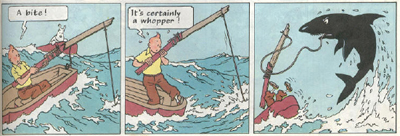
Tintin's first glimpse of a Red Sea Shark...

Continue reading

Tintin: Tintin in America (Review)

In the lead-up to the release of The Adventures of Tintin: The Secret of the Unicorn, I’m going to be taking a look at Hergé’s celebrated comic book character, from his humble beginnings through to the incomplete post-modern finale. I hope you enjoy the ride.

Tintin in America was the earliest Adventures of Tintin book I read as a child, and I owned the entire collection from this point on (for obvious reasons, Tintin in the Land of the Soviets and Tintin in the Congo were not recommended childhood reading). That said, I’ve always regarded Tintin in America as one of the weaker entries in the series, perhaps because my childhood imagination yearned for something relatively more exotic than a trip to North America, or perhaps because the saturation of American pop culture made all the elements Hergé was spoofing seem like old hat. I’m not entirely sure, but I have to admit that the story hasn’t improved too much on re-reading.

America, %&#! Yeah!

Continue reading