












One of the great things about long-running pop art, whether television shows, film franchises or comic books, is the sense in which they can serve as a reflection of shifting cultural concerns.
The Marvel Universe spans more than six decades of continuity. It is perhaps too much to call it a single story, even if comic book continuity is held together by that fiction. It is the work of countless writers and artists, working under different editorial regimes with different creative and commercial constraints. The visual language of the medium has shifted over decades, along with its target audience, not to mention its relationship with the mainstream culture.
Still, while monthly superhero comics are rarely considered high or important art, they are an interesting window into their particular cultural moment. These characters and archetypes are constantly changing and evolving, being reworked and recontextualised to fit the perpetual present. Rereading old comic books can feel like stepping inside a time machine, taking the reader back to not just a particular moment in comics continuity, but a funhouse mirror of the larger culture.

Brian Michael Bendis stewarded the Avengers titles for eight years, from 2004 to 2012. He managed the brand across multiple titles starting with Avengers Disassembled into New Avengers and Mighty Avengers, and through a host of epic status quo-altering events. Some of those events, like House of M, Secret Invasion and Siege, Bendis wrote himself. Other events, like Civil War, he simply tied into from the sidelines.
Still, that initial run of comics from Avengers Disassembled to Siege remains hugely important. Bendis restructured the Marvel Universe to place the Avengers franchise at its core, displacing the X-Men as the company’s flagship brand. Coinciding with the launch of Marvel Studios, that run is an obvious and ongoing touchstone for the Marvel Cinematic Universe, which has directly adapted segments of this run into films like Captain America: Civil War and shows like Secret Invasion.
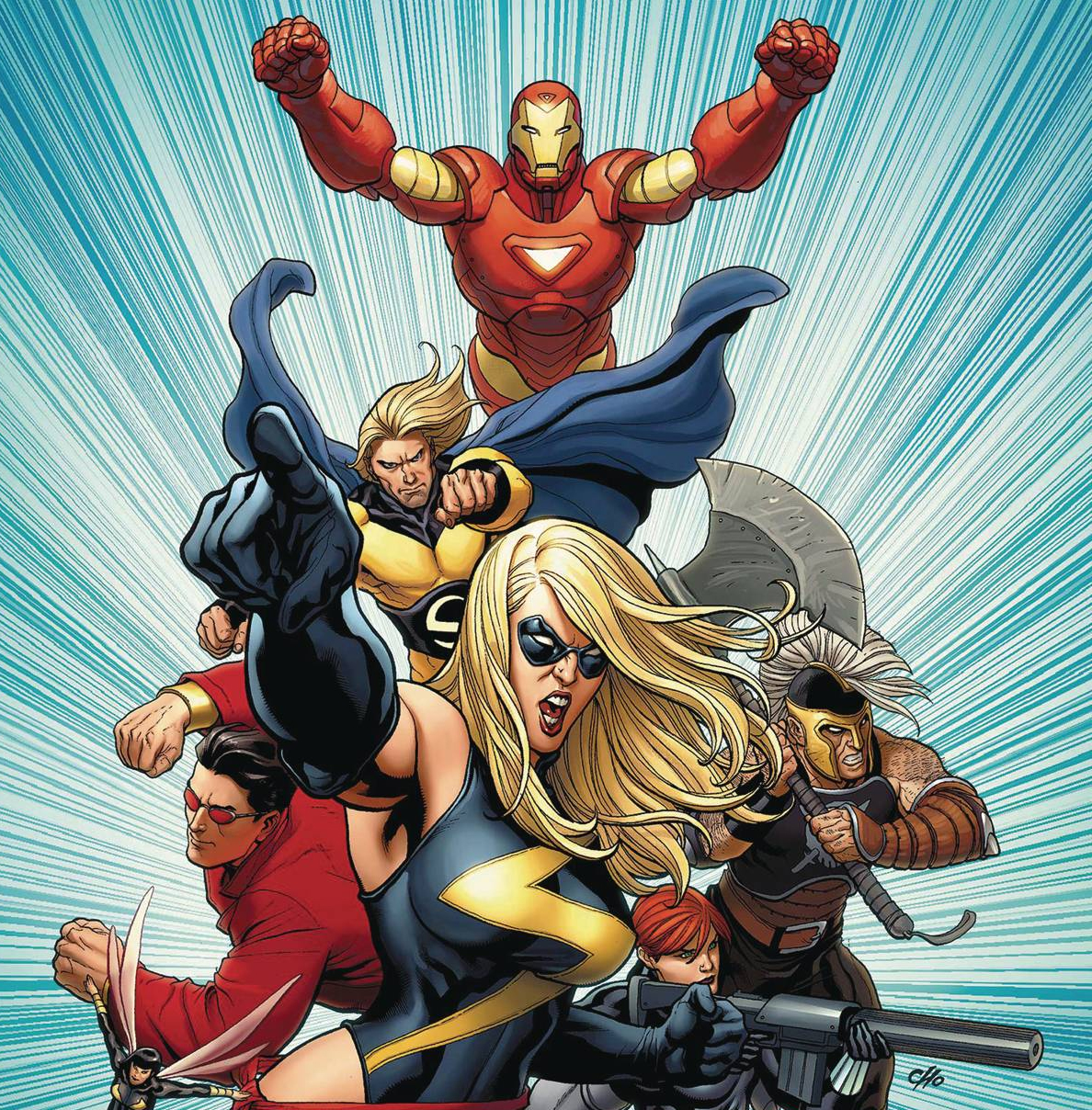
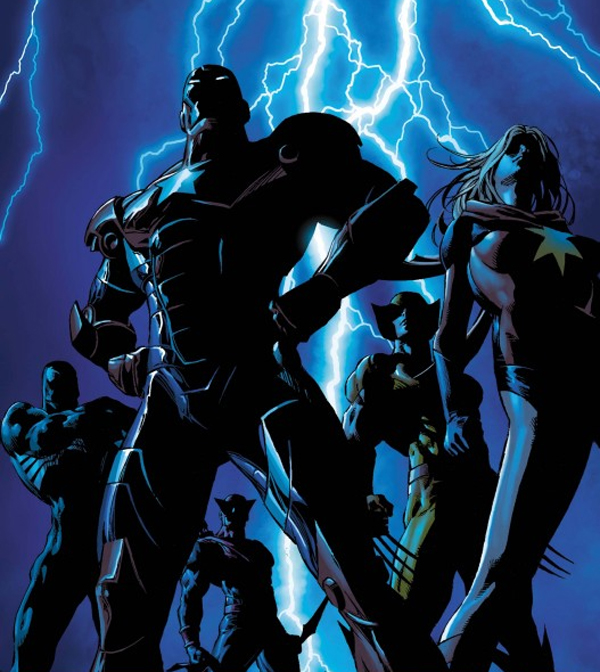
Even as the big crossover events like Avengers: Infinity War or Avengers: Secret Wars draw more heavily from the work of Bendis’ successor on the Avengers titles, Jonathan Hickman, Bendis’ Avengers remains a key influence. Thunderbolts*, for example, feels heavily indebted conceptually to Bendis’ Dark Avengers and even leans heavily on the character of Sentry, a continuity curiosity who became central to Bendis’ larger arcs.
However, even outside of its obvious cultural footprint, the remains one of the definitive explorations of the War on Terror in popular American culture, elevating the emotional and symbolic response to the 9/11 terrorist attacks into a sort of pop mythology, playing out the country’s psychodrama in costumes and capes. Bendis’ Avengers run is messy and uneven, occasionally downright clumsy in its execution. It is also a snapshot of a moment.
Filed under: Comics | Tagged: 9/11, avengers, brian michael bendis, Civil War, Comics, dark avengers, george w. bush, marvel, marvel comics, norman osborn, secret invasion, Siege, superheroes, tony stark, war on terror | 3 Comments »



 the m0vie blog