












Last night, Netflix released The Cloverfield Paradox.
The release of the film was announced in a Superbowl advertisement, promising audiences that the film would be available direct to them “after the game.” It was a striking move, particularly because so little was known about the film. It was, in many ways, an unexpected Christmas present, particularly as hyped and teased by director Ava DuVernay on Twitter. On the surface of it, this looked like a game-changing paradigm, a film released with only a few hours’ notice, directly bypassing critics and hype in a way that rendered it accessible to casual movie-goers.

Never too far a (Clover)field.
However, it also feels like a publicity coup for Netflix. The company has pulled off something truly remarkable with this release, in pulling off one of the oldest tricks in the film distribution playbook, while making it seem fresh and exciting. More than that, Netflix took a tactic that is traditionally associated with the release of bad films, and presented it as something revolutionary and democratic. Twitter commentators argued that this was the future of film releasing. Peeling back the layers on the release of The Cloverfield Paradox, it looked to be something quit different.
This was simply an old trick being cast in a new light.
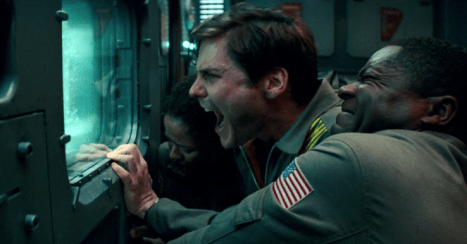
#FilmTwitter right now.
Filed under: Movies | Tagged: critics, netflix, the cloverfield paradox | Leave a comment »




 the m0vie blog