












The Netflix Marvel shows benefit greatly from a sense of place, a firm geography.
Part of this is down to the simple logistics of their production. Daredevil, Jessica Jones, Luke Cage, Iron Fist, The Defenders and The Punisher actually shoot on location in New York City, especially in Manhattan. Film and television often use other locations for filming purposes, often to capitalise on tax incentives. For its first fives seasons, The X-Files used Vancouver to double for all of the New United States. Spider-Man might be an iconic New York fixture, but Spider-Man: Homecoming was shot primarily in Atlanta to capitalise on filming incentives.
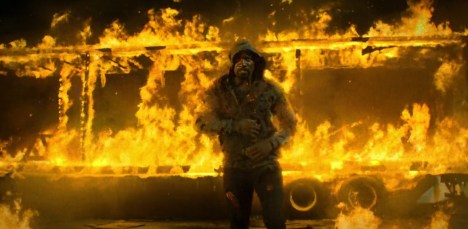
This lends the portrayal of New York an authenticity that is often lacking in other productions, a real sense of existing in a real space. After all, The Incredible Hulk filmed its climactic Harlem battle in Toronto of all places. At least You Know My Steez was able to shoot Harlem for Harlem. Of course, there have been points where this location shooting has been an issue, such as attempts to use New York to double for China in The Blessing of Many Fractures, but it mostly works. (The Jamaican scenes in The Creator work much better. In part because they were filmed there.)
More than that, each of the Marvel Netflix series unfolds in a particular version of New York City, distinct in time and space. Jessica Jones unfolds in an archetypal disconnected beautiful city version of New York, with Jessica standing atop the Brooklyn Bridge to bid farewell to the city in AKA Top Shelf Perverts. In contrast, Daredevil and The Punisher unfold in a version of the city that is perpetually stuck in the late seventies and early eighties, perhaps typified by the mood and tone of Bang. In contrast, Luke Cage is firmly anchored in the mood and the tone of Harlem.
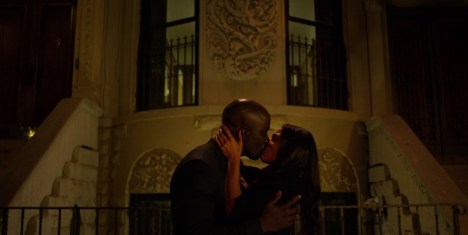
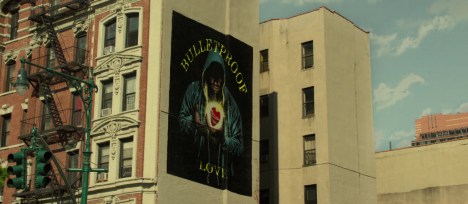
However, the second season of Luke Cage does something very interesting with its Harlem setting. The second season develops a parallel version of Harlem that seems to branch off its real-life counterpart. In keeping with the pulpy comic book aesthetic of Luke Cage, there is a consciously heightened quality to the Harlem inhabited by its central characters, defined by its own geography and its own spaces. The second season of Luke Cage suggests a version of Harlem with its own archetypal environments and settings, its own iconography and geography.
The production team infuse Luke Cage with an authentic Harlem aesthetic, but they also understand that the power of superhero stories is rooted in iconography and symbolism. The version of Harlem created in the first season of Luke Cage and developed in the second season is very much a point of intersection between the real world and the more stylised realm of comic book superheroics.
Filed under: Television | Tagged: barbershop, harlem, harlem's paradise, luke cage, pop's, saeson 2, soul brother #1 | Leave a comment »



 the m0vie blog